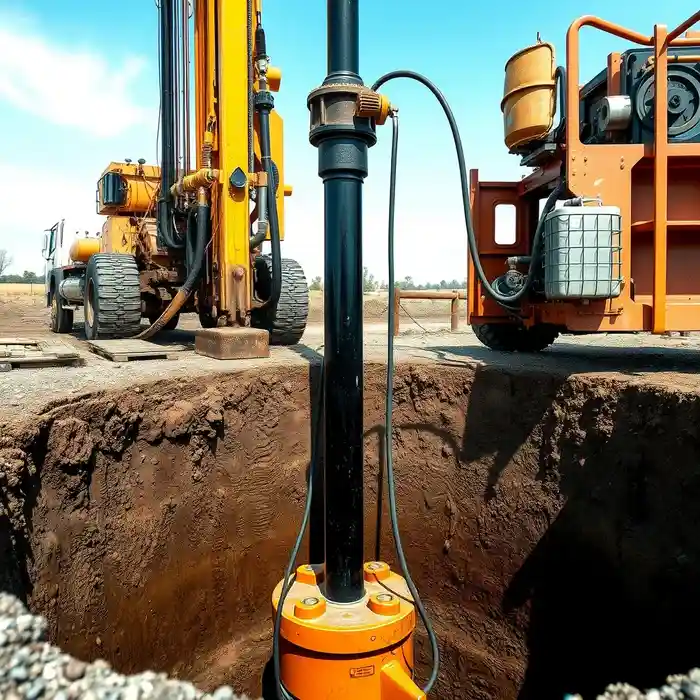
Methodology
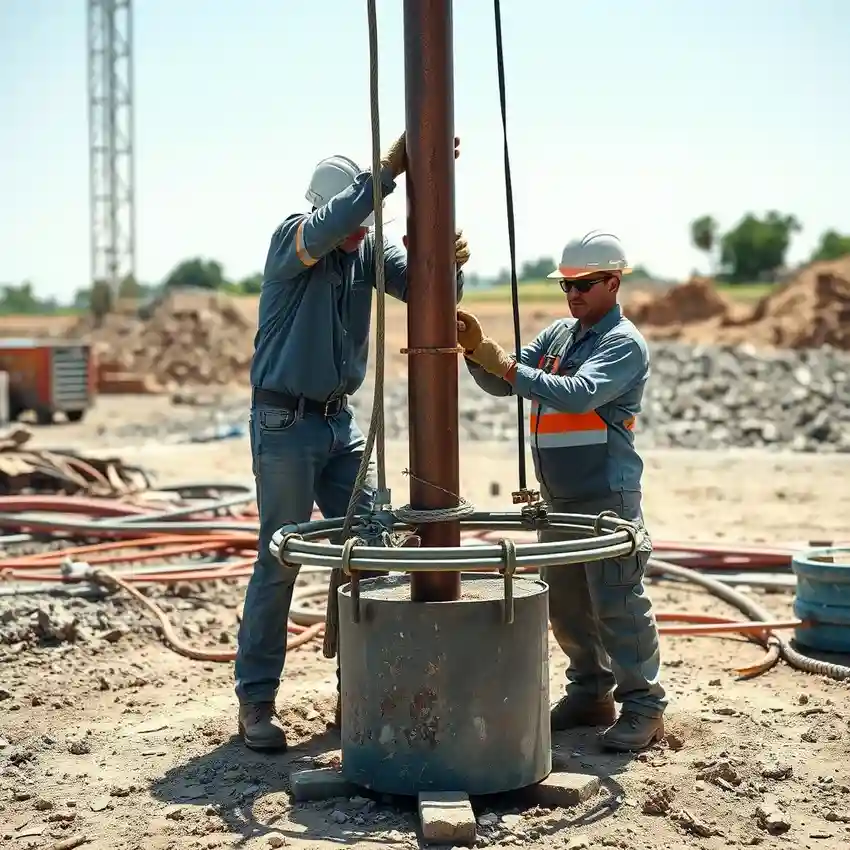
Our approach to water well drilling in Los Angeles begins with a comprehensive review of existing hydrogeologic data and basin studies to identify favorable zones within the complex alluvial fans and deeper aquifers. Site-specific planning accounts for seismic design requirements and potential anthropogenic impacts. The drilling phase utilizes techniques suited to the expected sediments, from rotary for deeper consolidated layers to dual-wall reverse circulation in coarse, water-bearing formations. Critical to success is the proper design and installation of the well casing and screen, a process detailed in our water well drilling service page, followed by systematic development to maximize yield and efficiency.
Reference Technical Parameters
| Parameter | Reference Value |
|---|---|
| Predominant Soil Type | Alluvial Sequences (Sand, Gravel, Silt, Clay) |
| Maximum Seismic Acceleration (PGA) | 0.4g - 0.6g (Site-Specific) |
| Typical Groundwater Level Depth | 50 - 500 ft below ground surface |
| Bedrock Depth (Basin Fill) | Several hundred to thousands of feet |
| Typical SPT N60 Value Range | Variable, 10 - 50+ blows/ft |
Local Considerations — Los Angeles
Los Angeles presents unique considerations for groundwater development. The region's geology is dominated by deep alluvial basins like the San Fernando and Los Angeles Coastal Plain, filled with sequences of sand, gravel, silt, and clay that create multi-layered aquifer systems. Groundwater levels vary significantly, from near-surface in coastal areas to several hundred feet deep in inland basins, heavily influenced by historical overdraft. High seismic activity mandates well design that accommodates ground shaking and liquefaction potential, especially in loose, saturated sands. There is a stark contrast between the heavily adjudicated groundwater rights in the San Fernando Basin and the more managed basins in Orange County. Typical projects range from deep, high-yield wells for municipal supplementation in the San Gabriel Valley to smaller-capacity wells for agricultural or industrial use in the outlying valleys, each requiring careful hydrogeological survey to define sustainable extraction limits.
Request a Quote
Our team reviews your project and issues an initial report at no cost.
Or write us directly at [email protected]
Services in Los Angeles
Locations covered in Los Angeles
Applicable Standards
- California Water Code
- Los Angeles County Well Standards
- Seismic Design Criteria (CBC, ASCE 7)
- Sustainable Groundwater Management Act (SGMA)
Frequently Asked Questions
How does Los Angeles basin geology affect well drilling and yield?
The layered alluvial geology creates confined and unconfined aquifers with varying water quality and yield. Successful drilling requires identifying coarse-grained, permeable layers (sands and gravels) within the sequence. Yields can range from modest (tens of gallons per minute) in finer-grained areas to very high (hundreds to over a thousand GPM) in prolific gravel zones, but accessing these often requires penetrating deep into the basin fill, impacting drilling methodology and cost.
What role does seismic activity play in well design here?
Seismic design is critical. Wells must be constructed to withstand ground shaking and potential liquefaction, which can shear casings or cause sand intrusion. This influences material selection (e.g., higher-grade steel casing), cementing procedures for annular seals, and the design of the wellhead and any surface connections. Compliance with the California Building Code and engineering best practices for seismic zones is non-negotiable for long-term integrity.
Are hydrogeological studies mandatory before drilling a well in Los Angeles?
While not universally mandated for every well, a professional hydrogeological study is strongly advised and is often required by local ordinances or water districts, especially in adjudicated basins like the San Fernando. It is legally necessary to establish water rights and determine the well's impact on the aquifer. Furthermore, such a study is essential for proper [pump installation](/pump-installation/) design, ensuring the pump is sized correctly for the well's sustainable yield and aquifer characteristics.