Methodology
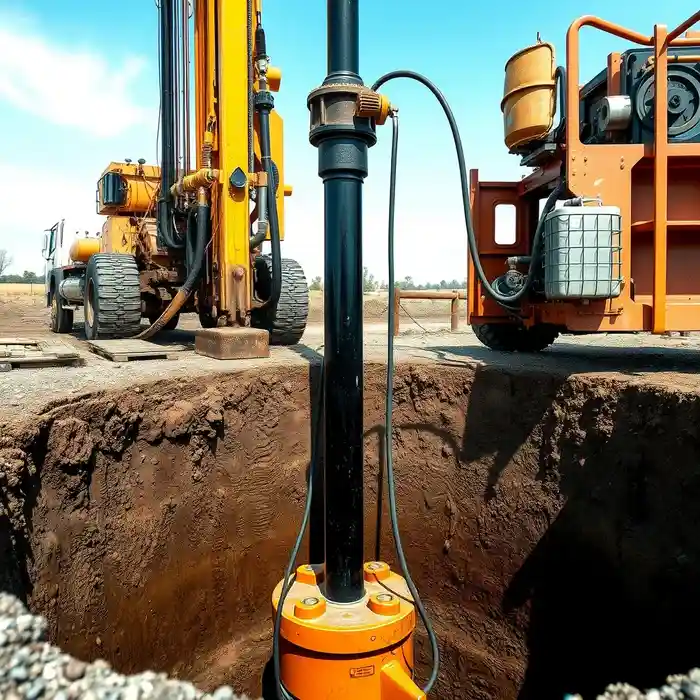
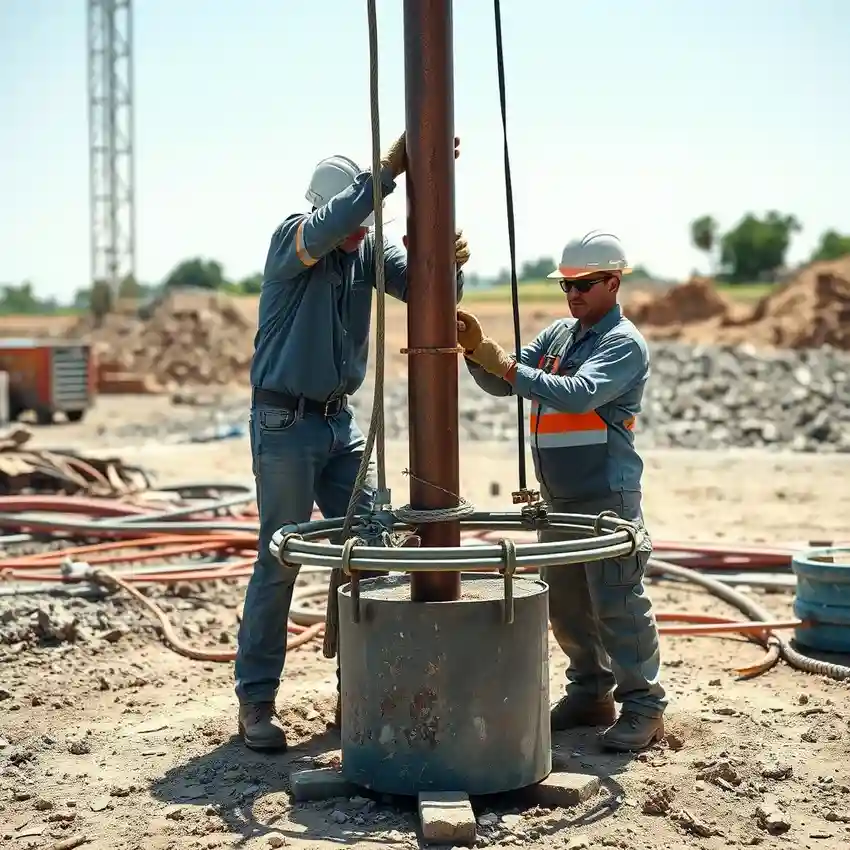
Our approach in San Francisco begins with a thorough desktop study of historical maps and geological surveys to understand the subsurface framework. This is followed by a targeted field reconnaissance to assess site-specific conditions. The core of our work involves precise water well drilling operations, where we select drilling techniques—often rotary or cable tool—based on the encountered soil and rock strata. We continuously log samples and monitor drilling parameters to accurately characterize the aquifer and inform well construction decisions, from casing selection to screen placement.
Reference Technical Parameters
| Parameter | Reference Value |
|---|---|
| Predominant Soil Type | Artificial Fill, Bay Mud, Sand, Franciscan Complex Bedrock |
| Typical Groundwater Level | Variable, 10-100 ft below surface |
| Bedrock Depth | 0-200 ft (highly variable) |
| Maximum Seismic Acceleration (PGA) | Up to 0.6g or greater per site-specific analysis |
| Typical SPT N60 Range | Wide range, from <5 in soft clays to refusal in bedrock |
Local Considerations — San Francisco
San Francisco's unique geology demands a highly customized approach to water well drilling. The widespread presence of artificial fill over soft Bay Mud requires careful casing and sealing to prevent well collapse and aquifer contamination. Seismic activity is a primary design factor, influencing everything from well casing strength to pump house foundations. The stark contrast between western neighborhoods with deeper aquifers and eastern/hill areas with shallow bedrock directly dictates drilling method and cost. A comprehensive hydrogeological survey is not just recommended but often critical for project feasibility. For major regional projects, our team often coordinates with our water well drilling experts in Los Angeles to leverage broader basin experience.
Request a Quote
Our team reviews your project and issues an initial report at no cost.
Or write us directly at [email protected]
Services in San Francisco
Applicable Standards
- California Water Code
- San Francisco Building Code (SFBC)
- Seismic Design Criteria (ASCE 7)
- Local Groundwater Management Ordinances
Frequently Asked Questions
What are the main soil challenges for drilling a water well in San Francisco?
The primary challenges include drilling through heterogeneous artificial fill, penetrating unstable soft Bay Mud (a marine clay), and encountering the highly variable and often fractured Franciscan Complex bedrock. Each layer requires specific drilling techniques and well construction methods to ensure stability, prevent seepage, and achieve a successful water yield.
How does seismic code affect well design and construction here?
The San Francisco Building Code mandates high seismic design forces. This translates to requirements for stronger, more ductile well casing materials, robust wellhead completions anchored to stable strata, and seismic-rated pump installation designs. All components must be engineered to withstand ground shaking and potential liquefaction in susceptible areas.
Is a hydrogeological study mandatory before drilling a well in the city?
While not universally mandated for all properties, a professional hydrogeological study is strongly advised and is often required by the San Francisco Department of Building Inspection or Planning Department for permitting, especially in areas with known contamination, complex geology, or for commercial/industrial extraction. It is critical for assessing water rights, sustainable yield, and avoiding legal complications.