Methodology
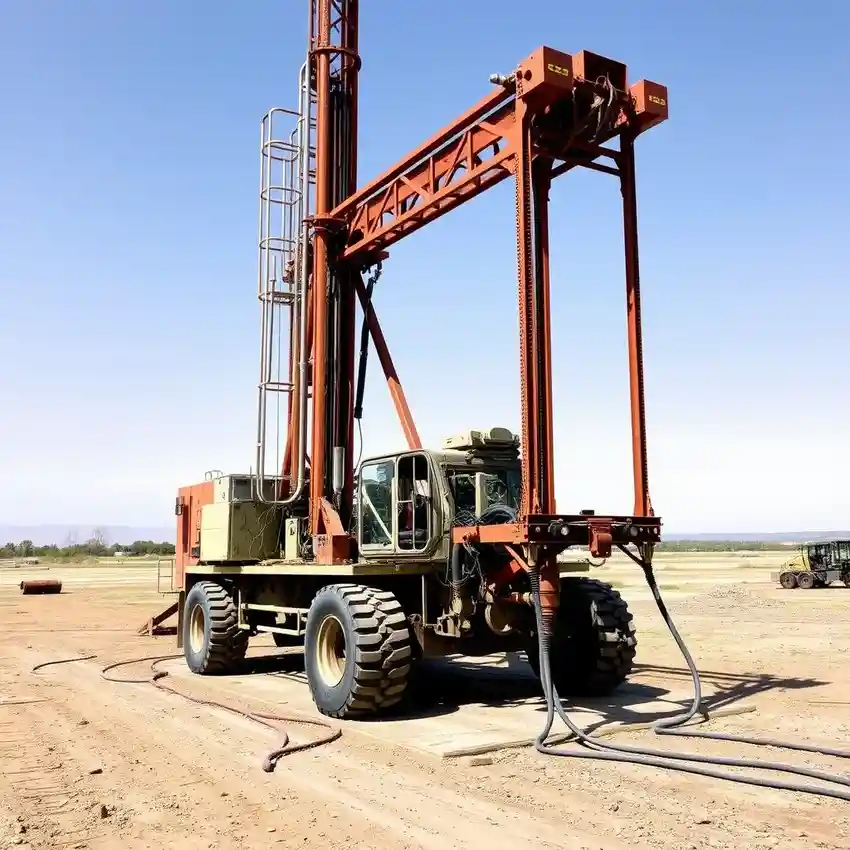
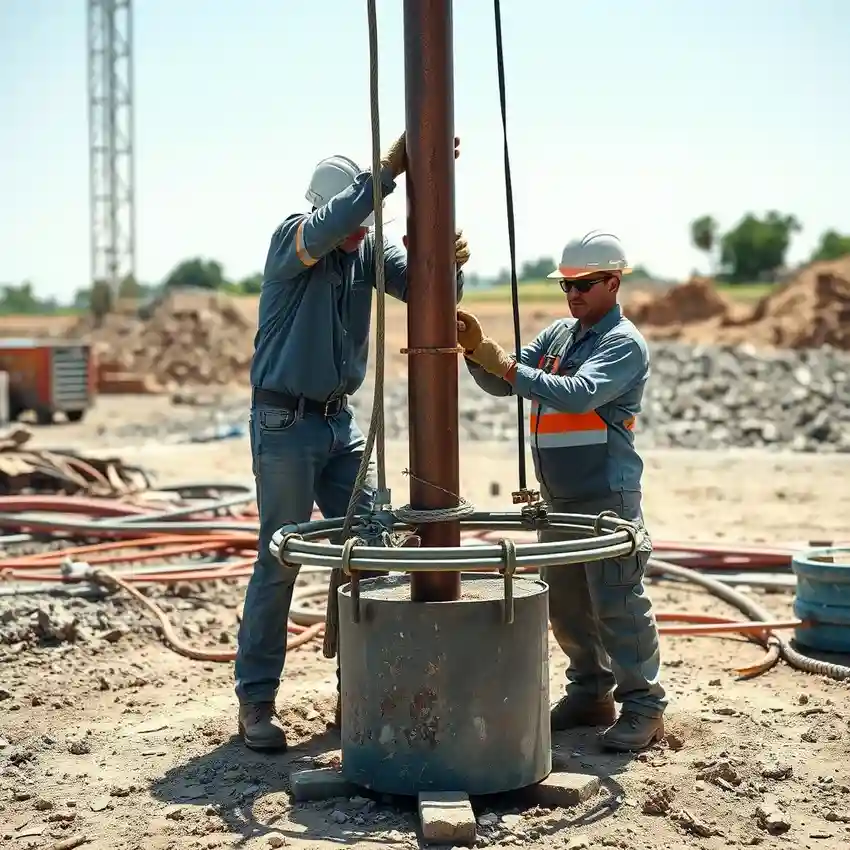
Our approach in Houston begins with a thorough site evaluation to understand the local subsurface conditions, which is a critical first step for any successful water well drilling project. We assess soil strata, potential aquifer yields, and regulatory constraints specific to the relevant groundwater conservation district. This foundational knowledge guides the selection of appropriate drilling techniques, whether for shallow, high-yield sands or deeper, more confined formations, ensuring the well is constructed for optimal performance and longevity within the local context.
Reference Technical Parameters
| Parameter | Reference Value |
|---|---|
| Predominant Soil Type | Unconsolidated Sands, Clays, and Gravels |
| Typical Groundwater Level | 10 - 100 ft below surface |
| Bedrock Depth | 1,000 - 10,000+ ft (Yegua Formation & deeper) |
| Maximum Seismic Acceleration (PGA) | Low (≤ 0.1g) |
| Typical SPT N60 Value Range | 5 - 30 (highly variable with depth and layer) |
Local Considerations — Houston
Houston's geology presents distinct considerations for water well development. The area is underlain by unconsolidated sands, clays, and gravels of the Gulf Coast Aquifer system, with water tables highly responsive to rainfall and pumping. Seismic activity is minimal, but soil stability, particularly in expansive clays, is a primary concern for well casing integrity. Water quality can vary significantly, with higher salinity risks closer to the coast, necessitating careful depth selection. In suburban areas like The Woodlands, well design must account for dense clay layers, while in more rural zones to the west, accessing the deeper, prolific Jasper Aquifer may be the goal, often following a detailed hydrogeological survey. A common challenge is managing sand production in high-yield wells, which requires precise screen design and development techniques.
Request a Quote
Our team reviews your project and issues an initial report at no cost.
Or write us directly at [email protected]
Services in Houston
Locations covered in Houston
Applicable Standards
- Texas Administrative Code (TAC) Title 30, Chapter 290
- TAC Title 30, Chapter 331 (Groundwater Conservation District Rules)
- Texas Water Code Chapter 36
- Local GCD Permits (e.g., Harris-Galveston Subsidence District)
Frequently Asked Questions
What are the main soil and aquifer challenges for drilling a water well in Houston?
The primary challenges involve the unconsolidated nature of the Gulf Coast Aquifer sediments. These layers can include loose sands prone to collapse during drilling, expansive clays that can stress well casings, and discontinuous clay lenses that create confined aquifers. A professional assessment is crucial to identify stable zones for screen placement and to mitigate issues like sand infiltration or casing failure.
What local regulations govern water well drilling in Houston?
Drilling is regulated by state law and local Groundwater Conservation Districts (GCDs). In the Houston area, the Harris-Galveston Subsidence District often has jurisdiction, requiring permits for new wells, imposing spacing requirements, and sometimes limiting withdrawal rates to combat land subsidence. Compliance with Texas well construction standards (TAC Chapter 331) for sealing and materials is mandatory.
Is a professional site survey always required before drilling a well in Houston?
While not always legally mandated for exempt domestic wells, a professional evaluation is highly recommended. Given the spatial variability of aquifer yield and water quality—such as increasing salinity with depth in certain areas—a proper survey identifies the optimal drilling location and depth. This maximizes the likelihood of a productive, durable well and avoids costly mistakes, making it a standard best practice.