Methodology
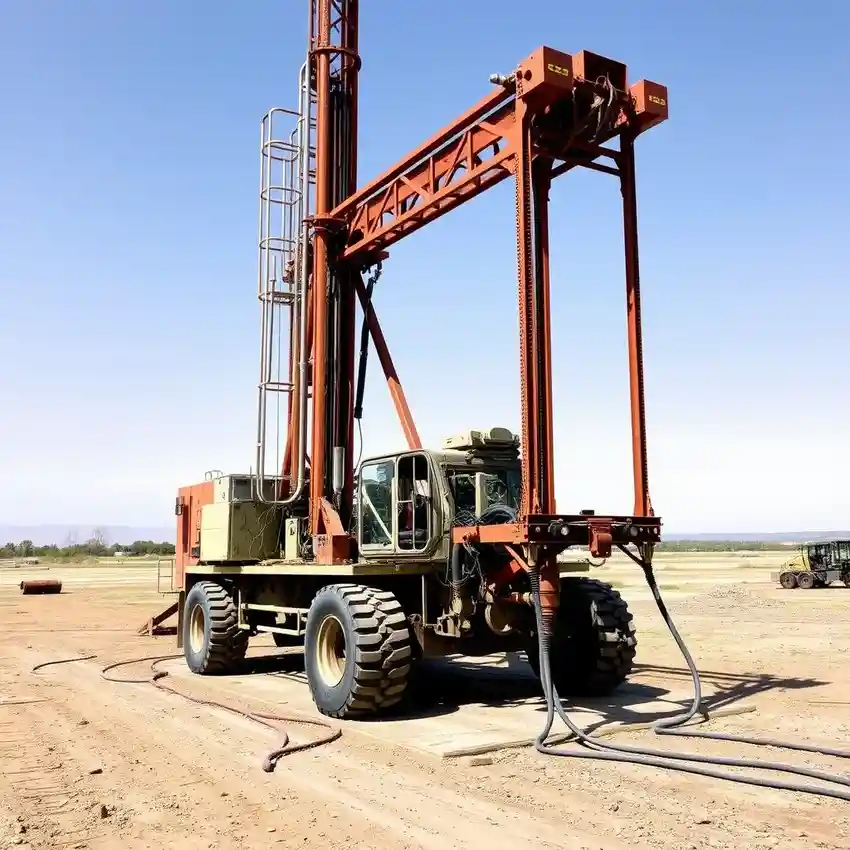
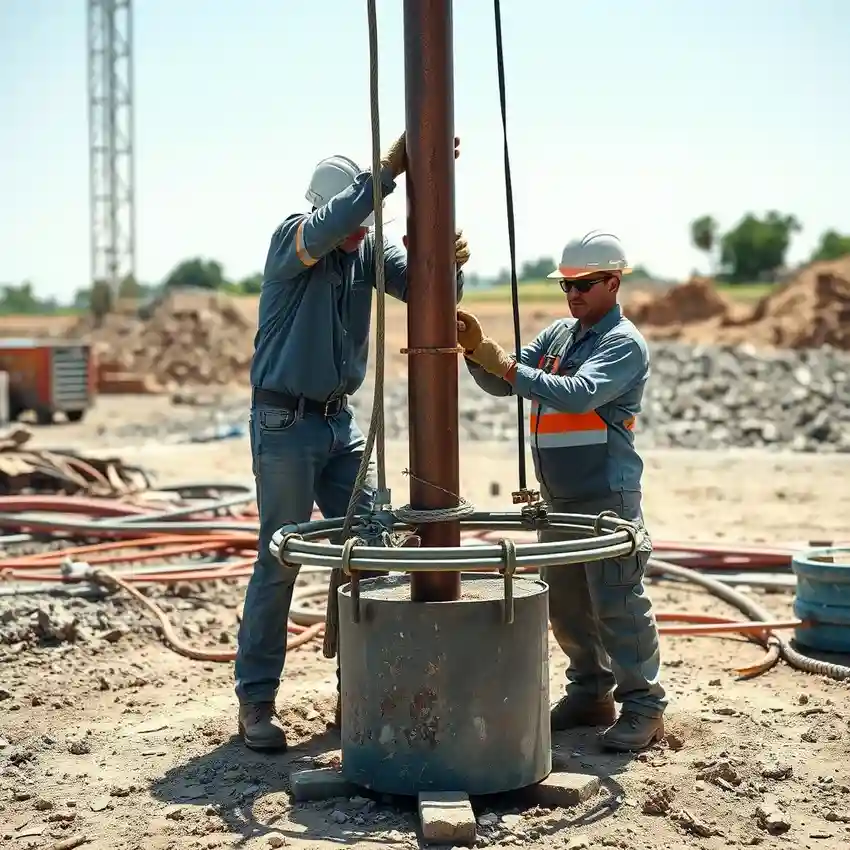
Our approach in Frisco begins with a comprehensive evaluation of local hydrogeological data and historical well logs. We assess the viability of the Trinity and Woodbine aquifers, considering factors like depth to water and seasonal fluctuations. The precise water well drilling process is then planned, selecting appropriate techniques for the anticipated soil and rock layers, from the unconsolidated materials of the Blackland Prairie to the more consolidated formations beneath. We prioritize methods that ensure well integrity, optimal yield, and compliance with all state and local regulations for a successful, long-lasting water source.
Reference Technical Parameters
| Parameter | Reference Value |
|---|---|
| Predominant Soil Type | Clay and Clay Loam (Blackland Prairie) |
| Typical Bedrock Depth | Variable, 50 - 200 ft below surface |
| Maximum Seismic Acceleration (PGA) | Low seismic hazard region |
| Typical Groundwater Level (Trinity Aquifer) | Seasonally variable, 100 - 400 ft depth |
| Typical Standard Penetration Test (SPT) N60 Value | Variable, dependent on soil moisture and clay content |
Local Considerations — Frisco Texas
1. The subsurface in Frisco is characterized by layers of clay, shale, and sandstone, with the depth to the Trinity Aquifer varying significantly. 2. Groundwater levels are influenced by seasonal precipitation and regional withdrawal rates, requiring careful assessment during a hydrogeological survey. 3. While seismic activity is low, proper well construction is essential for long-term stability. 4. Contrasts exist between newer developments on previously undeveloped land and older properties where well conditions may be unknown. 5. A common scenario involves properties beyond municipal water lines seeking a primary or supplemental groundwater source, necessitating thorough site evaluation. For major regional projects, our team also provides comprehensive water well drilling services from our Houston hub.
Request a Quote
Our team reviews your project and issues an initial report at no cost.
Or write us directly at [email protected]
Services in Frisco Texas
Applicable Standards
- Texas Administrative Code (TAC) Title 30, Chapter 290
- Texas Water Development Board (TWDB) Guidelines
- Local Collin & Denton County Regulations
- Texas Commission on Environmental Quality (TCEQ) Standards
Frequently Asked Questions
What are the main soil and geological challenges for water well drilling in Frisco?
The primary challenge is the presence of expansive clays and shale layers typical of the Blackland Prairie. These materials can complicate drilling and require specific techniques to prevent borehole collapse and ensure proper well casing installation. Understanding the stratigraphy is crucial to successfully penetrate into the water-bearing sands and sandstones of the target aquifers.
Are there specific seismic design considerations for wells in Frisco, Texas?
Frisco is located in a region of low seismic activity. Therefore, specific seismic design for individual residential water wells is not typically mandated by local building codes. However, all well construction follows strict standards for structural integrity to ensure long-term reliability and safety under normal environmental stresses.
Is a hydrogeological study always required before drilling a water well in Frisco?
While not always legally mandated for every single-family residential well, a professional hydrogeological study is highly recommended. It assesses the aquifer's yield, water quality potential, and optimal drilling location, which is critical for investment protection. For commercial, agricultural, or municipal wells, such studies are typically essential for permitting and design.