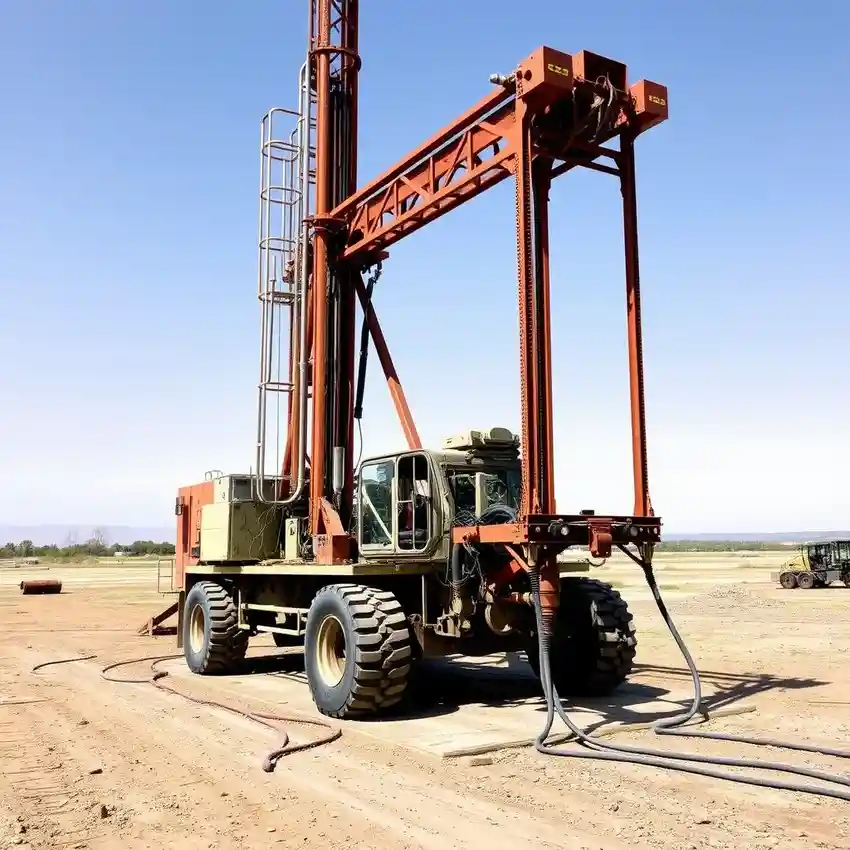
Methodology
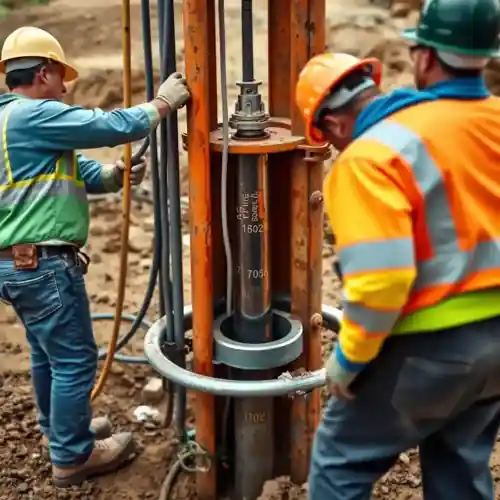
Our approach in Seattle begins with a comprehensive site assessment to understand the overburden and depth to bedrock, which is critical for determining the appropriate water well drilling technique. We prioritize methods that ensure well integrity against potential liquefaction in seismic events, selecting casing and screen materials suited to the local soil chemistry and corrosion potential. The entire process is designed to optimize well yield and longevity while adhering to all local permitting requirements.
Reference Technical Parameters
| Parameter | Reference Value |
|---|---|
| Predominant Soil Type | Glacial Till (Vashon Stade) |
| Maximum Seismic Acceleration (PGA) | 0.4 - 0.6g (Site Class D) |
| Typical Groundwater Level | 5 - 25 ft below surface |
| Bedrock Depth (King County) | 50 - 300 ft (highly variable) |
| Typical SPT N60 Range | 15 - 50 blows/ft in till |
Local Considerations — Seattle
Seattle's geology is defined by a sequence of glacial till, outwash sands, and lacustrine deposits overlying bedrock, which can vary dramatically in depth. The water table is generally shallow but fluctuates seasonally. High seismic activity necessitates well design that accounts for ground motion and potential liquefaction, especially in areas with loose, saturated sands. Neighborhoods like the Duwamish Valley, with its deeper alluvial deposits, present different challenges and opportunities compared to the shallower bedrock of Capitol Hill. A thorough hydrogeological survey is essential to identify these variables and mitigate risks such as well collapse or sand pumping, ensuring a sustainable water supply.
Request a Quote
Our team reviews your project and issues an initial report at no cost.
Or write us directly at [email protected]
Services in Seattle
Locations covered in Seattle
Applicable Standards
- Washington Administrative Code (WAC) 173-160
- Seattle Building Code (Based on IBC with seismic provisions)
- King County Surface Water Design Manual
Frequently Asked Questions
How does Seattle's glacial geology impact well drilling?
The layered sequence of hard glacial till, permeable outwash sands, and soft lacustrine clays directly influences drilling speed, tool selection, and well design. Encountering large glacial erratics (boulders) is common, requiring adaptable drilling methods. The variability also affects aquifer yield, as water is often found in sandy layers between less permeable till.
Are there specific seismic regulations for wells in Seattle?
Yes. While the Seattle Building Code focuses on structures, well construction must consider seismic resilience. This involves proper grouting and casing to prevent well failure during ground shaking, especially in areas with high liquefaction potential. Designs must account for the seismic coefficients and site class defined in the local code.
Is a hydrogeological study mandatory before drilling a well in Seattle?
While not always mandated by code for single-family residential wells, a professional hydrogeological survey is strongly recommended and often required by lending institutions. It is critical for determining aquifer suitability, estimating sustainable yield, identifying potential contaminants, and ensuring the well's design is appropriate for the specific site conditions, which is vital for long-term reliability.