Methodology
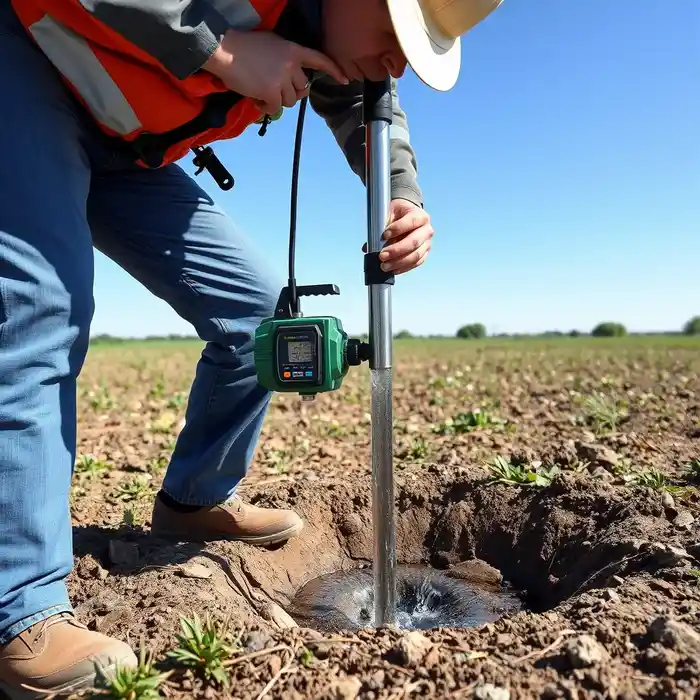
Our approach in Boise begins with a thorough site assessment to understand the specific subsurface conditions. We integrate regional geological data with on-site evaluation to determine the optimal drilling strategy. The actual water well drilling process is then executed with precision, selecting techniques suited to the encountered sediments and gravels. We meticulously log all formations, install appropriate casing and screen, and develop the well to ensure maximum efficiency and sand-free water. A conclusive pump test quantifies the sustainable yield and defines the well's performance characteristics for the long term.
Reference Technical Parameters
| Parameter | Reference Value |
|---|---|
| Predominant Soil Type | Stratified sands, gravels, and cobbles with silt lenses |
| Typical Bedrock Depth | 200 - 500+ feet (variable across valley) |
| Typical Groundwater Level | 20 - 120 feet below ground surface |
| Maximum Seismic Acceleration (PGA) | 0.2 - 0.4g (Site-Specific) |
| Typical SPT N60 Value Range | 15 - 50+ blows/ft (highly variable with depth) |
Local Considerations — Boise
1. **Geology & Aquifers**: The primary source is the unconsolidated, high-yield sediments of the Boise River aquifer. Understanding its heterogeneity is key to well placement and design. 2. **Water Table Depth**: Highly variable, from near-surface in river-adjacent areas to over 100 feet deep in elevated terraces, necessitating precise hydrogeological survey for accurate targeting. 3. **Seismic Context**: Located in a region of moderate seismic risk, well design and construction must consider potential liquefaction in saturated sandy zones. 4. **Neighborhood Contrast**: Requirements differ significantly between expansive rural properties in the foothills and denser urban infill lots. 5. **Typical Challenges**: Includes managing cobble layers during drilling and ensuring proper wellhead protection in areas with historical agricultural activity. For complex projects in major metropolitan hubs, learn about our approach to water well drilling services from our Seattle hub.
Request a Quote
Our team reviews your project and issues an initial report at no cost.
Or write us directly at [email protected]
Services in Boise
Applicable Standards
- Idaho Department of Water Resources (IDWR) Rules
- Local County Well Construction Standards
- Idaho State Plumbing Code
Frequently Asked Questions
How does Boise's soil composition affect well drilling?
The stratified layers of sand, gravel, and cobbles can present challenges, including hole stability and screen selection. Cobble layers require robust drilling equipment and techniques. A proper understanding of this stratification is essential for designing an efficient well that produces sand-free water and has a long service life.
Are there specific seismic design considerations for wells in Boise?
Yes. While not in the highest seismic zone, the potential for ground shaking requires consideration. Well construction standards address proper casing and grouting to maintain integrity. In areas with loose, saturated sands, evaluation of liquefaction potential may be recommended as part of the siting process.
Is a hydrogeological study mandatory before drilling a well in Ada County?
While not always mandated for single-family domestic wells, a professional hydrogeological study is highly recommended and is often required for commercial, municipal, or irrigation wells. It is a critical step for identifying the best aquifer zone, estimating yield, and ensuring the well design complies with all IDWR regulations and protects the aquifer.