Methodology
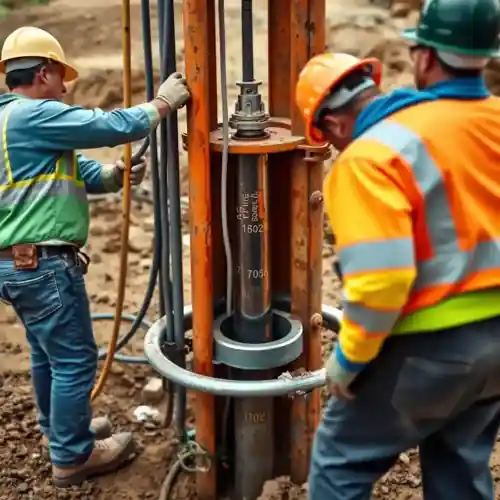
Our methodology begins with a hydrogeological survey to assess local geology, aquifer depth and thickness, and recharge potential. Once the optimal location is determined, we proceed with water well drilling using rotary or percussion techniques based on subsurface conditions. During drilling, key parameters are logged, and soil and water samples are collected. The well is then properly cased and developed through surge pumping to maximize its specific capacity. We conclude with a standardized pump test to characterize the aquifer and determine the sustainable yield, ensuring every project meets our exacting standards.
Reference Technical Parameters
| Parameter | Reference Value |
|---|---|
| Expected Yield (GPM) | 5 - 600 GPM |
| Total Well Depth (ft) | 100 - 1000 ft |
| Static Water Level (ft below surface) | 20 - 300 ft |
| Casing Diameter (inches) | 6" - 16" |
| Aquifer Transmissivity (ft²/day) | 500 - 50,000 ft²/day |
Local Considerations — USA
In the United States, hydrogeological considerations vary dramatically. The unconsolidated glacial till and alluvial valleys of the Midwest present different challenges than the fractured bedrock aquifers of the Northeast or the complex coastal aquifers susceptible to saltwater intrusion. Seismic activity along the Pacific Ring of Fire, particularly in the West, requires specific well design considerations for casing integrity. Understanding the local soil composition, from the sandy soils of coastal plains to the dense clays of central regions, is fundamental to our drilling strategy and pump installation planning.
Request a Quote
Our team reviews your project and issues an initial report at no cost.
Or write us directly at [email protected]
Applicable Standards
- Safe Drinking Water Act (SDWA)
- State Well Construction Codes (e.g., NJAC 7:9D)
- Uniform Plumbing Code (UPC) Section 610
- EPA Underground Injection Control (UIC) Regulations
Frequently Asked Questions
What factors determine the optimal location for a water well?
The optimal location is determined through a professional hydrogeological survey evaluating local geology, aquifer depth and yield potential, recharge zones, expected water quality, and surrounding land use to avoid contamination sources. Drilling based solely on anecdotal methods is not recommended and can lead to dry wells or poor water quality.
What is the typical lifespan of a professionally drilled well?
A properly designed, constructed, and maintained well can have a lifespan exceeding 25 years. Key factors include correct casing and screen selection, proper well development, a sustainable pumping regime, and a periodic well maintenance and rehabilitation program to mitigate incrustation and biofouling.
How is the quality of the extracted water guaranteed?
Water quality is verified through comprehensive physical, chemical, and bacteriological analysis performed in an accredited laboratory, following EPA standards. Proper well design, including the depth of the intake and a sanitary seal, is crucial to isolate the target aquifer water from contaminated surface water or other strata.