Methodology
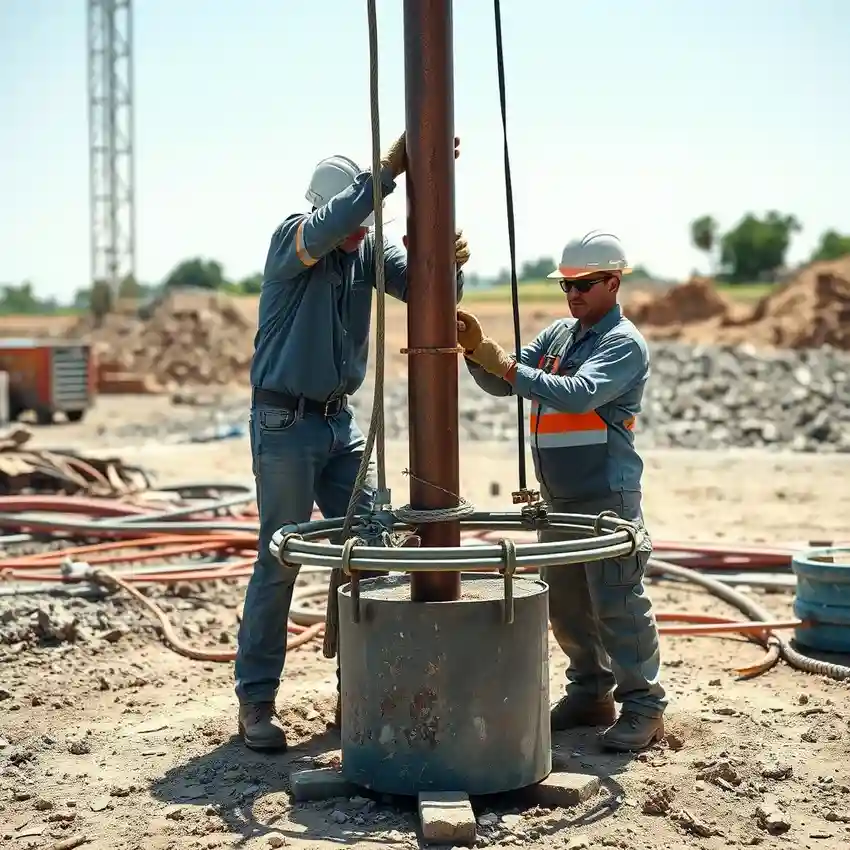
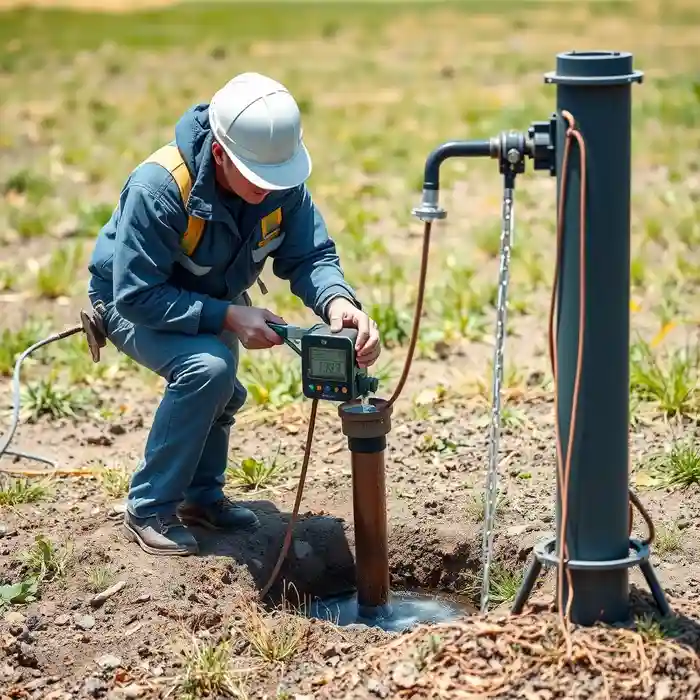
Our approach to water well drilling in Philadelphia begins with a thorough review of existing hydrogeological data and local well logs to understand subsurface conditions. We then employ rotary or percussion drilling methods, selected based on the anticipated bedrock type and overburden thickness. Critical to this process is the hydrogeological survey that informs the design, ensuring the well is constructed to optimize yield while protecting aquifer integrity. The methodology is adapted for the region's variable geology, from the hard crystalline rock of the Piedmont to the unconsolidated sediments of the Coastal Plain.
Reference Technical Parameters
| Parameter | Reference Value |
|---|---|
| Predominant Bedrock Type | Wissahickon Schist, Stockton Formation |
| Typical Overburden Thickness | 5 - 50 ft |
| Typical Groundwater Level | 10 - 100 ft (bgs) |
| Typical Well Depth (Bedrock) | 100 - 400 ft |
| Seismic Design Category | Low to Moderate |
Local Considerations — Philadelphia
Philadelphia's geology presents specific challenges for water well drilling. The Wissahickon Schist in areas like Chestnut Hill and Mount Airy requires robust, hard-rock drilling equipment, while the unconsolidated sands and clays of the Coastal Plain in South Philadelphia necessitate careful well design to prevent collapse. Groundwater levels are generally shallower in valleys near the Schuylkill and Delaware Rivers. Seismic activity, though low, is considered in design per relevant codes. A common project involves drilling through variable overburden to reach a fractured bedrock aquifer, a scenario where professional well maintenance is crucial for long-term performance. Regulations are stringent, with PA DEP permitting and local health department approvals required before drilling commences.
Request a Quote
Our team reviews your project and issues an initial report at no cost.
Or write us directly at [email protected]
Services in Philadelphia
Locations covered in Philadelphia
Applicable Standards
- Pennsylvania Code Title 25, Chapter 109 (Water Well Drillers License)
- PA DEP Water Well Construction Standards
- Local Municipal Plumbing Codes
Frequently Asked Questions
What are the most common soil and rock types encountered during water well drilling in Philadelphia?
The city spans two primary geological provinces. West and Northwest Philadelphia feature the Wissahickon Schist, a hard, crystalline metamorphic rock. East and South Philadelphia are underlain by the unconsolidated sands, clays, and gravels of the Atlantic Coastal Plain. The interface can be complex, requiring drilling contractors to be proficient in techniques for both hard rock and unconsolidated formations.
What regulations govern water well drilling in Philadelphia?
Drilling is regulated primarily by the Pennsylvania Department of Environmental Protection (PA DEP). A licensed water well driller must obtain a permit, and construction must follow PA DEP standards for sealing, casing, and reporting. Additionally, connection to a home's plumbing and water quality testing often require approval from the Philadelphia Department of Public Health.
Is a hydrogeological study always required before drilling a well in Philadelphia?
While not always legally mandated for a single residential well, a professional hydrogeological survey is highly recommended. Given the variability in bedrock fracture yields and overburden conditions, a study significantly increases the likelihood of siting a productive, compliant well and is often required for commercial projects or in areas with known water quality concerns.