Methodology
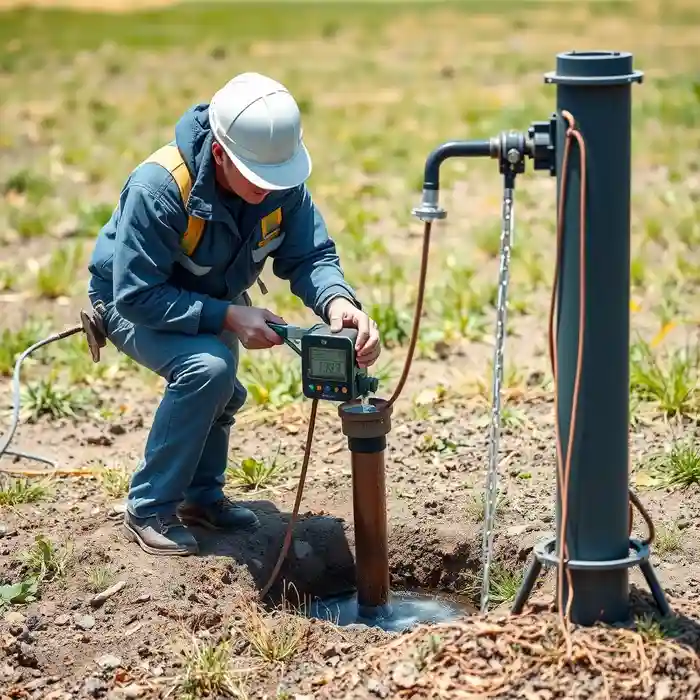
Our approach in Cary begins with a thorough site assessment to understand the local geology, which directly informs our water well drilling strategy. We evaluate historical well logs from the area and surface geology to identify the most promising zones for fracture flow in the bedrock. The drilling process is then carefully managed, adapting techniques to the encountered materials—from unconsolidated overburden to hard granite—to construct a efficient and durable well.
Reference Technical Parameters
| Parameter | Reference Value |
|---|---|
| Predominant Rock Type | Crystalline Bedrock (Granite/Gneiss) |
| Typical Productive Fracture Depth | 100 - 400 ft |
| Overburden (Saprolite) Thickness | 20 - 100 ft |
| Typical Domestic Well Yield | 5 - 20 gallons per minute (GPM) |
Local Considerations — Cary North Carolina
1. **Geology & Aquifer**: Cary's aquifer is primarily within fractured crystalline rock (granite, gneiss). Yields are highly dependent on intersecting productive fractures, making location and depth critical. 2. **Typical Well Depth**: Successful domestic wells typically range from 200 to 500 feet deep. 3. **Water Quality**: Iron and manganese are common constituents in groundwater here, often requiring treatment post-extraction. 4. **Regulatory Context**: All wells must be constructed and permitted according to North Carolina Well Construction Standards, with specific grouting and casing requirements to protect aquifers. 5. **Seasonal Variation**: While less volatile than coastal aquifers, static water levels in the Piedmont can exhibit seasonal fluctuations, a key factor in pump installation design and sustainable yield determination. For broader regional insights, review our experience with water well drilling services from our Philadelphia hub.
Request a Quote
Our team reviews your project and issues an initial report at no cost.
Or write us directly at [email protected]
Services in Cary North Carolina
Applicable Standards
- North Carolina Well Construction Standards (15A NCAC 02C .0100)
- Cary Water Resources Management Ordinances
Frequently Asked Questions
What is the most common challenge for water wells in Cary, NC?
The primary challenge is the heterogeneous nature of the fractured bedrock aquifer. Well yield is not guaranteed by depth alone but by successfully intersecting a network of water-bearing fractures. This variability underscores the importance of proper siting and experienced drilling techniques tailored to local geology.
Are there specific regulations for well placement in Cary?
Yes. Cary and the State of North Carolina enforce strict setback requirements from property lines, septic systems, and potential contamination sources. A permit from the local health department or environmental department is required before drilling begins. All construction must meet state standards for casing, grouting, and wellhead protection.
Is a water quality test required after drilling a new well?
While not always mandated for permit closure, comprehensive water quality testing is strongly recommended and is a standard part of our professional practice. Testing for bacteria, nitrates, pH, and mineral content (like iron and manganese) is crucial to ensure the water is safe for use and to inform any necessary treatment system design.