Methodology
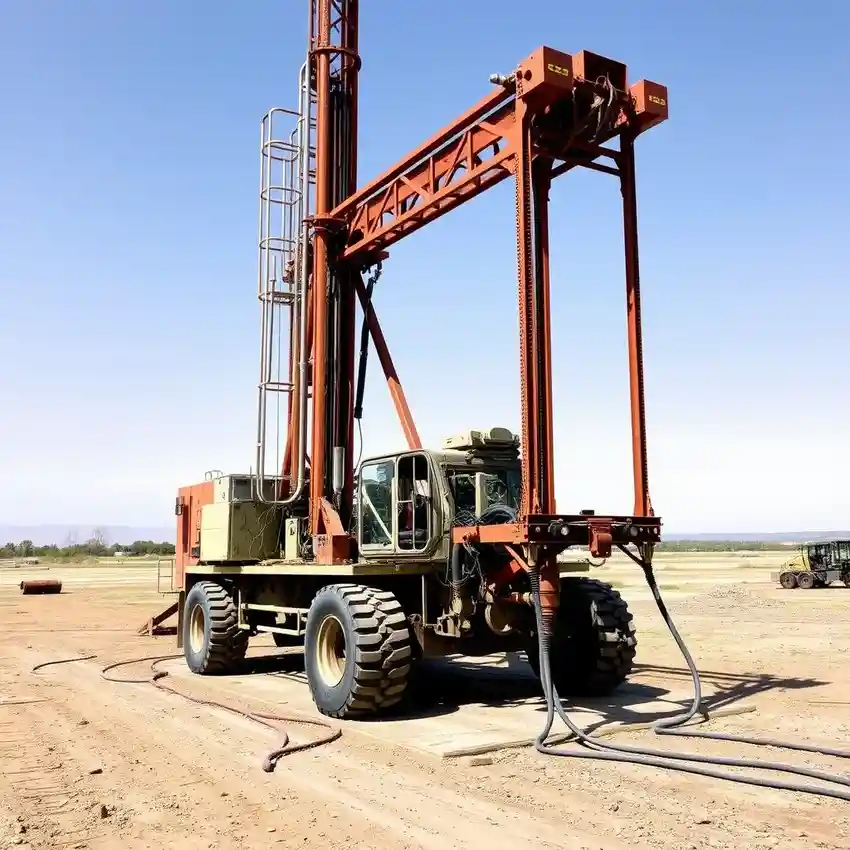
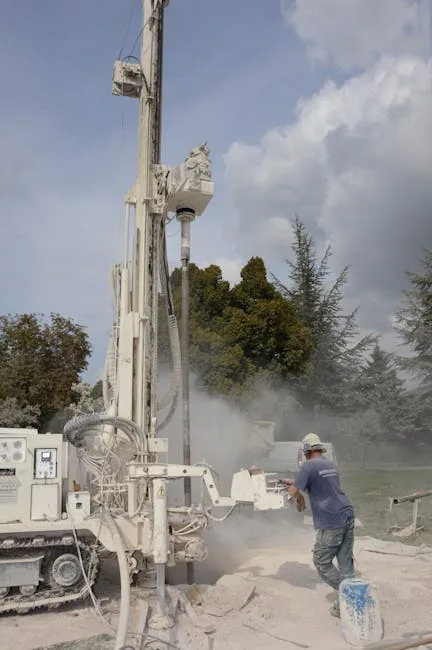
Our drilling methodology is a systematic, engineered process beginning with a comprehensive site evaluation. We adhere to stringent national standards, including the ANSI/AWWA A100 standard for water well construction and NGWA guidelines. Utilizing advanced rotary or percussion drilling rigs capable of reaching depths exceeding 800 feet, we proceed based on the specific subsurface geology. The well is then properly cased and grouted to prevent contamination, followed by a rigorous development process to maximize yield. A standardized pump test, often following ASTM D5092 protocols, is conducted to accurately determine the well's sustainable capacity and aquifer characteristics, which is critical for subsequent Pump Installation.
Reference Technical Parameters
| Parameter | Reference Value |
|---|---|
| Typical Well Depth | 100 - 800+ ft |
| Expected Yield (GPM) | 10 - 300+ GPM |
| Standard Casing Diameter | 6" - 16" |
| Static Water Level | 20 - 400 ft below surface |
| Average Construction Timeline | 5 - 14 days |
Local Considerations — USA
Water well drilling requirements vary dramatically across the United States. In the coastal plains of the Southeast, such as in Atlanta or Jacksonville, drilling often targets shallow, high-yield sand aquifers, while in the fractured bedrock of the Northeast, as encountered in Boston or Hartford, different techniques are required. The arid Southwest, including cities like Phoenix and Albuquerque, demands precise targeting of deep, often declining aquifers, with careful consideration for mineral content. In seismically active regions like California, from Los Angeles to San Francisco, well design must account for ground stability. Our teams in Akron, Anchorage, and Arlington exemplify our ability to adapt techniques to local hydrogeology, soil composition, and state-specific regulations.
Request a Quote
Our team reviews your project and issues an initial report at no cost.
Or write us directly at [email protected]
Applicable Standards
- ANSI/AWWA A100 (Water Wells)
- NGWA Water Well Construction Standard
- ASTM D5092 (Monitoring Well Design)
- State-Specific Department of Environmental Protection Regulations
Frequently Asked Questions
What is the most critical factor in determining a successful well location?
The single most critical factor is a professional hydrogeological survey that interprets local geology, aquifer characteristics, and recharge zones. This analysis, which reviews existing well data, geological surveys, and topographic maps, identifies the optimal location for yield and water quality, far surpassing guesswork or non-technical methods.
What regulations govern water well drilling in the United States?
Drilling is primarily regulated at the state level by environmental or natural resources departments, but must conform to foundational national standards. Key among these are the ANSI/AWWA A100 standard for construction and grouting, and the guidelines set by the National Ground Water Association (NGWA) for design and safety, ensuring structural integrity and source water protection.
How long does the entire water well drilling process typically take?
From initial assessment to a fully operational well, the process typically spans 2 to 4 weeks. This includes the permitting phase (variable by state), 1-3 days for mobilization and drilling, several days for casing, development, and pump testing, followed by pump installation and water quality testing. Complex sites or deep wells may extend this timeline.
How much does Water Well Drilling cost in the USA?
The cost of water well drilling is highly variable and depends on the required depth, local geology, accessibility of the site, casing materials, and necessary pumping equipment. As a general reference, complete professional well projects can range significantly. For an accurate estimate tailored to your specific location and needs, requesting a detailed site-specific quote is essential.