Methodology
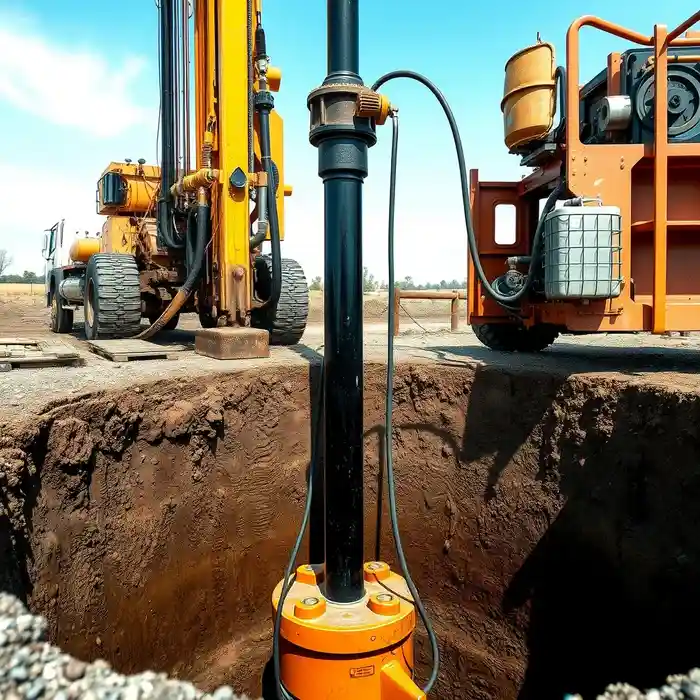
Our approach in Akron begins with a thorough site evaluation, synthesizing existing geological survey data with a field reconnaissance to assess topography and surface indications of subsurface conditions. This informs the strategic planning of the water well drilling operation. We select drilling techniques—often rotary or cable tool—based on the anticipated sequence of unconsolidated glacial deposits and the depth to competent bedrock. Continuous logging of cuttings and monitoring of drilling parameters allows for real-time adjustments. The final development phase ensures the well is properly conditioned to deliver optimal, sediment-free water.
Reference Technical Parameters
| Parameter | Reference Value |
|---|---|
| Predominant Soil Type | Glacial Till (Clay, Silt, Sand, Gravel Mix) |
| Typical Groundwater Level | 10 - 50 ft below ground surface |
| Bedrock Depth (Surface to Rockhead) | Highly Variable: 20 ft to >200 ft |
| Primary Aquifer Material | Sand and Gravel (Glacial Outwash) |
| Typical Standard Penetration Test (SPT) N60 Range in Till | 15 - 50 blows/ft |
Local Considerations — Akron
The local context in Akron is defined by five key factors: 1) **Geology & Aquifers**: The primary water-bearing zones are within sand and gravel layers of glacial outwash deposits, often interbedded with less permeable till. The depth to bedrock (Black Hand Sandstone or Cuyahoga Formation) varies significantly. 2) **Groundwater Level**: The water table is generally shallow but can fluctuate seasonally and is influenced by proximity to major drains like the Little Cuyahoga River. 3) **Seismic Context**: While not highly seismic, site-specific ground conditions must be considered for permanent wellhead installations. 4) **Neighborhood Contrast**: Well depth and yield can differ markedly between areas on the glacial uplands versus valleys due to varying deposit thickness and composition. 5) **Typical Cases**: Residential properties often tap shallow sand and gravel aquifers, while larger commercial or agricultural needs may require deeper drilling into fractured bedrock, necessitating a detailed hydrogeological survey for planning. For major regional projects, our foundational work often connects back to our operations and expertise developed through water well drilling services from our Chicago hub.
Request a Quote
Our team reviews your project and issues an initial report at no cost.
Or write us directly at [email protected]
Services in Akron
Applicable Standards
- Ohio Administrative Code (OAC) Chapter 3745-9 (Water Well Standards)
- Summit County Health District Regulations
- Ohio Department of Natural Resources (ODNR) Water Withdrawal Regulations
Frequently Asked Questions
What are the main soil and rock conditions for water well drilling in Akron?
Akron's subsurface is dominated by unconsolidated glacial deposits—a mix of clay, silt, sand, and gravel known as till, with more permeable sand and gravel layers forming the primary aquifers. Beneath these deposits lies bedrock, primarily sandstone and shale. The thickness and composition of these glacial materials vary greatly, directly impacting well design, drilling method, and expected yield.
Are there specific seismic code considerations for well construction in Akron?
While Akron is in a region of lower seismic risk compared to other parts of the country, proper well construction practices are essential for durability. This includes securing the well casing firmly and ensuring the wellhead is protected from surface hazards. All our work adheres to robust engineering standards suitable for the local ground conditions.
Is a hydrogeological study mandatory before drilling a water well in Summit County?
While not always mandatory for single-family residential wells, a professional hydrogeological assessment is highly recommended and is often required for commercial, industrial, or high-yield withdrawals. It is critical for identifying the best aquifer target, estimating sustainable yield, and ensuring compliance with ODNR regulations for larger withdrawals, ultimately preventing costly drilling mistakes.