Methodology
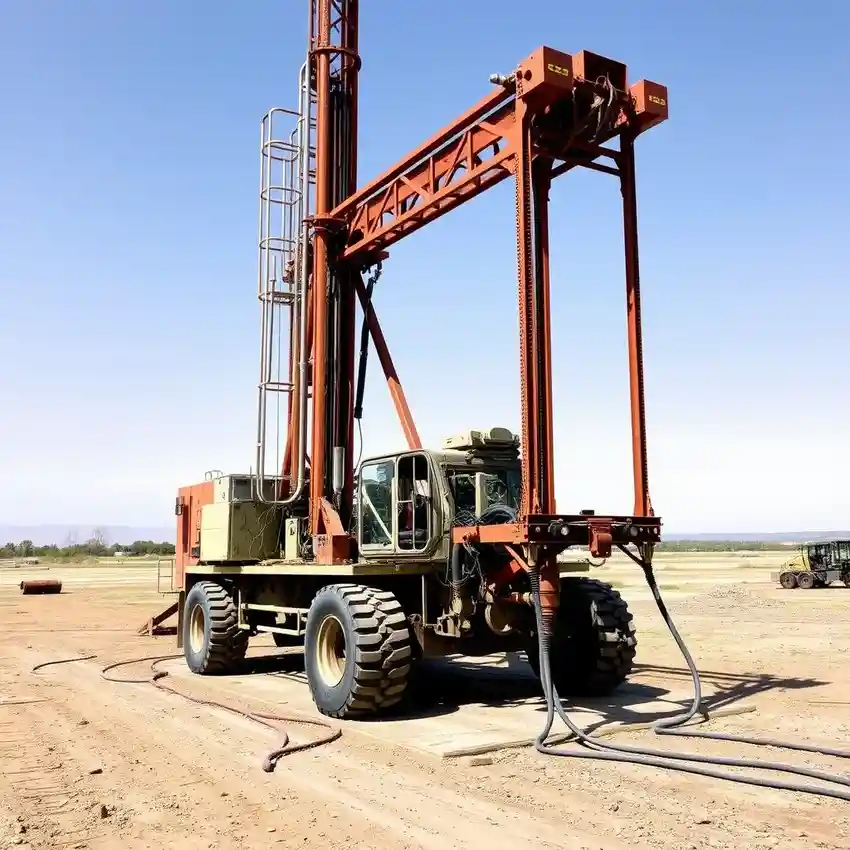
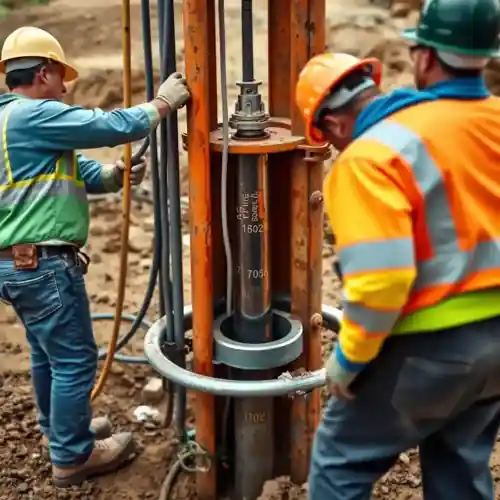
Our approach in Atlanta begins with a thorough site evaluation to understand the local fracture patterns within the granite and gneiss bedrock. We then employ rotary drilling techniques with air or mud, specifically suited to penetrate this hard rock and successfully develop water-bearing fractures. The process is systematic, from pilot hole drilling to casing installation and well development. For a complete overview of our technical process, please visit our detailed page on water well drilling.
Reference Technical Parameters
| Parameter | Reference Value |
|---|---|
| Predominant Rock Type | Crystalline Bedrock (Granite/Gneiss) |
| Typical Well Depth Range | 200 - 600+ ft |
| Bedrock Encounter Depth | 10 - 50 ft (variable with topography) |
| Maximum Seismic Acceleration (PGA) | 0.12g - 0.20g (Site Specific) |
| Typical Casing Diameter | 6" - 8" |
Local Considerations — Atlanta
1. **Geology & Aquifer:** The primary aquifer is within the fractured crystalline bedrock (granite/gneiss) of the Piedmont. Water yield is highly dependent on intersecting productive fracture zones, not a uniform water table. 2. **Typical Depths:** Residential wells typically range from 200 to 500 feet deep, with commercial/agricultural wells often exceeding 600 feet to reach adequate fracture networks. 3. **Seismic Context:** While not the highest seismic zone, the region can experience ground shaking. Well design and construction must account for soil stability, a factor we integrate into our planning, often informed by a preliminary hydrogeological survey. 4. **Neighborhood Variability:** Yields can vary dramatically over short distances due to the unpredictable nature of rock fracturing. Properties in more elevated areas of the Piedmont may require deeper drilling. 5. **Typical Projects:** Our most common engagements are for single-family homes, agricultural irrigation, and commercial facilities seeking water independence, all requiring strict adherence to Georgia state well construction standards.
Request a Quote
Our team reviews your project and issues an initial report at no cost.
Or write us directly at [email protected]
Services in Atlanta
Locations covered in Atlanta
Applicable Standards
- Georgia Well Water Standards Act
- Georgia Department of Natural Resources (DNR) Rules
- Local County Health Department Regulations
- National Ground Water Association (NGWA) Standards
Frequently Asked Questions
Why is well yield so unpredictable in the Atlanta area?
Yield depends entirely on intersecting water-bearing fractures within the hard crystalline bedrock. These fractures are not uniformly distributed, causing significant variability between nearby properties. A professional assessment is crucial to estimate probable depth and yield before drilling begins.
What local regulations govern well drilling in Atlanta?
All wells must be constructed according to the Georgia Well Water Standards Act and permitted through the local county health department. Regulations cover proper sealing, casing, setback distances from contaminants, and reporting. Our team ensures full compliance with all state and county codes.
Is a hydrogeological study always required before drilling a well?
While not always legally mandated for residential lots, a professional site evaluation is highly recommended. Given the geological complexity and financial investment, understanding the local fracture patterns and historical well data dramatically increases the probability of a successful, productive well.