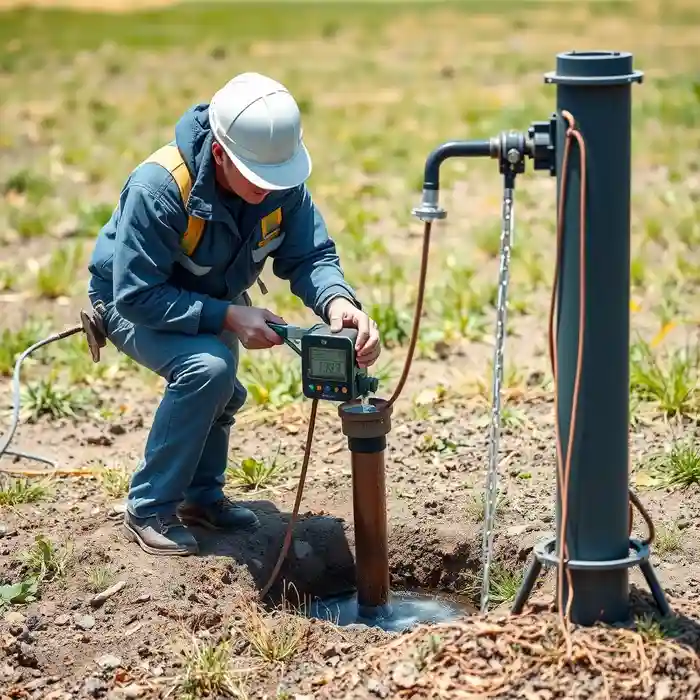
Methodology
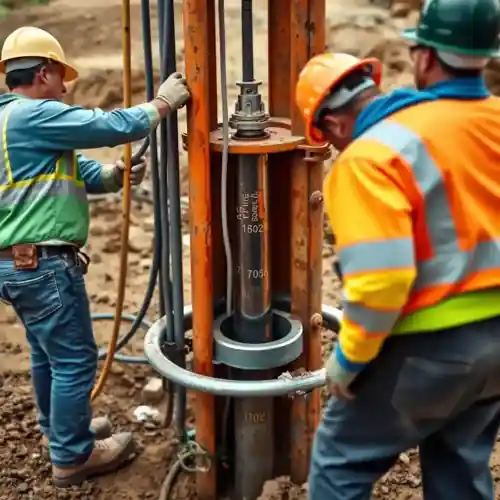
Our methodology for projects in Chattanooga begins with a comprehensive review of existing geological surveys and well logs to understand the subsurface structure. We then proceed with a site-specific assessment to determine the optimal location and depth for a sustainable water source. The actual water well drilling process is executed using techniques suited to the local bedrock and overburden, followed by proper well development to ensure clarity and yield. We emphasize systematic documentation and testing throughout to validate the well's performance against project requirements and regulatory benchmarks.
Reference Technical Parameters
| Parameter | Reference Value |
|---|---|
| Predominant Bedrock Type | Limestone and Sandstone |
| Typical Bedrock Depth | 10 - 100 ft (variable with overburden) |
| Typical Groundwater Level | Highly variable; 20 - 200 ft below surface |
| Maximum Seismic Acceleration (PGA) | Site-specific; refer to USGS seismic hazard maps |
| Typical Overburden Soil | Clay, silt, and weathered rock residuum |
Local Considerations — Chattanooga
1. **Geology & Aquifers**: Primary water-bearing zones are often found in fractured limestone and sandstone layers within the Appalachian Valley and Ridge Province, requiring precise targeting during drilling. 2. **Groundwater Depth**: Water levels can vary significantly, from shallow alluvial deposits near the Tennessee River to deeper bedrock aquifers in upland areas. 3. **Seismic Activity**: Located in a region of moderate seismic risk, well design and construction must consider potential ground motion, influencing casing and grouting specifications. 4. **Urban vs. Rural Contrasts**: In more developed areas, a thorough hydrogeological survey is critical to assess potential anthropogenic impacts, while rural sites may focus more on natural yield and water quality. 5. **Typical Projects**: Common scenarios include residential wells in outlying communities and supplemental water sources for agricultural operations in the surrounding valleys.
Request a Quote
Our team reviews your project and issues an initial report at no cost.
Or write us directly at [email protected]
Services in Chattanooga
Applicable Standards
- Tennessee Water Well Standards (Rule 0400-45-01)
- Tennessee Department of Environment and Conservation (TDEC) Regulations
- Local County Health Department Requirements
Frequently Asked Questions
What are the common soil and rock conditions for water well drilling in Chattanooga?
The area typically features a layer of clayey overburden and weathered rock residuum overlying folded and faulted sedimentary bedrock, primarily limestone and sandstone. The competency and fracturing of this bedrock directly influence well yield and drilling methodology, making a proper geological assessment essential.
Are there specific seismic design considerations for water wells here?
While not as stringent as in high-seismicity zones, the moderate seismic risk in the region recommends prudent engineering practices. This includes ensuring proper grouting and casing seals to maintain well integrity and prevent aquifer contamination during ground motion events, in line with general best practices for resilient well construction.
Is a hydrogeological study mandatory before drilling a water well in Chattanooga?
While not always mandated by code for single-family residential wells, a professional hydrogeological study is highly recommended. It is often required for commercial, industrial, or high-yield wells to ensure sustainable extraction, verify water quality, and comply with TDEC guidelines, ultimately protecting your investment and the resource.