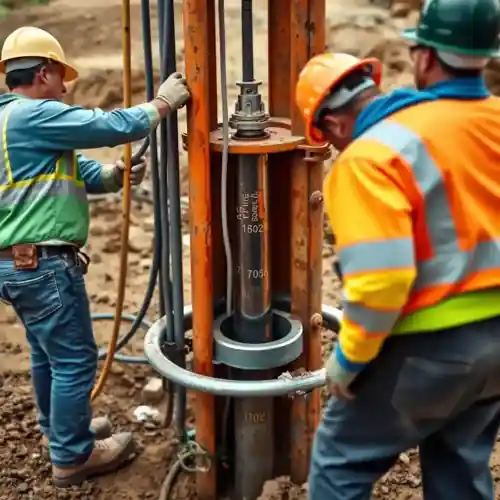
Methodology
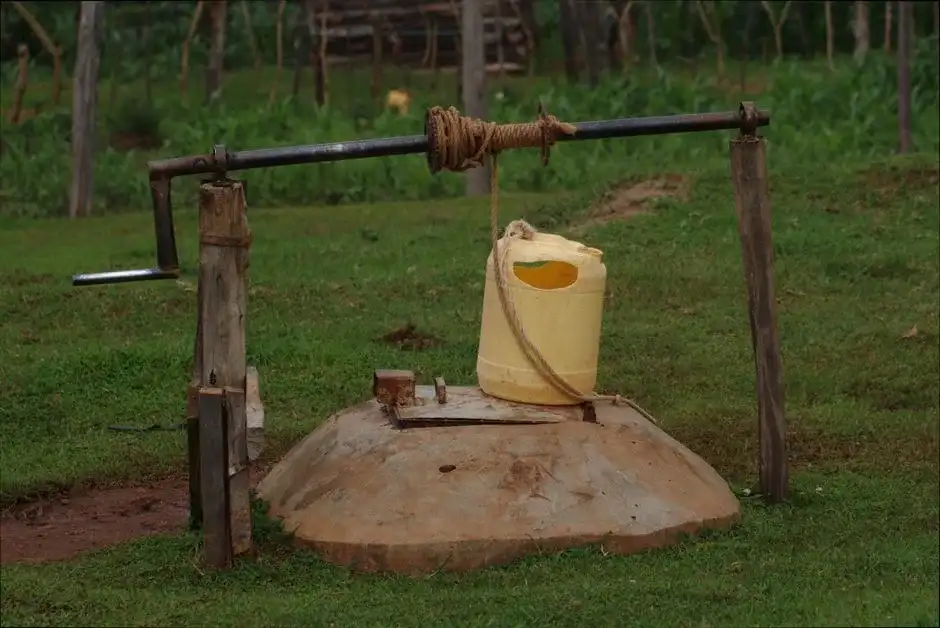
Our approach to water well drilling in Miami begins with a comprehensive site-specific analysis, integrating regional hydrogeological data with local property assessments. We prioritize understanding the unique layering of the Biscayne Aquifer—a highly permeable limestone formation—to identify optimal zones for water yield and quality. The drilling process is meticulously planned to navigate the karstic geology, using techniques that minimize environmental impact and ensure structural integrity. Following drilling, we conduct thorough development and testing to confirm the well's performance and sustainability, a critical step before proceeding with pump installation.
Reference Technical Parameters
| Parameter | Reference Value |
|---|---|
| Predominant Soil Type | Miami Limestone (oolitic), Sand |
| Typical Groundwater Level | 5 - 15 ft below surface |
| Bedrock Depth | Surface to 30 ft (variable) |
| Primary Aquifer | Biscayne Aquifer (unconfined) |
Local Considerations — Miami
1. **Geology & Aquifer:** The primary source is the unconfined, karstic Biscayne Aquifer, characterized by highly porous limestone. This allows for high well yields but also makes the aquifer vulnerable to surface contamination and saltwater intrusion. 2. **Groundwater Level:** The water table is generally shallow, often within 5-10 feet of the surface, fluctuating with seasonal rains and tidal influence in coastal areas. 3. **Seismic Context:** While not a primary design driver compared to other regions, low-level seismic activity is considered in well construction standards. 4. **Neighborhood Contrasts:** Coastal areas (e.g., Miami Beach, Key Biscayne) face acute saltwater intrusion risks, necessitating careful depth control and monitoring. Inland and western suburbs may contend with different water quality parameters. 5. **Typical Projects:** Residential potable wells, irrigation for landscaping, and commercial water supply are common, each requiring strict adherence to permitting and a preliminary hydrogeological survey to ensure feasibility and regulatory compliance.
Request a Quote
Our team reviews your project and issues an initial report at no cost.
Or write us directly at [email protected]
Services in Miami
Locations covered in Miami
Applicable Standards
- Florida Statutes Chapter 373 (Water Resources)
- South Florida Water Management District (SFWMD) Regulations
- Florida Department of Environmental Protection (FDEP) Well Construction Permitting
Frequently Asked Questions
What is the most critical geological factor for water well drilling in Miami?
The karstic nature of the Miami Limestone (Biscayne Aquifer) is paramount. Its high permeability allows for excellent well yields but also creates direct pathways for pollutants and saltwater intrusion. Proper well construction, including sanitary sealing and appropriate screen placement, is essential to protect water quality.
What regulations specifically govern well drilling in Miami-Dade County?
Well construction is primarily regulated by the South Florida Water Management District (SFWMD) and the Florida Department of Environmental Protection (FDEP). A consumptive use permit is often required for non-exempt wells. Local county and municipal codes add further layers of regulation regarding zoning, permitting, and connection to public water systems where available.
Is a hydrogeological study always required before drilling a well in Miami?
While not always legally mandated for every single-family residential well, a professional hydrogeological survey is highly recommended and often required for permitting by the SFWMD for larger withdrawals. It is a critical risk-mitigation step to assess aquifer conditions, potential saltwater intrusion, sustainable yield, and to ensure the well's design is optimal for the specific location.