Methodology
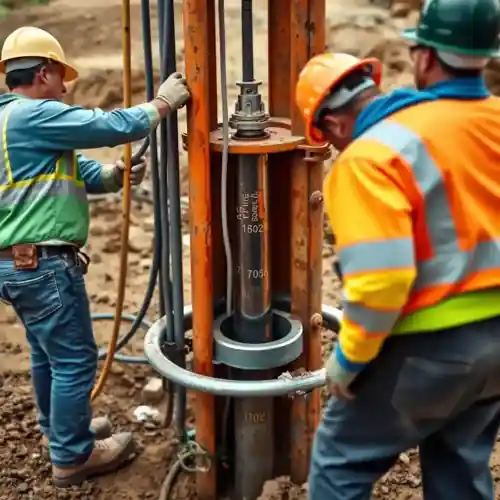
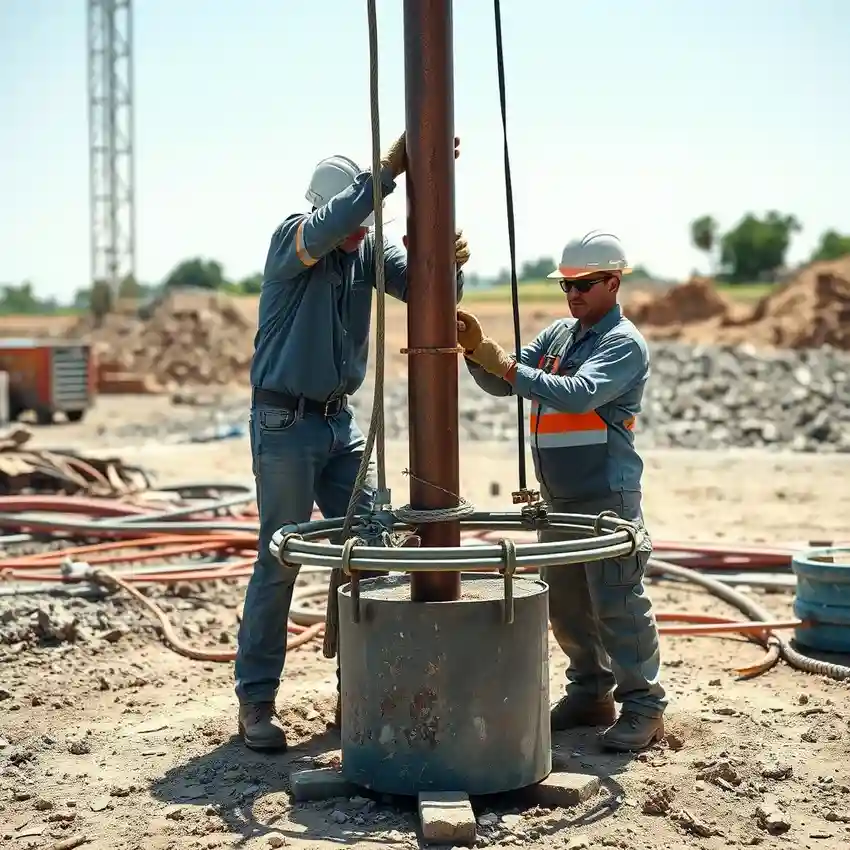
Our approach in Tampa begins with a thorough site evaluation to understand the specific subsurface conditions. We then proceed with a precise water well drilling operation, selecting the appropriate technique—often rotary or cable tool—based on the encountered geology. Throughout the process, we meticulously log formation samples and monitor drilling parameters. The well is then properly cased and developed to optimize its yield and longevity, ensuring a clean, efficient water supply source tailored to the property's needs.
Reference Technical Parameters
| Parameter | Reference Value |
|---|---|
| Predominant Soil Type | Sands and Clays over Limestone |
| Typical Groundwater Level | 10 - 50 ft below surface |
| Bedrock Depth (Limestone) | 20 - 100 ft |
| Maximum Seismic Acceleration (PGA) | < 0.1g (Low Seismicity) |
Local Considerations — Tampa
Tampa's geology presents unique challenges for groundwater development. The subsurface consists of alternating layers of sand, clay, and limestone, with the Floridan Aquifer System as the primary target. Groundwater levels are generally shallow but can be influenced by tidal effects near the coast. Seismic risk is low, but karst features in the limestone can pose drilling challenges. In coastal neighborhoods, careful well design is crucial to prevent saltwater intrusion. A pre-construction hydrogeological survey is highly recommended to accurately locate productive zones and ensure regulatory compliance with the Southwest Florida Water Management District (SWFWMD) rules.
Request a Quote
Our team reviews your project and issues an initial report at no cost.
Or write us directly at [email protected]
Services in Tampa
Applicable Standards
- Florida Statutes Chapter 373
- SWFWMD Regulations
- Florida Department of Health - Chapter 64E-8, F.A.C.
Frequently Asked Questions
What are the most common soil and rock conditions encountered during well drilling in Tampa?
Drilling typically progresses through surface sands and clays before reaching the porous limestone of the Floridan Aquifer System. This limestone can contain cavities and variable water-bearing zones, making accurate depth prediction and proper well construction essential for success and to avoid contamination from overlying layers.
What are the key local regulations for drilling a water well in Tampa?
All wells must be permitted by the Southwest Florida Water Management District (SWFWMD). Regulations cover well construction standards (casing, grouting), location setbacks from potential contaminants, and often require a licensed water well contractor. A [pump installation](/pump-installation/) must also meet specific codes. Compliance ensures water quality and resource sustainability.
Is a hydrogeological study mandatory before drilling a well in Tampa?
While not always legally mandatory for a single residential well, a professional survey is strongly advised. Given the geological complexity and to secure the required permit, SWFWMD often requires proof of a viable water source and proper construction plans, which a survey provides. It is a critical step for optimizing investment and ensuring long-term well performance.