Methodology
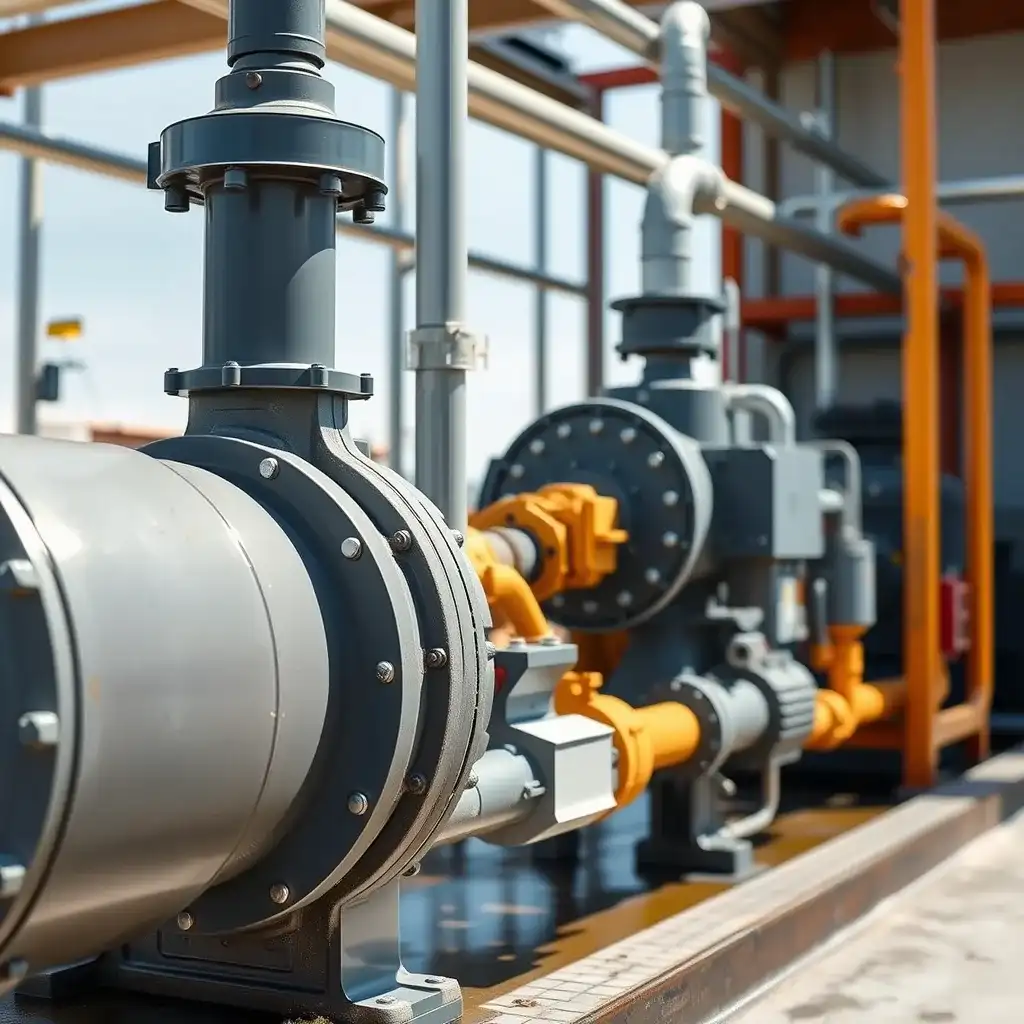
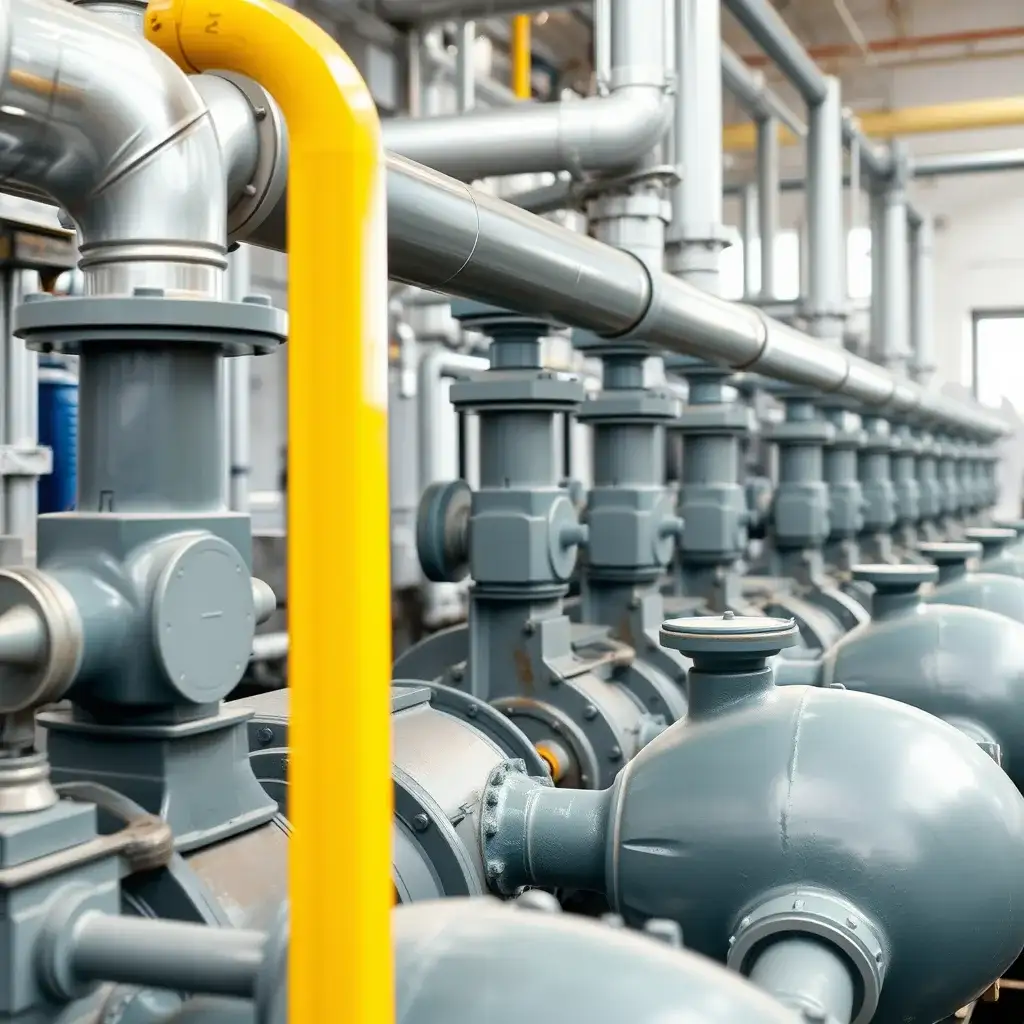
Our installation protocol begins with a thorough analysis of the well completion report and a pump performance test. We adhere to standards like ANSI/AWWA A100-20 and NGWA guidelines for material selection and installation depth. The process includes calculating total dynamic head (TDH), selecting a pump with a matching performance curve, and ensuring proper electrical specifications. Installation involves setting the pump at the correct depth—typically 10 to 20 feet above the well screen to prevent sand intake—securing the drop pipe and cable, and installing a control box and pressure tank. Final system commissioning includes verifying flow rates (often between 5-50 GPM) and conducting a safety and efficiency check.
Reference Technical Parameters
| Parameter | Reference Value |
|---|---|
| Typical Pump Setting Depth | 50 - 400 ft below static water level |
| Common Horsepower (HP) Range | 0.5 - 10 HP |
| Standard Voltage Requirements | 115V, 230V, 460V (3-phase) |
| Expected Service Life | 15 - 25 years |
| Typical System Pressure | 30 - 50 PSI |
Local Considerations — USA
Pump installation requirements vary significantly across U.S. regions due to geology and climate. In areas with deep aquifers like the Ogallala, such as in Albuquerque, high-lift submersible pumps are standard. In coastal regions like Anaheim, pumps require corrosion-resistant materials due to saline water intrusion risks. In colder climates like Anchorage, installations must include pitless adapters and wiring rated for freezing temperatures to prevent line freeze-ups. Our technicians are trained to adapt equipment and techniques to local hydrogeological and regulatory conditions in every city we serve.
Request a Quote
Our team reviews your project and issues an initial report at no cost.
Or write us directly at [email protected]
Applicable Standards
- ANSI/AWWA A100-20 (Water Wells)
- NGWA Water Well Construction Standard
- National Electrical Code (NEC) Article 680
- State-specific Department of Environmental Protection (DEP) regulations
Frequently Asked Questions
What is the most critical factor in selecting a pump for my well?
The most critical factor is accurately matching the pump's performance curve to the well's specific capacity and the system's total dynamic head (TDH). An oversized pump can cause sand pumping and aquifer damage, while an undersized pump fails to meet demand. Our selection is based on the well yield test, static water level, and peak household or operational water usage.
How long does a professional pump installation typically take?
A standard installation for a residential submersible pump system typically takes one full day. This includes pump selection, pulling the old pump (if applicable), installing the new pump, drop pipe, wiring, control box, pressure tank, and system testing. More complex systems or deep commercial wells may require 2-3 days.
Are there specific maintenance requirements after a new pump installation?
Yes, regular maintenance is crucial. We recommend an annual inspection of the pressure tank, switch, and control box. Monitoring power consumption and water pressure can provide early signs of issues. For comprehensive care, consider our scheduled [Well Maintenance](/well-maintenance/) program to extend the pump's service life and ensure consistent performance.
How much does Pump Installation cost in the USA?
The cost of pump installation varies based on pump depth, horsepower, well accessibility, and system complexity. For a standard residential installation, national reference ranges for 2026 typically fall between $1,800 and $3,500, including pump and labor. Deep-well or high-capacity commercial systems cost significantly more. The most accurate method is to request a site-specific quote from our technicians based on your well's data.