Methodology
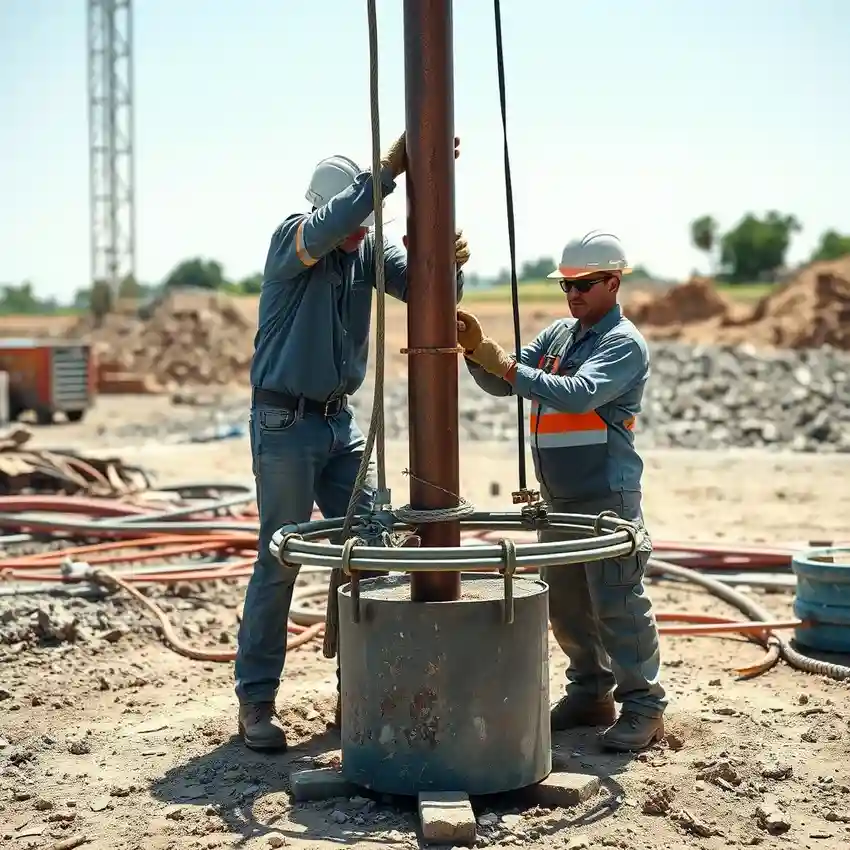
Our methodology for projects in Albuquerque begins with a thorough review of existing hydrogeologic data and state water rights. We then proceed with site-specific planning, which includes determining the optimal location and depth for the well based on the target aquifer—often the Santa Fe Group sediments. The actual water well drilling process utilizes techniques suited to the local unconsolidated sands and gravels, followed by proper well development to maximize yield and longevity. Each project adheres to New Mexico Office of the State Engineer guidelines and local Bernalillo County codes.
Reference Technical Parameters
| Parameter | Reference Value |
|---|---|
| Predominant Soil Type | Unconsolidated Sand and Gravel (Santa Fe Group) |
| Typical Groundwater Level | 50 - 400 ft below surface |
| Bedrock Depth | Variable, often >1000 ft in basin center |
| Maximum Seismic Acceleration (PGA) | Approx. 0.2g - 0.3g (Site Specific) |
| Typical SPT N60 Range | 10 - 50 (highly variable with depth and location) |
Local Considerations — Albuquerque
Key local considerations for water well drilling in Albuquerque include: 1) Geology: The valley is underlain by deep, unconsolidated basin-fill sediments of the Santa Fe Group, which house the primary aquifers but require careful screen selection to prevent sanding. 2) Water Table: Depth to groundwater varies significantly, from shallower levels near the Rio Grande to several hundred feet deep in the East Mesa. 3) Seismicity: Located in a region of moderate seismic risk, well casing and construction must account for potential ground motion. 4) Neighborhood Contrasts: Requirements and aquifer characteristics differ greatly between the valley floor and the surrounding West Mesa or Northeast Heights. 5) Typical Cases: Most residential wells target the upper Santa Fe Group, while deeper wells may tap into the lower, more confined units. A preliminary hydrogeological survey is highly recommended to navigate these variables. For major regional projects, our primary hub offers extensive support for water well drilling services from Denver.
Request a Quote
Our team reviews your project and issues an initial report at no cost.
Or write us directly at [email protected]
Services in Albuquerque
Applicable Standards
- New Mexico Office of the State Engineer (OSE) Regulations
- Bernalillo County Well Construction Standards
- New Mexico Administrative Code (NMAC) 19.25.4
- Federal Safe Drinking Water Act (SDWA) provisions
Frequently Asked Questions
What soil and geological challenges are unique to water well drilling in Albuquerque?
The primary challenge is the heterogeneous, unconsolidated nature of the Santa Fe Group aquifer sediments, consisting of interbedded sands, gravels, clays, and silts. This variability requires expert log interpretation and precise screen placement to ensure a efficient, sand-free well. Additionally, the presence of occasional caliche layers can hinder drilling progress and must be properly sealed to prevent vertical seepage between aquifers.
How does Albuquerque's seismic activity influence well construction?
While not the most seismically active zone, Albuquerque is in a region capable of moderate earthquakes. Well construction must consider potential liquefaction in saturated, loose sands and ground shaking. This influences decisions on casing material, grouting specifications, and the depth of surface seal to maintain well integrity and prevent aquifer contamination during a seismic event.
Is a hydrogeological study mandatory before drilling a well in Albuquerque?
While not always mandated for every single-family residential well, the New Mexico OSE highly recommends and often requires a professional hydrogeological report for new appropriations, commercial wells, or wells in designated groundwater basins. This study is crucial for proving water availability, defining the aquifer characteristics, and securing the necessary permit, making it a critical first step for most projects.