Methodology
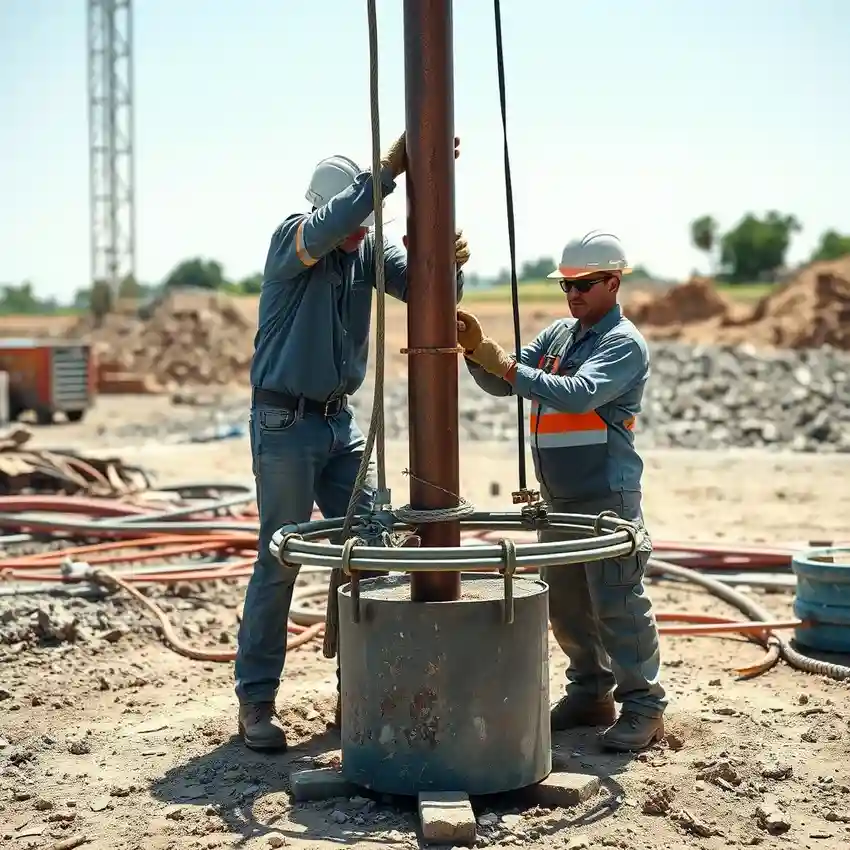
Our approach in Anaheim begins with a thorough site assessment to understand the local subsurface conditions. We then employ advanced water well drilling techniques suitable for the unconsolidated alluvial sediments. The process involves careful borehole advancement, well screen and casing installation based on aquifer characteristics, and systematic well development to maximize yield and efficiency, ensuring a sustainable water supply.
Reference Technical Parameters
| Parameter | Reference Value |
|---|---|
| Predominant Soil Type | Unconsolidated Alluvial Sand and Gravel |
| Typical Groundwater Level | 50 - 200 ft below ground surface |
| Bedrock Depth | Variable, often > 300 ft in basin center |
| Maximum Seismic Acceleration (PGA) | 0.4g - 0.6g (Seismic Zone 4) |
| Typical Aquifer Transmissivity | Moderate to High |
Local Considerations — Anaheim
The Anaheim area presents unique considerations for groundwater development. The primary water-bearing units are alluvial deposits from the Santa Ana River, with water tables typically ranging from 50 to 200 feet deep. Seismic activity is a key design factor, requiring robust well construction. Water quality can vary, with potential for hardness and nitrate presence from historical land use. A thorough hydrogeological survey is essential here to identify optimal aquifer zones and avoid areas with poor water quality or low permeability. For major regional projects, our central team provides extensive support for water well drilling projects across the greater Los Angeles basin.
Request a Quote
Our team reviews your project and issues an initial report at no cost.
Or write us directly at [email protected]
Services in Anaheim
Applicable Standards
- California Water Code
- Orange County Groundwater Management Plan
- Local Anaheim Municipal Code
- Seismic Design Criteria for Water Wells
Frequently Asked Questions
What are the main soil types encountered during well drilling in Anaheim?
Anaheim is situated within the Orange County Groundwater Basin, characterized by deep sequences of alluvial deposits. Drilling typically progresses through layers of unconsolidated sand, gravel, silt, and clay. The coarser sand and gravel layers are the primary water-bearing aquifers, while finer layers can act as confining units. Understanding this stratigraphy is crucial for proper well screen placement and development.
How does seismic activity affect well design and construction in Anaheim?
Anaheim is in a high seismic hazard zone. Well design must account for potential ground shaking and liquefaction in shallow, saturated sandy soils. This influences choices such as casing material strength, grouting procedures, and wellhead design to ensure structural integrity during and after a seismic event, preventing well collapse and protecting groundwater quality.
Are hydrogeological studies mandatory before drilling a water well in Anaheim?
While specific requirements can depend on the well's purpose and yield, a professional hydrogeological study is highly recommended and often required for commercial or municipal projects. It is essential for obtaining necessary permits from local and state water boards, proving the sustainable yield of the proposed well, and ensuring the project does not adversely impact existing water rights or groundwater quality.