Methodology
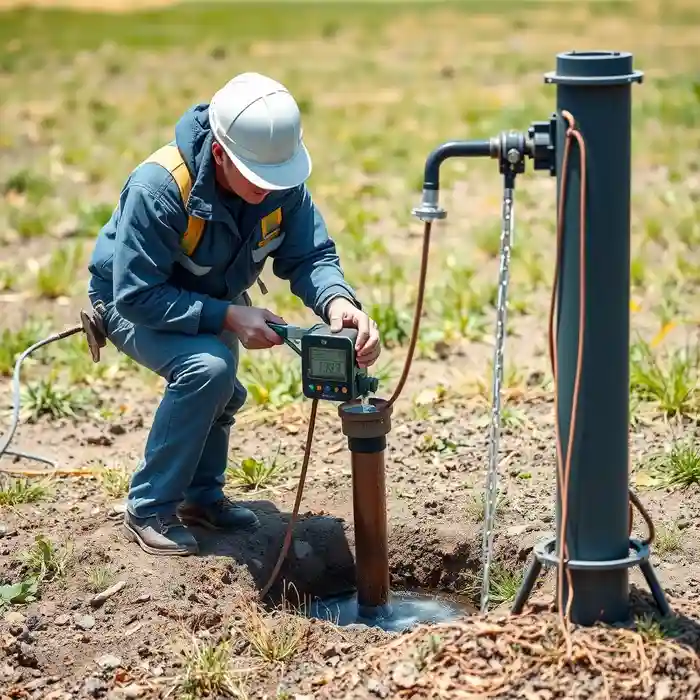
Our approach to water well drilling in Tampa begins with a thorough review of existing geological survey data and local well logs to understand the subsurface profile. We then employ drilling techniques suited to the region's lithology, typically using rotary methods with appropriate drilling fluid to manage the sandy overburden and penetrate the limestone effectively. Critical to the process is the careful installation of casing and screen to prevent sand intrusion and ensure a stable, long-lasting well. Each phase is documented, and development procedures are tailored to the specific aquifer characteristics encountered. For a detailed breakdown of our process, refer to our page on water well drilling.
Reference Technical Parameters
| Parameter | Reference Value |
|---|---|
| Predominant Soil Type (Overburden) | Fine to coarse sand, with interbedded clay layers |
| Typical Bedrock (Aquifer) Depth | 20 to 100 feet below land surface |
| Typical Groundwater Level (Surficial Aquifer) | 5 to 20 feet below land surface |
| Maximum Seismic Acceleration (PGA) | ≤ 0.1g (Low Seismicity Zone) |
| Primary Aquifer Target | Floridan Aquifer System (Limestone) |
Local Considerations — Tampa Florida
The local context in Tampa Florida presents distinct considerations for groundwater development. The geology is dominated by a thick sequence of carbonate rocks overlain by unconsolidated sands and clays, with the prolific Floridan Aquifer as the primary target. Groundwater levels are generally shallow but can exhibit tidal influence in coastal areas. Seismic activity is considered low, with minimal design impact compared to other regions. A key contrast exists between inland areas, where the aquifer is confined, and coastal zones, where saltwater intrusion is a critical risk management factor. Typical cases involve residential and irrigation wells tapping the Upper Floridan, requiring careful construction to maximize yield while protecting water quality. Understanding these factors is essential, which is why a preliminary hydrogeological survey is highly recommended. For major regional projects, our team also provides extensive expertise through our water well drilling services based in Miami.
Request a Quote
Our team reviews your project and issues an initial report at no cost.
Or write us directly at [email protected]
Services in Tampa Florida
Applicable Standards
- Florida Statutes Chapter 62-532 (Water Well Construction)
- Southwest Florida Water Management District (SWFWMD) Regulations
- Local County Environmental Health Codes
Frequently Asked Questions
What are the main soil and aquifer challenges for drilling a water well in Tampa?
The primary challenge is the lithologic transition from loose surficial sands, which can be unstable during drilling, into the hard, often cavernous limestone of the Floridan Aquifer. This requires specific drilling techniques and careful well construction to prevent collapse and sand pumping. Additionally, the potential for encountering zones of poor water quality or saltwater intrusion near coastal areas necessitates precise depth control and sealing.
What local regulations govern water well drilling in Tampa Florida?
Well construction is primarily regulated under Florida Administrative Code Chapter 62-532, which sets standards for casing, grouting, and reporting. Permitting and water use are managed by the Southwest Florida Water Management District (SWFWMD). Furthermore, local county health departments have regulations regarding well location (setbacks) and construction to protect groundwater quality from contamination.
Is a professional hydrogeological assessment always required before drilling?
While not always legally mandated for a single residential well, a professional assessment is strongly advised. Given the variable depth to water-bearing zones and the critical need to avoid saline water or contamination plumes, an investigation significantly de-risks the project. It ensures the well is properly located and designed for sustainable yield, preventing costly failures or non-compliant installations.