Methodology
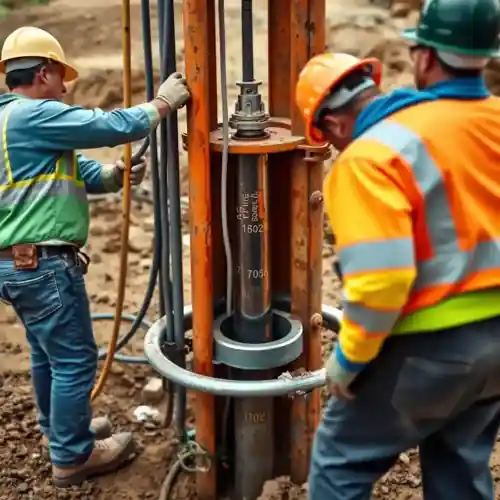
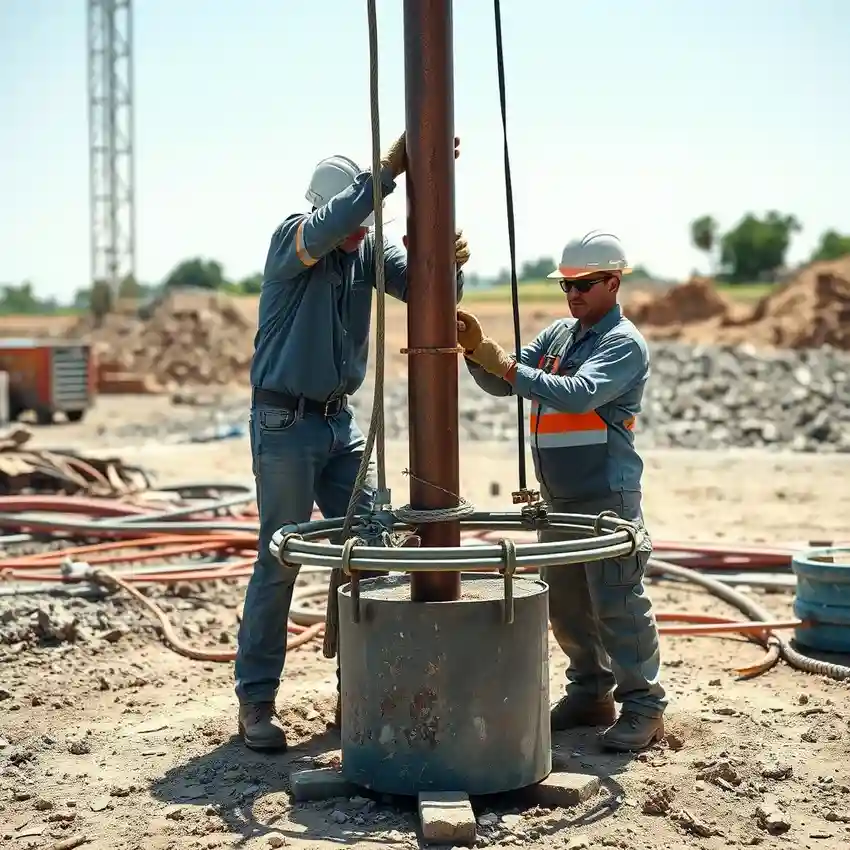
Our approach in Fort Lauderdale begins with a thorough review of local well logs and hydrogeologic data to understand the specific subsurface conditions of a property. We then employ rotary or cable tool drilling methods suited to the unconsolidated sands and porous limestone. Critical to our process is the proper design and installation of the well casing and screen to prevent sand intrusion and optimize yield from the highly transmissive aquifer. Each project concludes with development and testing to verify performance and water quality, forming a complete water well drilling solution.
Reference Technical Parameters
| Parameter | Reference Value |
|---|---|
| Predominant Soil Type | Unconsolidated sand, porous limestone (oolitic) |
| Typical Groundwater Level | 3 - 15 ft below surface |
| Bedrock (Limestone) Depth | 0 - 30 ft below surface |
| Aquifer Transmissivity | High (Biscayne Aquifer) |
| Maximum Seismic Acceleration (PGA) | Low (Seismic Zone 1) |
Local Considerations — Fort Lauderdale
Fort Lauderdale's geology is dominated by the Biscayne Aquifer, a shallow, high-yield limestone formation. The groundwater table is very responsive to tidal influences, especially east of I-95, requiring careful assessment of potential saltwater intrusion. Seismic risk is low but considered in design. In western suburbs like Davie, the aquifer is deeper and overlain by more clay. A common challenge is navigating zones of cavernous limestone, which necessitates specialized drilling techniques and a detailed hydrogeological survey to ensure a stable, productive well. For major regional projects, our team often coordinates with our water well drilling specialists in Miami.
Request a Quote
Our team reviews your project and issues an initial report at no cost.
Or write us directly at [email protected]
Services in Fort Lauderdale
Applicable Standards
- South Florida Water Management District (SFWMD) Regulations
- Florida Department of Environmental Protection (FDEP) Chapter 62-532
- Broward County Well Construction Codes
Frequently Asked Questions
What are the main soil and aquifer challenges for water well drilling in Fort Lauderdale?
The primary challenge is the highly porous and cavernous nature of the Biscayne limestone aquifer. This can lead to drilling fluid loss and requires careful well construction to prevent collapse. The shallow water table is also susceptible to contamination from surface activities, mandating strict sanitary sealing protocols. Understanding local variations, like increased clay content westward, is crucial for successful well design.
What local regulations govern water well drilling in Fort Lauderdale?
All well construction is permitted and regulated by the South Florida Water Management District (SFWMD) and must comply with Florida Department of Environmental Protection (FDEP) Chapter 62-532. Broward County also has specific well construction codes. These regulations cover everything from permitting and construction standards to water quality testing and reporting requirements.
Is a hydrogeological study always required before drilling a well in Fort Lauderdale?
While not always mandated for single-family residential replacements, a professional hydrogeological assessment is highly recommended. Given the variability in limestone porosity and the critical need to avoid saltwater intrusion zones, a proper survey minimizes risk, ensures optimal well placement and design, and is often required by the SFWMD for commercial or high-yield wells.