Methodology
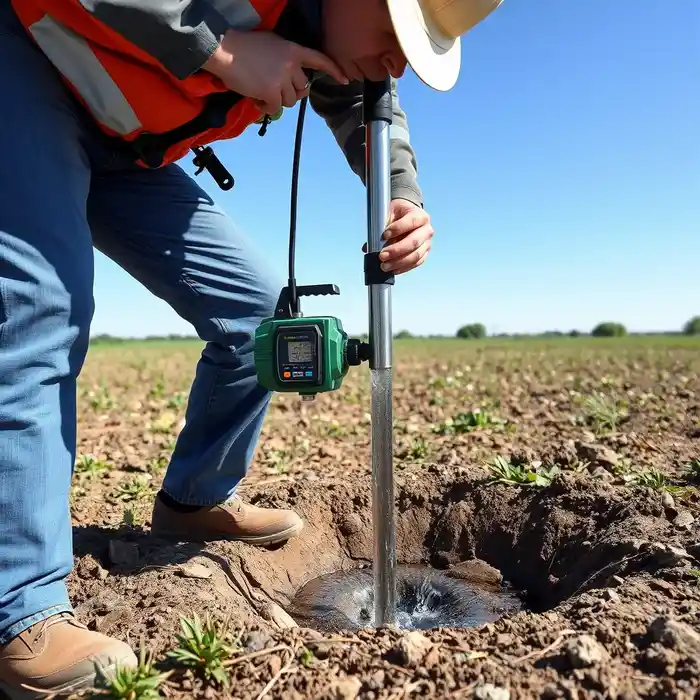
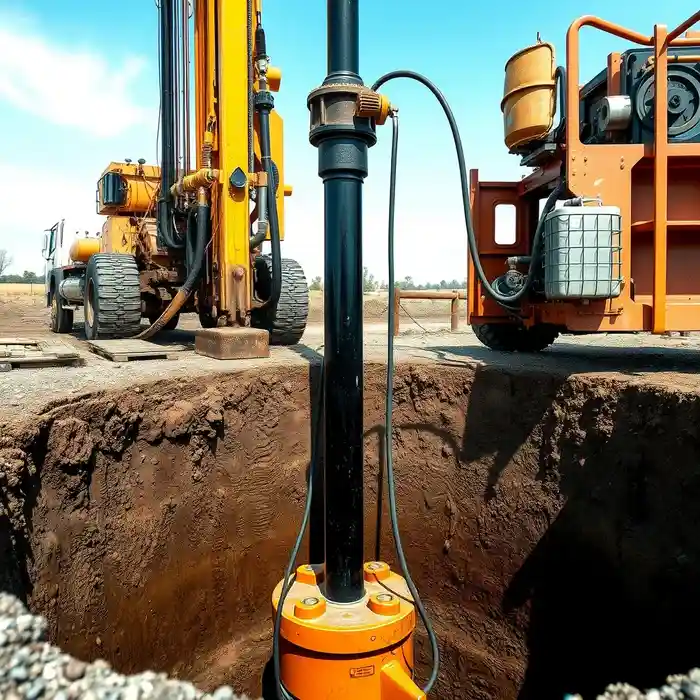
Our methodology for projects in Orlando begins with a comprehensive review of existing hydrogeological data and county records to understand the local aquifer characteristics. We then perform a detailed site evaluation to determine the optimal location and design for efficient water well drilling. This process considers the depth to the water table, soil permeability, and the required casing specifications to protect the aquifer. The drilling phase is executed with precision, followed by proper well development to ensure maximum yield and longevity, culminating in a standardized pump test to verify sustainable performance.
Reference Technical Parameters
| Parameter | Reference Value |
|---|---|
| Predominant soil type | Sand and Sandy Clay |
| Typical groundwater level | 10 - 30 ft below surface |
| Bedrock depth (Hawthorn Group) | 50 - 150 ft |
| Maximum seismic acceleration (PGA) | Low (Zone 0, <0.1g) |
| Typical SPT N60 value range | 5 - 25 (variable with depth and layer) |
Local Considerations — Orlando
Orlando's geology is dominated by sandy soils and porous limestone, facilitating high groundwater recharge but also increasing vulnerability to surface contamination. The water table is generally shallow, fluctuating with seasonal rainfall. While seismic activity is low, the primary hydrogeological considerations are soil stability during drilling and ensuring annular seal integrity. In newer developments like Lake Nona, deeper drilling may be required to reach optimal aquifers, whereas in established areas like College Park, well rehabilitation is often a primary concern. A thorough hydrogeological survey is critical here to avoid drilling into zones with poor water quality or insufficient yield. For complex projects requiring regional expertise, we often collaborate with our specialized water well drilling team in Miami.
Request a Quote
Our team reviews your project and issues an initial report at no cost.
Or write us directly at [email protected]
Services in Orlando
Applicable Standards
- Florida Statutes Chapter 62-532 (Water Well Construction)
- St. Johns River Water Management District Rules
- Local County Environmental Health Department Codes
Frequently Asked Questions
What are the main soil and aquifer challenges for water well drilling in Orlando?
The primary challenges involve the unconsolidated sandy soils, which can cause borehole collapse during drilling, and the presence of multiple water-bearing zones within the surficial and Floridan aquifers. Proper identification and isolation of the target aquifer are crucial to prevent inter-aquifer contamination and ensure a sustainable, clean water supply.
Are seismic design considerations relevant for well construction in Orlando?
While Orlando is not in a high seismic zone, all constructed infrastructure, including well casing and pump foundations, must be designed for general stability. The relevant building codes account for low-level ground motion, but the primary design focus remains on hydraulic efficiency and corrosion resistance in the local soil and water chemistry.
Is a hydrogeological study mandatory before drilling a water well in Orange County?
While not always mandated for every single-family residential well, a professional hydrogeological study is highly recommended and is often required by local permitting authorities for commercial, industrial, or agricultural wells, or for properties in designated water resource caution areas. It is a critical step for responsible resource development and long-term well performance.