Methodology
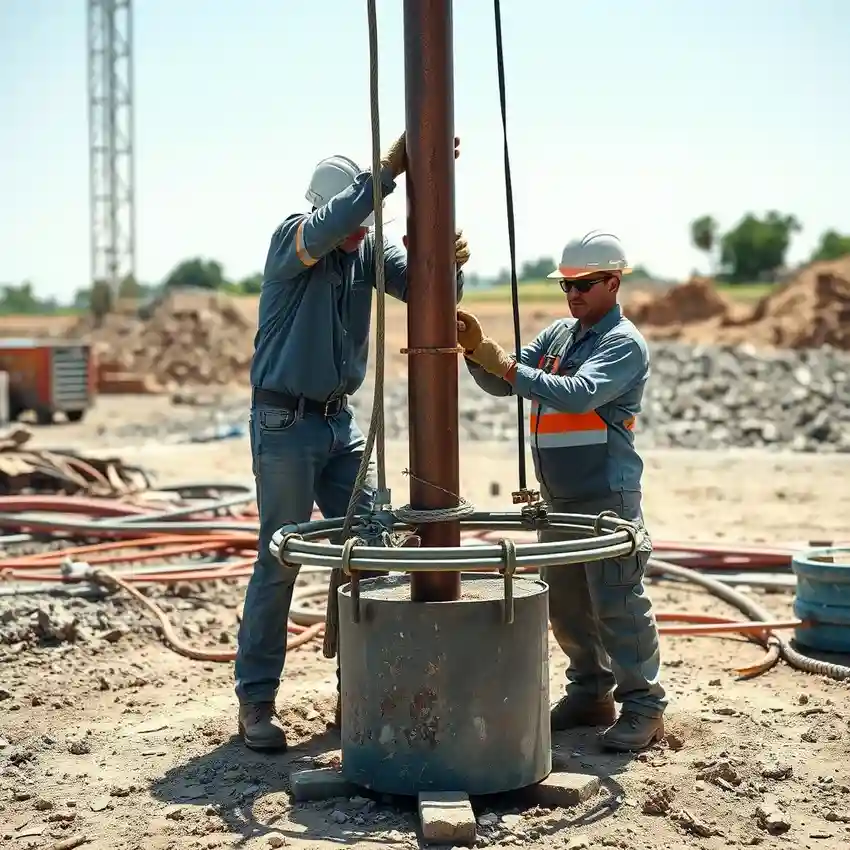
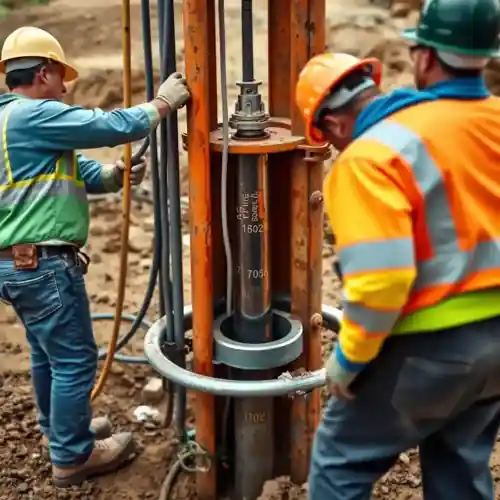
Our approach in Cape Coral begins with a thorough assessment of the property's specific location relative to known aquifer characteristics and potential saltwater intrusion interfaces. We employ a phased strategy that respects the delicate balance of the local groundwater system. This includes careful planning of the water well drilling process, from selecting the appropriate drilling technology for the sandy surficial soils to designing a well completion that protects the aquifer and maximizes sustainable yield. Our methodology is designed to mitigate common local challenges, ensuring a reliable water supply.
Reference Technical Parameters
| Parameter | Reference Value |
|---|---|
| Predominant Soil Type | Unconsolidated Sands and Shell Beds |
| Typical Groundwater Level | Shallow (3-15 ft below surface) |
| Bedrock Depth (Hawthorn Group) | Variable, 30-150 ft |
| Maximum Seismic Acceleration (PGA) | Low (Zone 1, <0.1g) |
| Primary Aquifer System | Surficial & Floridan Aquifer |
Local Considerations — Cape Coral
Cape Coral's geology is dominated by unconsolidated sands and shell beds overlying the limestone of the Floridan aquifer. The water table is generally shallow but can be influenced by tidal canals. A primary concern is the risk of saltwater intrusion, especially for properties closer to the Caloosahatchee River or coastal areas, making a preliminary hydrogeological survey critical. Seismic activity is low, with minimal liquefaction risk in the sandy soils. Construction typically requires navigating shallow bedrock in some areas, which influences drilling techniques. For ongoing water management, a properly sized pump installation is vital to maintain a stable freshwater lens and prevent up-coning of saltwater. For comprehensive regional expertise, explore our services for water well drilling in Miami.
Request a Quote
Our team reviews your project and issues an initial report at no cost.
Or write us directly at [email protected]
Services in Cape Coral
Applicable Standards
- Florida Statutes Chapter 373
- South Florida Water Management District (SFWMD) Regulations
- Cape Coral City Code - Well Construction Standards
- EPA Underground Injection Control (UIC) Program
Frequently Asked Questions
What soil and geological conditions affect water well drilling in Cape Coral?
Cape Coral sits on porous sands and shell beds over limestone. This geology allows for relatively easier drilling but requires careful construction to prevent sand infiltration and collapse. The proximity to limestone bedrock, which holds the primary Floridan aquifer, varies across the city, directly impacting well depth and design to ensure a stable, sand-free water supply.
Are there specific seismic design considerations for wells in Cape Coral?
Seismic risk is minimal in Cape Coral. The area is classified as a low-hazard seismic zone. Therefore, well design and construction focus primarily on hydrogeological stability, corrosion resistance in a coastal environment, and protection against saltwater intrusion rather than seismic loading. Standard well construction practices adequately address the static ground conditions.
Is a hydrogeological study mandatory before drilling a water well in Cape Coral?
While not always mandatory for every single-family residential well, a hydrogeological assessment is highly recommended and often required for commercial wells or those near designated saltwater intrusion lines. The South Florida Water Management District (SFWMD) may require proof of a viable aquifer and a properly designed well to grant a water use permit, making a professional survey a prudent and often necessary step.