Methodology

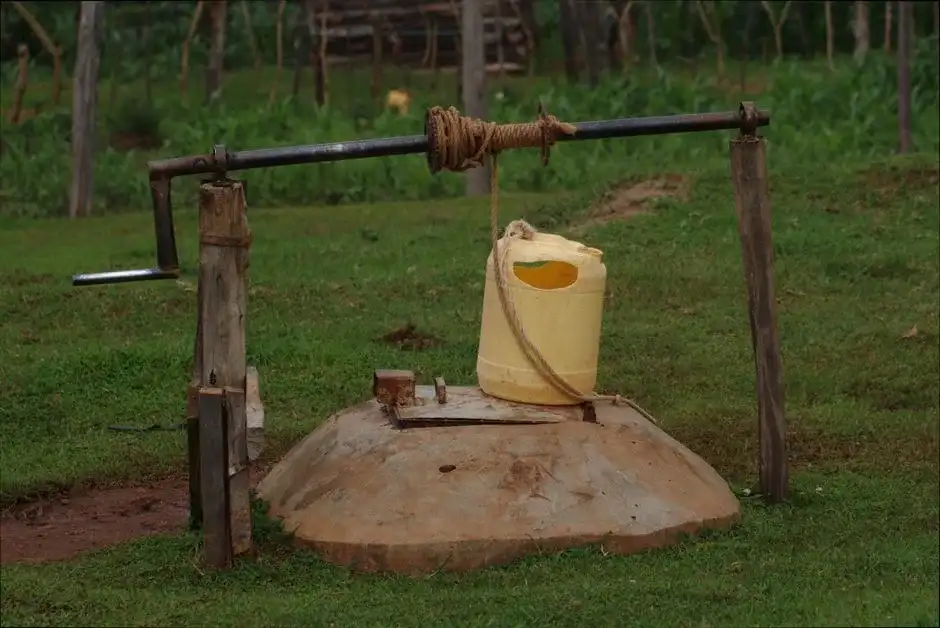
Our approach in Lexington begins with a comprehensive site assessment to understand the local karst topography. We then employ rotary or cable tool drilling methods, selected based on the depth to bedrock and the nature of the limestone formations. The process includes careful casing and grouting to prevent surface contamination, which is critical in vulnerable karst systems. For a detailed breakdown of our standard procedures, please refer to our dedicated page on water well drilling.
Reference Technical Parameters
| Parameter | Reference Value |
|---|---|
| Predominant Aquifer Type | Karst Limestone (Lexington/Tyrone Formations) |
| Typical Bedrock Depth | 0 - 20 ft (variable overburden) |
| Seismic Design Category | C (per IBC, site-specific determination required) |
| General Groundwater Quality | Hard water, high calcium carbonate |
| Typical Well Depth Range | 100 - 400 ft |
Local Considerations — Lexington
1. **Geology & Aquifers**: Lexington sits atop the Lexington Limestone, a karst aquifer with high permeability but variable yield and vulnerability to contamination. 2. **Groundwater Level**: The water table is generally shallow but can fluctuate seasonally and is deeply entrenched along the Kentucky River palisades. 3. **Seismic Context**: While not the most active zone, the region is subject to seismic risk from the New Madrid and Wabash Valley seismic zones, influencing well construction standards. 4. **Urban vs. Rural Contrast**: In rural Fayette County, deeper wells into the Tyrone Limestone are common, while urban infill projects require careful hydrogeological survey to avoid interference with existing wells. 5. **Typical Cases**: Residential properties often require wells 100-200 feet deep, while agricultural or commercial operations may target deeper, more productive zones, frequently followed by professional pump installation. For major regional projects, our central team provides extensive support for water well drilling services from our Atlanta hub.
Request a Quote
Our team reviews your project and issues an initial report at no cost.
Or write us directly at [email protected]
Services in Lexington
Applicable Standards
- Kentucky Groundwater Protection Program
- Safe Drinking Water Act (SDWA) Standards
- Fayette County Well Construction Regulations
- Kentucky Division of Water Guidelines
Frequently Asked Questions
What makes Lexington's geology unique for water well drilling?
Lexington's geology is dominated by karst limestone, characterized by dissolved conduits and fractures. This creates highly productive aquifers but also poses challenges like variable well yields, potential for rapid contaminant transport, and the risk of encountering open cavities during drilling, requiring specialized techniques and careful site evaluation.
Are there specific seismic considerations for wells in Lexington?
Yes. While not in a high-hazard zone, Lexington is subject to ground shaking from distant seismic zones. Well construction, including casing and grouting, must be designed to maintain integrity during seismic events to prevent aquifer contamination, following the seismic design provisions of the International Building Code as adopted by Kentucky.
Is a hydrogeological study mandatory before drilling a well in Lexington?
While not always mandated by code for every single-family residence, a professional hydrogeological study is highly recommended and often required for commercial, agricultural, or multi-well systems. It is critical for predicting yield, ensuring proper setback distances from potential contaminants, and designing a compliant, sustainable well in the complex karst environment.