Methodology
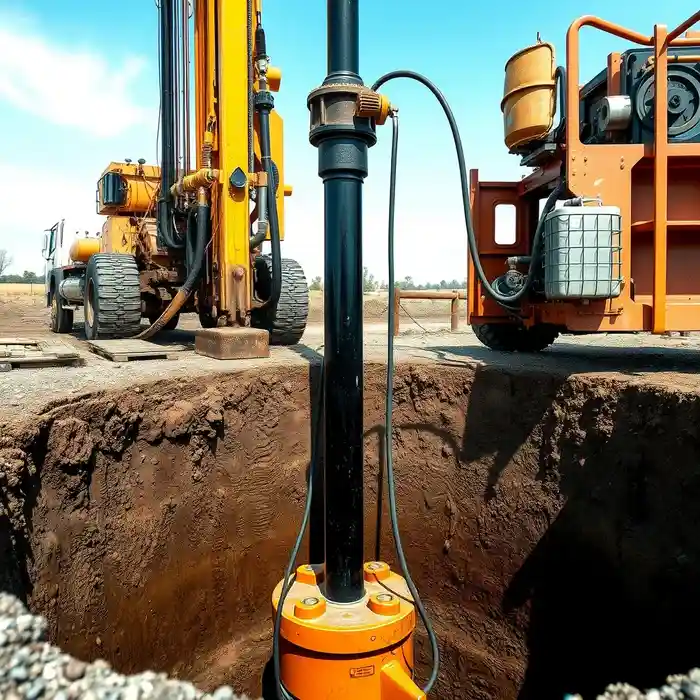
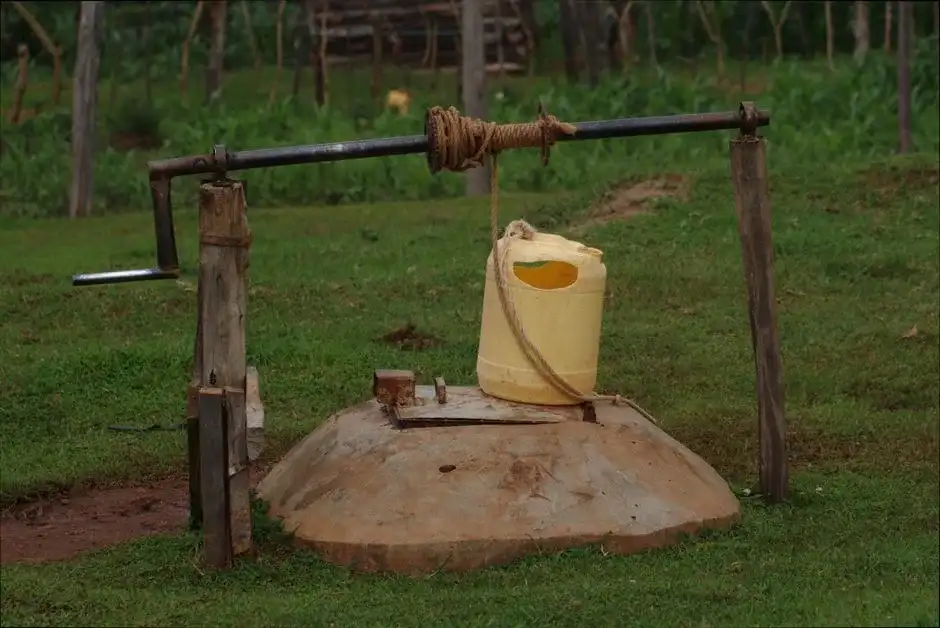
Our approach in Greensboro begins with a regional assessment to understand the fracture patterns within the local bedrock. We then employ a targeted strategy for water well drilling, selecting equipment and techniques based on the anticipated rock hardness and depth to water-bearing fractures. This process is guided by our experience with the variable nature of the Piedmont aquifer system, ensuring we develop a sustainable water source efficiently and effectively.
Reference Technical Parameters
| Parameter | Reference Value |
|---|---|
| Predominant Soil/Rock Type | Saprolite over Crystalline Bedrock |
| Typical Bedrock Depth | 15 - 100 ft (Highly Variable) |
| Typical Groundwater Level | 20 - 150 ft below surface |
| Maximum Seismic Acceleration (PGA) | 0.12g - 0.20g (Site-Specific) |
| Typical Well Yield Range | 1 - 25 gallons per minute |
Local Considerations — Greensboro
Greensboro's groundwater landscape is defined by five key factors. First, the predominant geology is weathered crystalline rock (saprolite) overlying hard granite and metamorphic bedrock, requiring adaptable drilling methods. Second, the water table is highly variable, heavily dependent on fracture zones rather than a uniform aquifer. Third, while seismic risk is moderate, proper well construction is crucial for long-term integrity. Fourth, well yields can differ significantly even between adjacent properties due to the fractured nature of the rock. Finally, a thorough preliminary assessment is non-negotiable to avoid drilling a non-productive well, making a professional hydrogeological survey critical for success. For major regional projects, our central operations team provides extensive support for water well drilling services from our Atlanta hub.
Request a Quote
Our team reviews your project and issues an initial report at no cost.
Or write us directly at [email protected]
Services in Greensboro
Applicable Standards
- North Carolina Well Construction Standards
- Greensboro Water Resource Ordinance
- EPA Underground Injection Control (UIC) Regulations
Frequently Asked Questions
What is the biggest challenge for water wells in Greensboro's soil and rock?
The primary challenge is the heterogeneous and fractured nature of the Piedmont bedrock. Water is stored and transmitted through cracks and fissures, not in porous soil. This makes predicting well yield and optimal drilling depth more complex than in coastal plain sand aquifers, necessitating expert analysis.
Are there specific seismic codes that affect well construction here?
While not as stringent as high-seismic zones, all well construction must account for ground stability. Our designs and materials comply with state standards that consider regional seismic data to ensure the casing and seal can withstand potential ground motion, protecting the aquifer from surface contamination.
Is a pre-drilling survey legally required for a residential well in Greensboro?
While not always mandated by law for single residential wells, it is a critical professional requirement. Skipping this step risks drilling a dry or low-yield well, representing a significant financial loss. Due diligence through proper assessment is the standard for responsible groundwater development.