Methodology
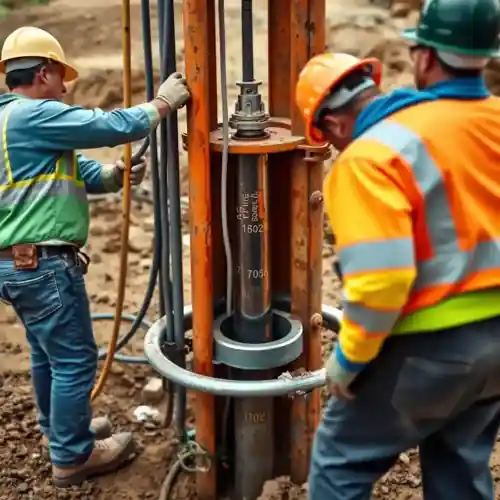
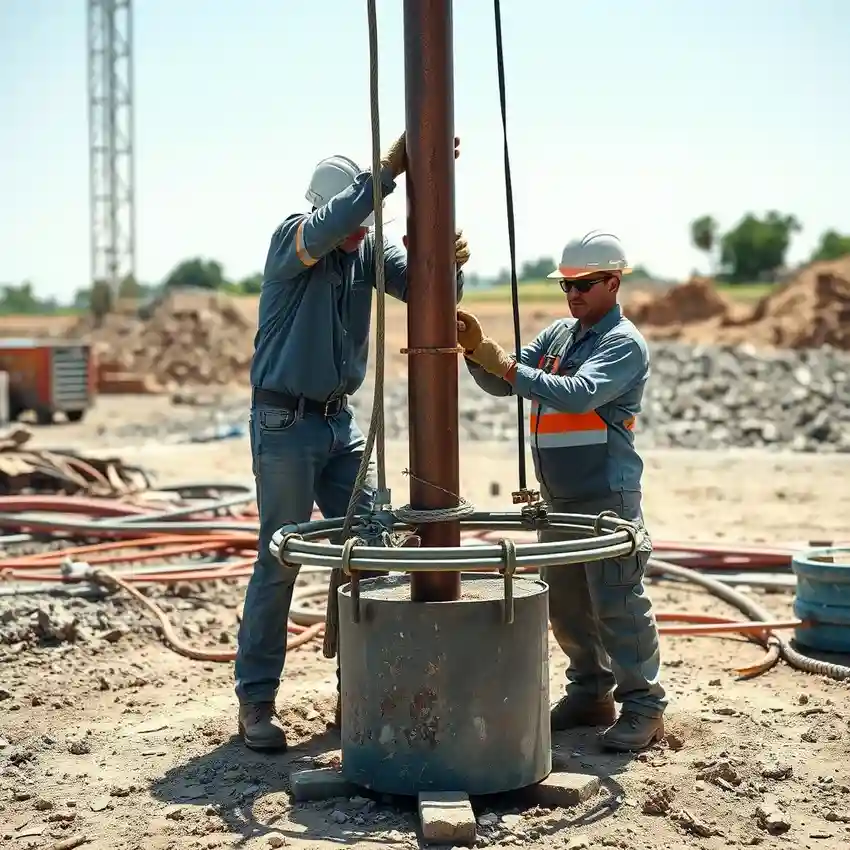
Our approach in Nashville begins with a comprehensive site assessment to understand the specific subsurface conditions, which dictate the appropriate water well drilling technique. We analyze regional geological maps, local well logs, and surface features to identify the most promising locations for accessing productive water-bearing zones within the local carbonate rock aquifers. The drilling process is then meticulously planned, selecting between rotary and percussion methods based on the anticipated rock hardness and depth to water, ensuring efficient penetration and proper well construction.
Reference Technical Parameters
| Parameter | Reference Value |
|---|---|
| Predominant Soil Type | Clayey silt and weathered rock overburden |
| Typical Bedrock Depth | 20 - 50 ft (variable) |
| Maximum Seismic Acceleration (PGA) | Site Class D dependent, per IBC |
| Typical Groundwater Level | 50 - 200 ft below ground surface |
| Typical Rock Quality (RQD) | Variable, based on fracture density |
Local Considerations — Nashville
1. **Geology & Aquifers**: Nashville's primary groundwater sources are within fractured limestone and shale of the Central Basin. Understanding fracture patterns is key to well yield. 2. **Water Table Depth**: Highly variable, from shallow depths in river valleys to over 200 feet in upland areas, necessitating detailed pre-drilling assessment. 3. **Seismic Activity**: Located in a region with moderate seismic risk, well design and construction must consider ground stability, especially for deeper installations. 4. **Urban vs. Rural Contrast**: In urban areas, well placement must avoid underground utilities and consider potential contamination, while rural sites offer more flexibility but may have less existing hydrogeological data. 5. **Typical Case**: A common scenario involves drilling through 20-50 feet of soil and weathered rock before entering competent bedrock where the main water-bearing fractures are located, a process where a preliminary hydrogeological survey is invaluable. For complex projects across the Southeast, our team's expertise in water well drilling in Atlanta provides additional regional insight.
Request a Quote
Our team reviews your project and issues an initial report at no cost.
Or write us directly at [email protected]
Services in Nashville
Applicable Standards
- Tennessee Department of Environment & Conservation (TDEC) Rules
- Local Metro Nashville Codes
- International Building Code (IBC) Seismic Provisions
- ASTM Standards for Well Construction
Frequently Asked Questions
How does Nashville's geology impact water well drilling?
Nashville's geology is dominated by carbonate rocks (limestone and shale). Successful drilling depends on intersecting water-bearing fractures within this bedrock. The overlying soil and weathered rock layer thickness varies significantly, impacting drilling time and method. A site-specific understanding of this geology is essential for predicting well yield and constructing a durable well.
Are there specific seismic considerations for wells in Nashville?
Yes. While not in a high seismic zone, Nashville is subject to moderate seismic risk. Well design, particularly the grouting and casing installation, must account for potential ground movement to maintain well integrity and prevent aquifer contamination, aligning with broader building code principles for infrastructure.
Is a permit required for drilling a water well in Nashville?
Absolutely. All water well drilling in Tennessee requires a permit from the Tennessee Department of Environment & Conservation (TDEC). The process involves submitting a well construction application, and the completed well must be certified by a licensed driller. Compliance ensures water resource protection and well safety.