Methodology
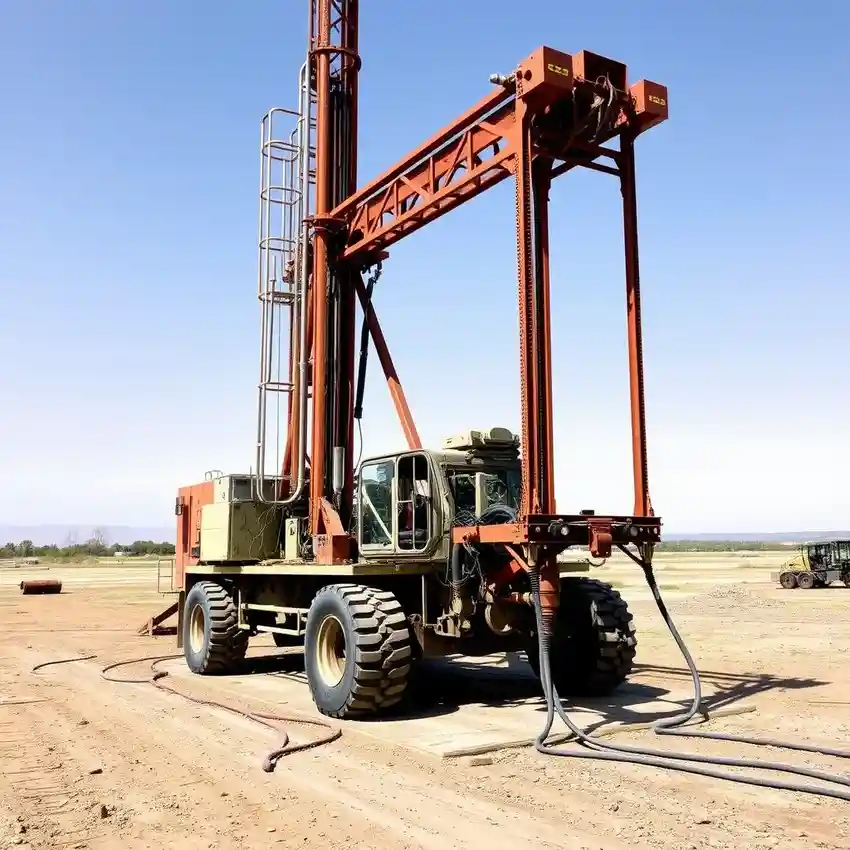
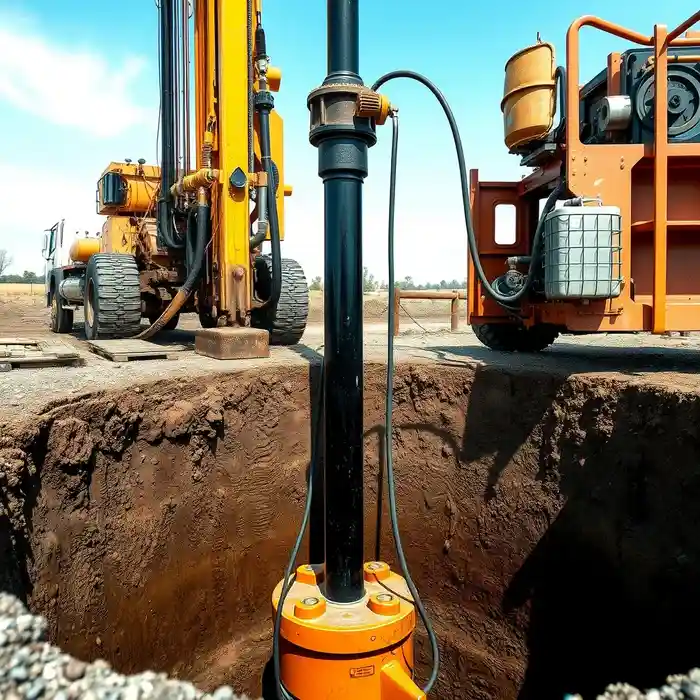
Our approach to water well drilling in Birmingham begins with a regional assessment of the geological formations, primarily the Pottsville Formation of the Pennsylvanian age, which dictates drilling strategy. We prioritize site evaluation to identify fracture zones within the sandstone and shale sequences that yield sustainable water. The drilling process is then tailored, often utilizing rotary or cable tool methods suited to the hard rock conditions, followed by systematic development to ensure optimal well performance and longevity.
Reference Technical Parameters
| Parameter | Reference Value |
|---|---|
| Predominant Bedrock Type | Sandstone and Shale (Pottsville Formation) |
| Typical Bedrock Depth | Surface to 50 ft (variable with topography) |
| Typical Groundwater Level | 50 - 300 ft below ground surface |
| Maximum Seismic Acceleration (PGA) | 0.1g - 0.2g (Site Class Dependent) |
| Typical Fracture Yield | 2 - 25 gallons per minute |
Local Considerations — Birmingham Alabama
Birmingham's geology is characterized by folded and faulted sedimentary rock, primarily sandstone and shale, which host groundwater in fractures. The static water level can vary significantly, from shallow depths in valley alluvium to several hundred feet in upland areas. Seismic activity, while moderate, is a consideration for well casing integrity in this region. A key local challenge is the unpredictable yield from fractured bedrock, making a preliminary hydrogeological survey critical for project feasibility. For complex projects requiring specialized equipment and broader regional expertise, consider our established water well drilling services from our Atlanta hub. Successful well completion here often depends on precise pump installation matched to the specific drawdown characteristics of the fractured rock aquifer.
Request a Quote
Our team reviews your project and issues an initial report at no cost.
Or write us directly at [email protected]
Services in Birmingham Alabama
Applicable Standards
- Alabama Department of Environmental Management (ADEM) Regulations
- Jefferson County Health Department Well Codes
- Alabama Water Well Standards Act
Frequently Asked Questions
What are the main geological factors affecting well drilling in Birmingham?
The primary factor is the fractured nature of the Pennsylvanian-age sandstone and shale bedrock. Water availability is not in a porous aquifer but within fractures and joints. Success depends on intersecting productive fracture zones, which requires understanding local structural geology, such as folds and faults, rather than simply drilling to a predetermined depth.
Are seismic design considerations required for water wells in Birmingham?
While not as stringent as in high-seismicity zones, the potential for seismic activity in the Southern Appalachian region means prudent engineering practice calls for proper well construction. This includes secure casing grouting and ensuring structural integrity to mitigate risks from ground shaking, aligning with general hydrogeological safety principles for built infrastructure.
Is a hydrological study mandatory before drilling a water well in Jefferson County?
While not always legally mandatory for every residential well, a site-specific evaluation is highly recommended and often essential. Given the unpredictable yield from fractured bedrock, a professional assessment of the local hydrogeology is the best way to determine probable well yield and optimal location, preventing costly dry or low-yield wells.