Methodology
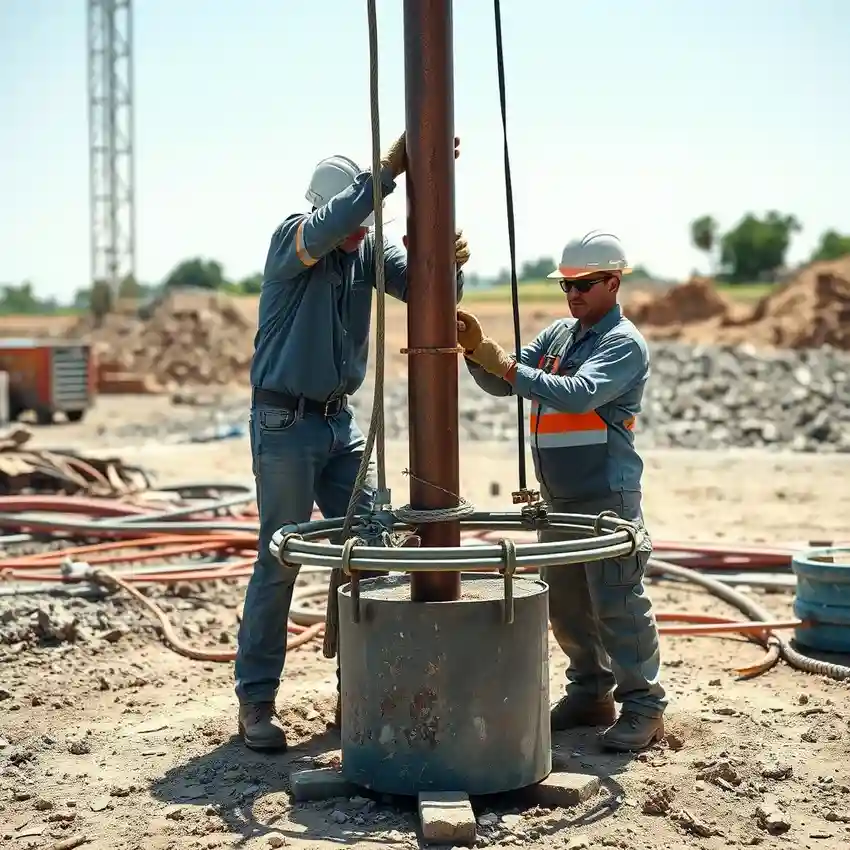
Our approach in Jacksonville begins with a thorough understanding of the local hydrogeology, primarily focusing on the Floridan Aquifer System. We assess site-specific conditions to determine the optimal depth and construction method for a sustainable well. The process integrates regional data with on-site evaluation to plan the water well drilling operation, ensuring proper well casing, screen selection, and development to maximize yield and protect water quality, all while adhering to Florida Department of Environmental Protection (FDEP) and St. Johns River Water Management District guidelines.
Reference Technical Parameters
| Parameter | Reference Value |
|---|---|
| Predominant Soil Type | Sandy (coastal), Silty Clays (inland) |
| Typical Groundwater Level | 10 - 50 ft below surface |
| Bedrock (Limestone) Depth | 100 - 500 ft |
| Maximum Seismic Acceleration (PGA) | 0.1 - 0.2g (Low Seismicity) |
| Primary Aquifer System | Floridan Aquifer (Upper Floridan) |
Local Considerations — Jacksonville
Jacksonville's geology is characterized by sandy surficial soils overlying limestone and dolomite of the Floridan Aquifer. The water table is generally shallow, especially near the St. Johns River and intracoastal waterways, influencing well design to prevent surface contamination. Seismic risk is low but considered in structural design. Contrasts exist between the well-drained sandy soils of the Westside and the more organic, near-surface water conditions in areas like Baymeadows. A preliminary hydrogeological survey is often critical for commercial projects to accurately target productive zones. For major regional operations, see our dedicated hub for water well drilling services from our Atlanta team.
Request a Quote
Our team reviews your project and issues an initial report at no cost.
Or write us directly at [email protected]
Services in Jacksonville
Applicable Standards
- Florida Department of Environmental Protection (FDEP) Chapter 62-532
- St. Johns River Water Management District Permitting
- Duval County Well Construction Codes
Frequently Asked Questions
What are the common soil types encountered during well drilling in Jacksonville?
The near-surface geology typically consists of loose to medium-dense sands, shell fragments, and occasional layers of clay or organic material. These surficial sediments overlie the consolidated limestone of the Floridan Aquifer. The sandy nature requires careful well development to prevent sand pumping, while the limestone bedrock provides the primary water-bearing zone for most production wells.
Are there specific seismic design considerations for wells in Jacksonville?
While Jacksonville is in a region of low seismic activity, design standards account for potential ground motion. Well casing and surface seal designs incorporate factors of safety to ensure integrity under dynamic loads, aligning with best practices for infrastructure resilience, though seismic demands are significantly lower than in more active zones like the West Coast.
Is a hydrogeological study mandatory before drilling a water well in Jacksonville?
For most standard residential wells on single-family lots, a full study may not be mandated, but site evaluation is always performed. For commercial, agricultural, or high-yield wells, or those in designated water resource caution areas, a formal assessment and permitting from the St. Johns River Water Management District is typically required to ensure sustainable aquifer withdrawal and proper well construction.