Methodology
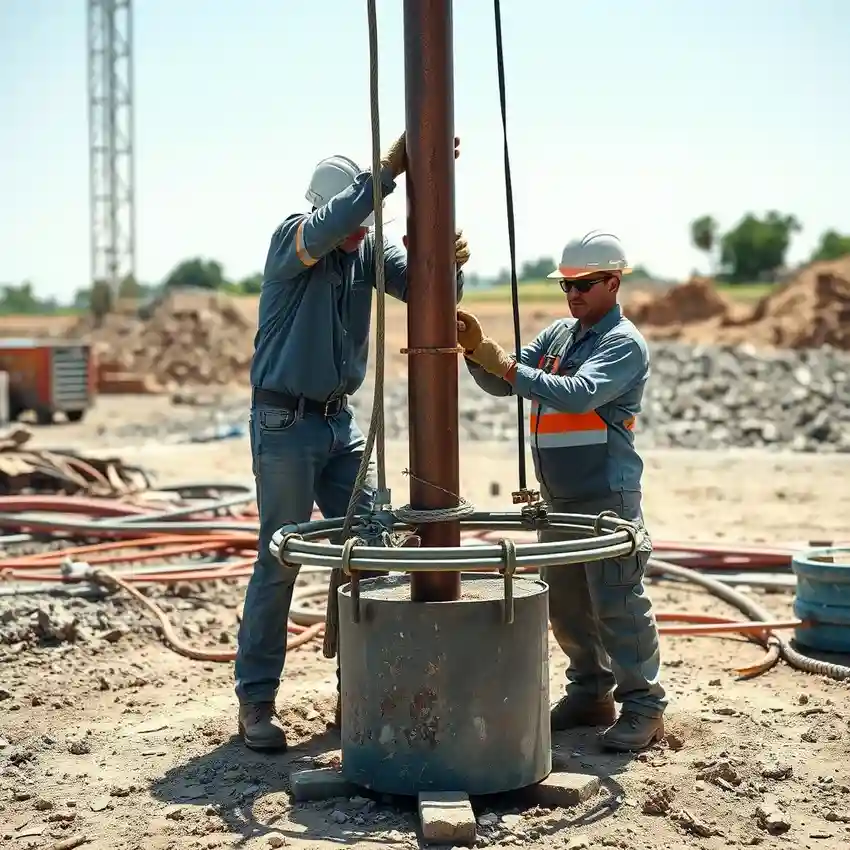
Our approach in Norfolk begins with a comprehensive assessment of the site's potential within the context of the Atlantic Coastal Plain aquifer system. We integrate regional geological data with site-specific reconnaissance to evaluate the depth to the water table, the thickness of the aquifer sands, and the potential for saltwater encroachment. This foundational analysis informs the precise planning and execution of the water well drilling process, from selecting the appropriate drilling method to determining the optimal well depth and screen placement to maximize yield and protect water quality.
Reference Technical Parameters
| Parameter | Reference Value |
|---|---|
| Predominant Soil Type | Unconsolidated sands, silts, and clays |
| Typical Groundwater Level | Shallow to moderate depth, variable with topography |
| Bedrock Depth | Deeply buried (several hundred feet) |
| Maximum Seismic Acceleration (PGA) | Moderate, site-specific evaluation required |
| Aquifer System | Atlantic Coastal Plain aquifers |
Local Considerations — Norfolk
Norfolk's geology presents distinct considerations for groundwater development. The area is underlain by unconsolidated sediments of the Coastal Plain, with interbedded sands, clays, and gravels. The water table is generally shallow but can exhibit tidal influence near the shorelines. Seismic risk, while moderate, requires design consideration for well casing integrity. In neighborhoods like Ocean View, the proximity to saltwater bodies necessitates careful well design and depth to prevent saline intrusion, whereas areas further inland may target deeper, confined aquifers. A thorough hydrogeological survey is critical here to identify the correct aquifer horizon and ensure a sustainable, high-quality water supply, contrasting with projects in other regions like our comprehensive water well drilling services based in Philadelphia.
Request a Quote
Our team reviews your project and issues an initial report at no cost.
Or write us directly at [email protected]
Services in Norfolk
Applicable Standards
- Virginia Department of Health (VDH) Water Well Regulations
- Local Norfolk County Codes
- ASTM Drilling Standards
Frequently Asked Questions
What are the main soil and aquifer challenges for drilling a water well in Norfolk?
The primary challenges involve drilling through the unconsolidated, often loose, sands and clays of the Coastal Plain sequence without cave-in. Furthermore, accurately identifying and isolating the productive freshwater sand layers from saline water zones is critical. Proper well construction and development are essential to prevent sand pumping and ensure clear water.
Are there specific seismic design requirements for wells in this area?
While not in a high seismic zone like the West Coast, Norfolk is subject to seismic events. Well design should consider ground shaking potential. This often involves ensuring proper grouting and casing selection to maintain well integrity during seismic activity, adhering to prudent engineering practices for infrastructure resilience.
Is a permit always required before drilling a water well in Norfolk?
Yes. A permit from the Virginia Department of Health or the local county health department is mandatory before any drilling begins. The process requires submitting a well application with site details. Our team manages this permitting process, ensuring all local and state regulations for [pump installation](/pump-installation/) and well construction are meticulously followed.