Methodology
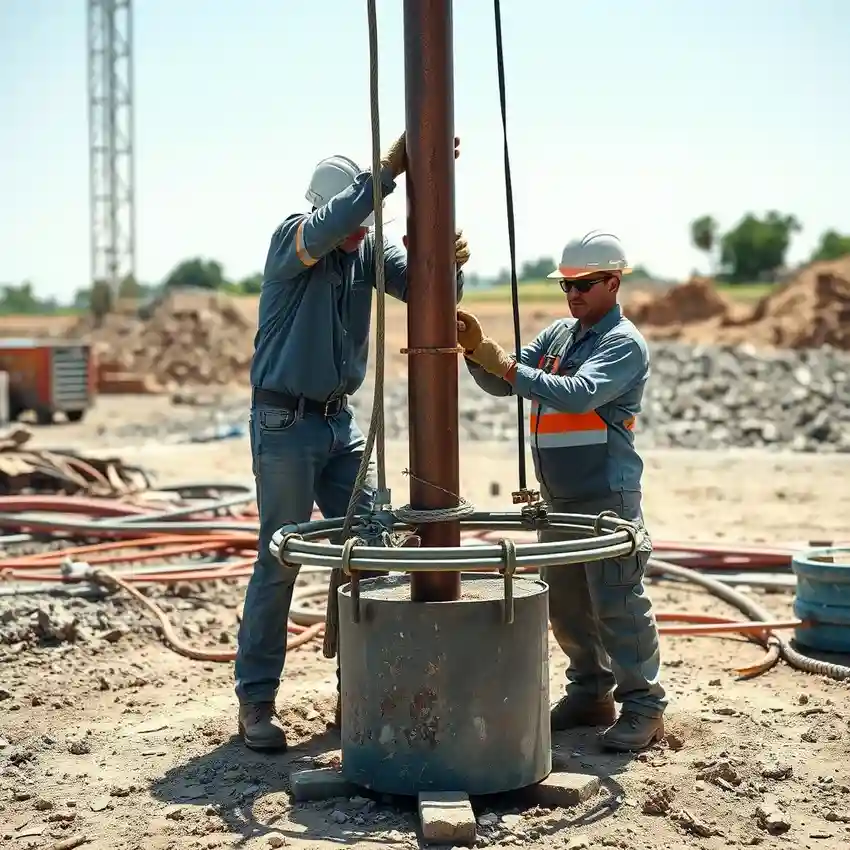
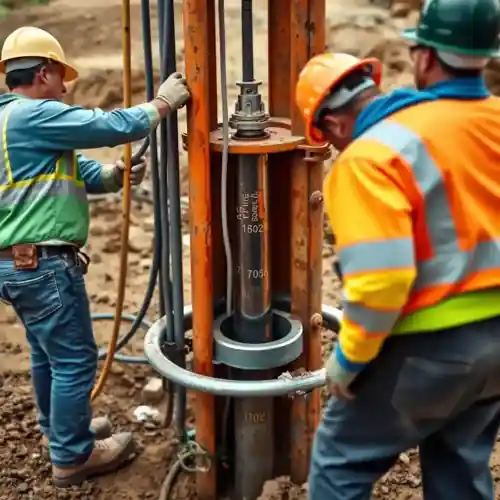
Our approach in Raleigh begins with a thorough site evaluation to understand the local hydrogeological context. We assess factors such as proximity to known aquifer systems, potential surface contamination sources, and property-specific needs. This initial assessment informs the strategic planning of the water well drilling process. We employ drilling techniques suitable for the varied subsurface conditions, from the weathered saprolite of the Piedmont to the unconsolidated sediments of the Coastal Plain fringe. Each phase is documented to ensure compliance with state well construction standards.
Reference Technical Parameters
| Parameter | Reference Value |
|---|---|
| Predominant Soil/Rock Type | Weathered Saprolite, Granitic Bedrock, Coastal Plain Sediments |
| Typical Bedrock Depth | 5 to 30 meters (highly variable) |
| Typical Groundwater Level | 3 to 30+ meters below surface |
| Maximum Seismic Acceleration (PGA) | Low to Moderate (site-specific evaluation required) |
| Typical Standard Penetration Test (SPT) N60 Range | Variable; 5-30 in saprolite, 50+ in sound rock |
Local Considerations — Raleigh
1. **Geology & Aquifers**: Raleigh sits on the 'Fall Line,' where crystalline bedrock of the Piedmont meets the sedimentary layers of the Coastal Plain. Primary targets include the fractured bedrock aquifers and the shallower surficial aquifers in sedimentary areas. 2. **Groundwater Depth**: Water levels are highly variable, from a few meters in low-lying areas to over 30 meters in elevated Piedmont terrain, necessitating precise hydrogeological survey for accurate targeting. 3. **Seismic Activity**: While considered low risk, Raleigh is in a region with potential for seismic events; well construction considers general structural integrity. 4. **Neighborhood Contrast**: Well yield and depth can differ significantly between areas underlain by hard rock versus those with thick sand and clay sequences. 5. **Typical Cases**: Residential properties often seek supplemental water sources, while agricultural operations on the city's outskirts require higher-yield wells for irrigation. For major urban projects, our primary hub coordinates complex operations, as seen with our water well drilling team operating from Philadelphia.
Request a Quote
Our team reviews your project and issues an initial report at no cost.
Or write us directly at [email protected]
Services in Raleigh
Applicable Standards
- North Carolina Well Construction Act
- NC DEQ Groundwater Standards
- Local Wake County Environmental Regulations
Frequently Asked Questions
What are the main soil and rock conditions for water well drilling in Raleigh?
Raleigh's subsurface is defined by the Fall Line. Westward, you encounter weathered crystalline rock (saprolite) over hard granite or metamorphic bedrock, requiring drilling capable of penetrating rock. Eastward, unconsolidated layers of sand, clay, and gravel dominate. The correct identification of this interface is crucial for selecting drilling methods and predicting well performance.
Are there specific seismic codes that affect well construction here?
While not as stringent as in high-seismicity zones, general engineering principles for durability and protection of the well casing from ground movement are applied. The primary regulatory focus remains on sanitary construction to protect groundwater quality, as per NC DEQ rules, though site-specific hydrogeological reviews may be advised for critical infrastructure.
Is a hydrogeological study mandatory before drilling a water well in Raleigh?
While not always mandated by law for single residential wells, a professional site evaluation is highly recommended. Given the geological variability, such a study identifies the optimal drilling location and target aquifer, estimates potential yield, and assesses contamination risks, ultimately saving time and resources and ensuring a reliable water supply. It is often a prerequisite for obtaining the required permit.