Methodology
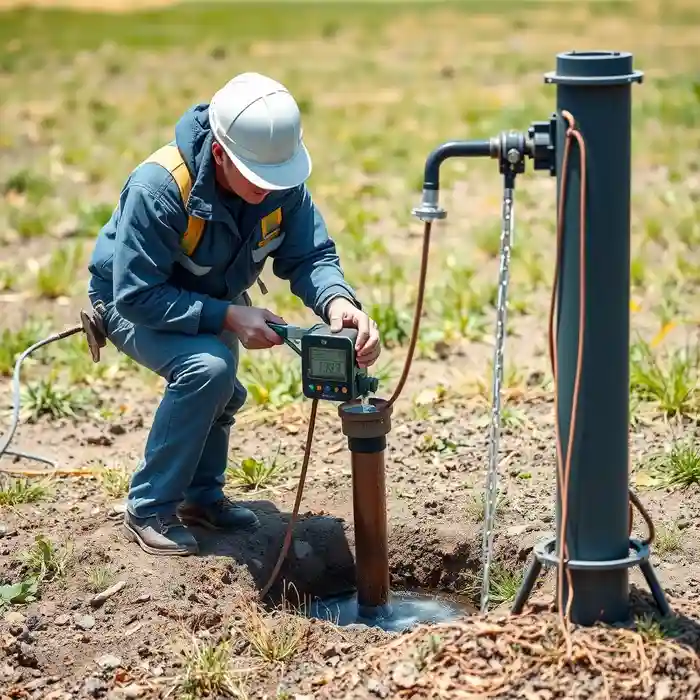
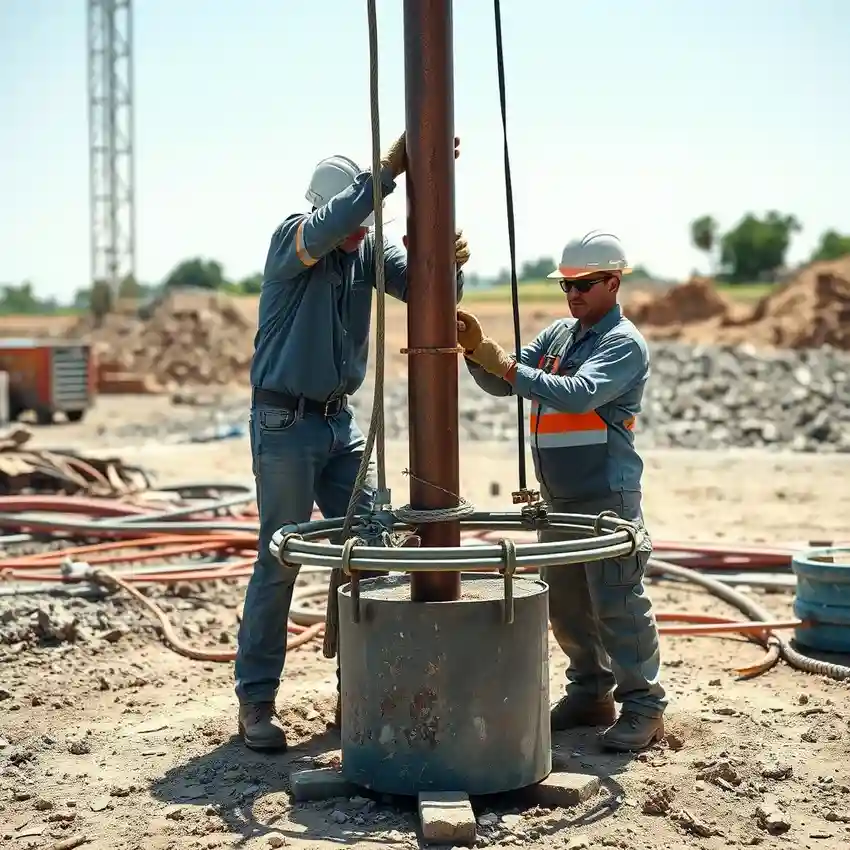
Our approach in Washington Dc begins with a comprehensive review of existing geological surveys and well logs to understand the subsurface profile. We then conduct a targeted field reconnaissance to confirm conditions before mobilizing drilling equipment suited for the expected materials, from unconsolidated sands and clays to hard metamorphic rock. The precise execution of the water well drilling process is critical, as improper techniques in these variable soils can lead to well instability or insufficient yield. We adhere to a strict protocol of logging, sampling, and development to ensure well integrity and performance from day one.
Reference Technical Parameters
| Parameter | Reference Value |
|---|---|
| Predominant Soil Type | Coastal Plain: Sands/Clays; Piedmont: Saprolite over Crystalline Bedrock |
| Bedrock Depth (Typical Range) | Coastal Plain: 100-300 ft; Piedmont: 0-100 ft |
| Typical Groundwater Level | 10-50 ft below ground surface (variable) |
| Maximum Seismic Acceleration (PGA) | 0.10-0.15g (Site Class D) |
| Typical Standard Penetration Test (N60) Range | Coastal Plain: 5-30; Piedmont Saprolite: 15-50 |
Local Considerations — Washington Dc
Washington Dc's geology is split between the Atlantic Coastal Plain (southeast) and the Piedmont Plateau (northwest), creating vastly different drilling conditions within short distances. Groundwater levels are generally shallow but can fluctuate seasonally, especially near the Potomac River. Seismic risk, though moderate, requires design consideration for well casing integrity. In areas like Georgetown, perched water tables in fill soils are common, while in Capitol Hill, drilling may encounter artesian pressure in the Coastal Plain aquifers. A thorough hydrogeological survey is non-negotiable here to avoid costly mistakes and ensure regulatory compliance, much like the foundational work we perform for water well drilling services from our Philadelphia hub.
Request a Quote
Our team reviews your project and issues an initial report at no cost.
Or write us directly at [email protected]
Services in Washington Dc
Applicable Standards
- District of Columbia Building Code (DCBC)
- EPA Underground Injection Control (UIC) Regulations
- ASTM D5092 (Standard Penetration Test)
- AWWA Standards for Water Wells
Frequently Asked Questions
How does the soil type in Washington Dc affect well drilling?
The soil type dictates the drilling method, casing requirements, and well development technique. In the Coastal Plain's unconsolidated sands, careful screen selection and filter pack design are crucial to prevent sanding. In the Piedmont's weathered rock, air-rotary drilling is often required, and identifying competent bedrock for screen placement is key to achieving sustainable yield.
Is seismic design a factor for water wells in Washington Dc?
Yes. While not in a high seismic zone like the West Coast, the District has a defined seismic hazard. The DCBC references seismic design categories, which can influence well construction, particularly the grouting and casing design, to ensure well integrity during seismic events, protecting both the infrastructure and groundwater quality.
Are geological studies mandatory before drilling a well in the District?
While not always mandated by code for every single-family well, a professional geological or hydrogeological study is a critical de facto requirement. The complex subsurface and regulatory environment make it essential for predicting depth to water, identifying the proper aquifer, designing the well, and securing the necessary permits from District agencies.