Methodology
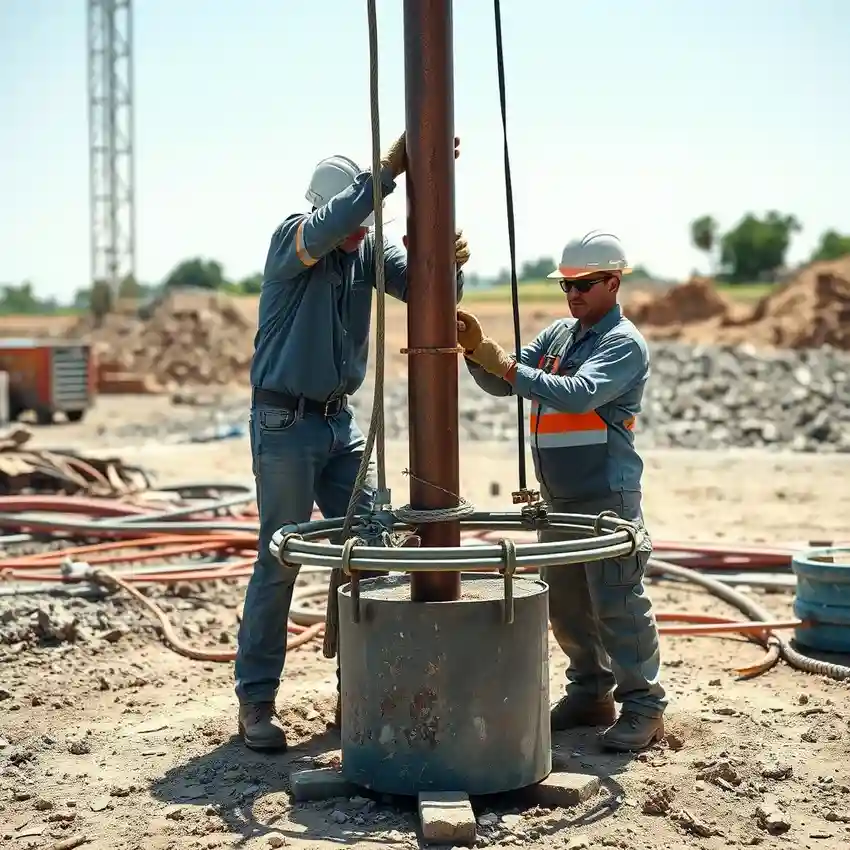
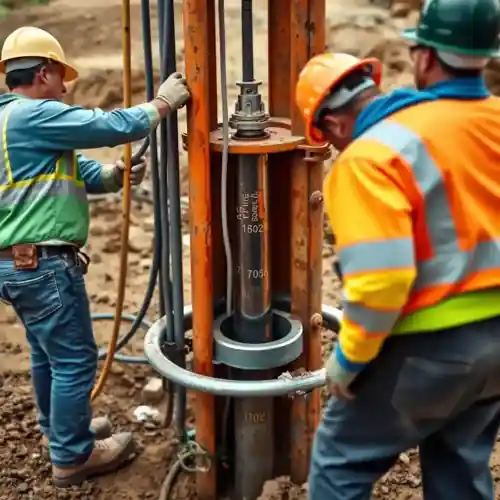
Our approach in Wilmington begins with a regional hydrogeological review to understand the interaction between the Columbia and Potomac aquifers. We then conduct a site-specific evaluation to determine the optimal depth and construction method for a sustainable well. This process integrates local knowledge of sediment layers with modern water well drilling techniques. The final design prioritizes both yield and long-term water quality, adhering to Delaware Department of Natural Resources and Environmental Control (DNREC) standards for well construction and isolation.
Reference Technical Parameters
| Parameter | Reference Value |
|---|---|
| Predominant Soil Type | Unconsolidated Sands, Silts, and Clays |
| Typical Groundwater Level | 10 - 30 ft below ground surface |
| Bedrock Depth | 200 - 1000 ft (crystalline basement) |
| Maximum Seismic Acceleration (PGA) | < 0.1g |
| Typical Aquifer Type | Unconfined to semi-confined |
Local Considerations — Wilmington Delaware
Wilmington's geology is characterized by unconsolidated sediments of the Atlantic Coastal Plain. The water table is generally shallow, often within 10-30 feet of the surface, but can vary significantly. Seismic risk is considered low, with minimal design impact. Contrasts exist between areas near the Delaware River, with potential for higher yields but also salinity concerns, and inland neighborhoods where finer sediments may reduce permeability. A typical challenge is constructing a well that provides adequate flow while properly sealing out surface water from these porous soils, a task where a thorough hydrogeological survey is critical. For major regional projects, our team often coordinates with our water well drilling operations based in Philadelphia.
Request a Quote
Our team reviews your project and issues an initial report at no cost.
Or write us directly at [email protected]
Services in Wilmington Delaware
Applicable Standards
- Delaware Well Construction Standards (DNREC)
- Safe Drinking Water Act (Federal)
- Delaware Regulations Governing Public Water Systems
Frequently Asked Questions
What are the primary soil and aquifer conditions for water well drilling in Wilmington?
Wilmington sits on the Atlantic Coastal Plain, characterized by layered sequences of sand, silt, clay, and gravel. These form prolific but often unconfined aquifers, such as the Columbia Aquifer. The unconsolidated nature means well design must carefully address sand intrusion and proper sanitary sealing to protect water quality.
Are seismic design factors a major consideration for wells in Wilmington?
No. Wilmington is located in a region of very low seismic activity. Seismic ground motion parameters are not a governing factor in the structural design of residential or commercial water wells in this area, unlike in more active tectonic zones.
Is a hydrogeological study mandatory before drilling a water well in Delaware?
While not always mandated by law for single-family homes, a professional hydrogeological study is highly recommended and often required by lending institutions. It is crucial for identifying the appropriate aquifer, estimating sustainable yield, and ensuring the well's location meets setback requirements from potential contamination sources.