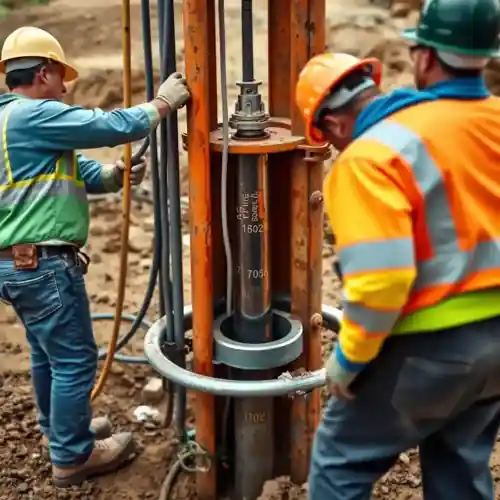
Methodology
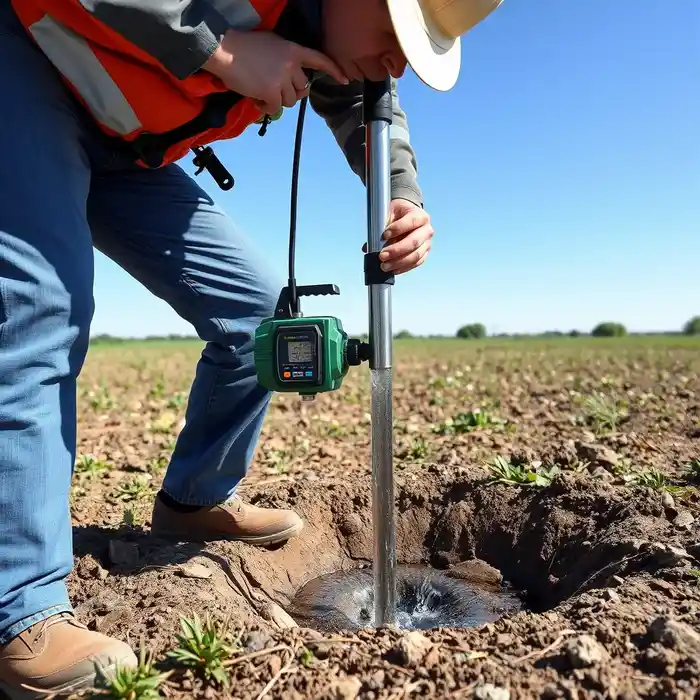
Our approach in the Buffalo area begins with a thorough review of existing geological survey data and county well logs. We then proceed with site-specific investigation to identify the optimal aquifer target, whether it's the shallow overburden or a deeper bedrock formation. The actual water well drilling process is tailored to the subsurface conditions, employing rotary or percussion methods as appropriate. We meticulously case and seal the well to prevent contamination from surface water or between aquifers, a critical step in areas with complex stratigraphy. Each project concludes with development and testing to verify yield and water quality.
Reference Technical Parameters
| Parameter | Reference Value |
|---|---|
| Predominant Soil Type | Glacial Till / Lacustrine Clay |
| Typical Groundwater Level | 10 - 50 ft (variable seasonally) |
| Bedrock Depth (Lockport Dolomite) | 0 - 150 ft (highly variable) |
| Maximum Seismic Acceleration (PGA) | Site Class Dependent per IBC |
| Typical SPT N60 Range in Till | 20 - 50 blows/ft |
Local Considerations — Buffalo
Buffalo's groundwater landscape is shaped by its glacial history. The soil profile typically consists of soft lacustrine clays and silts near the surface, underlain by dense glacial till, which can challenge drilling progress. The water table is generally shallow but can fluctuate seasonally. While seismic activity is moderate, site classification per building codes is essential. Neighborhoods like the Niagara Escarpment present hard dolomite bedrock close to the surface, requiring different techniques than areas in the lake plains with deeper overburden. A common scenario involves drilling through clay and till to reach a productive sand and gravel aquifer, a process where a precise hydrogeological survey is invaluable for predicting depth and yield. For comprehensive regional expertise, explore our hub for water well drilling services based in Philadelphia.
Request a Quote
Our team reviews your project and issues an initial report at no cost.
Or write us directly at [email protected]
Services in Buffalo
Applicable Standards
- New York State Department of Environmental Conservation (NYSDEC) Regulations
- Erie County Department of Health Standards
- New York State Building Code (IBC based)
Frequently Asked Questions
What are the common soil and bedrock conditions for water well drilling in Buffalo?
Buffalo's geology is dominated by glacial deposits. Drilling often encounters soft lake clays and silts over dense, bouldery glacial till. The depth to the primary bedrock aquifer, the Lockport Dolomite, varies significantly, from outcropping at the escarpment to over 150 feet deep in former lake beds. Understanding this layering is crucial for selecting the right drilling method and well design.
Are there specific seismic design considerations for well construction in this area?
While not in a high seismic zone like the West Coast, Western New York does experience seismic activity. Well construction must consider soil stability and liquefaction potential, especially in saturated, loose soils. The well casing and seal must be designed to maintain integrity under ground motion, adhering to prudent engineering practices outlined in state and local codes.
Is a hydrogeological study mandatory before drilling a water well in Erie County?
While not always mandatory for every single-family residential well, a professional hydrogeological study is highly recommended and is often required for commercial, agricultural, or high-yield wells. It is essential for determining aquifer suitability, predicting yield, and ensuring the well's design protects both the water resource and complies with NYSDEC and county health regulations.