Methodology
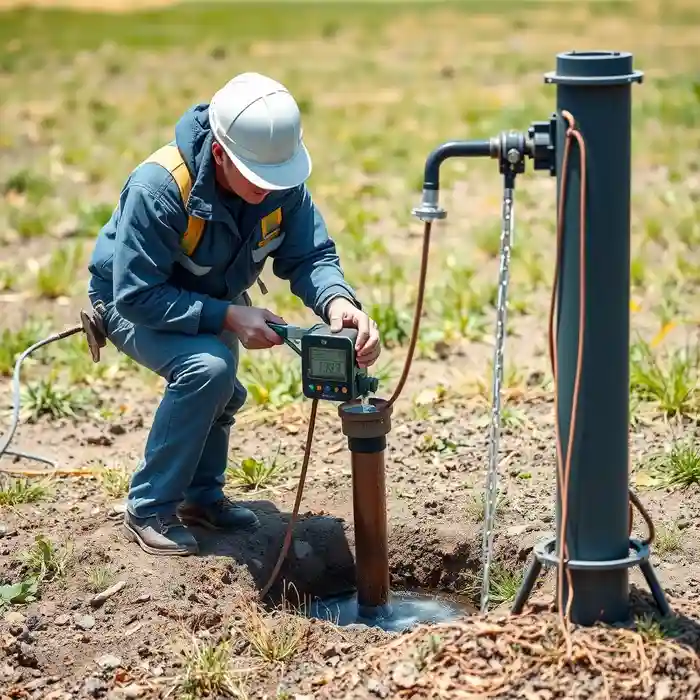
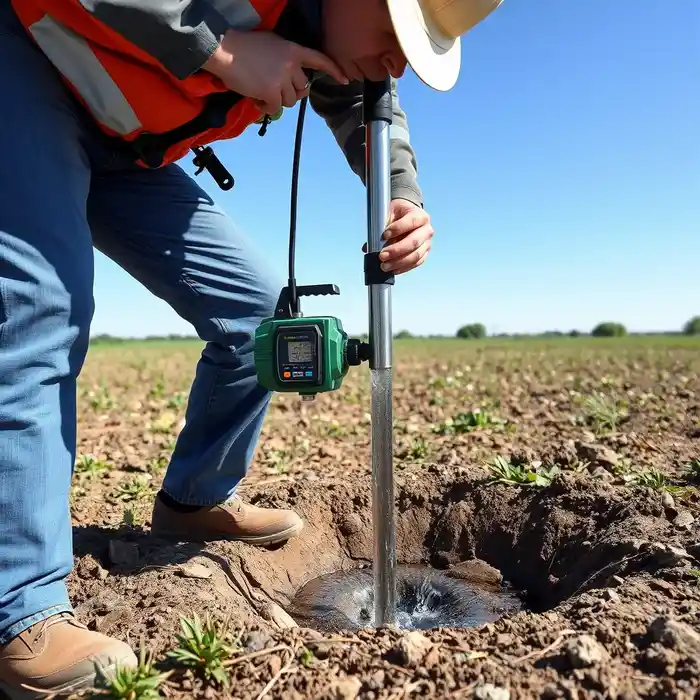
Our general methodology for projects in the Trenton area begins with a thorough review of existing geological surveys and well logs. We then proceed with site-specific investigation to confirm subsurface conditions before commencing drilling operations. The selection of drilling technique—whether rotary, cable tool, or auger—is determined by the anticipated geology, targeting water-bearing zones within the Lockatong Formation or Stockton sandstone. Throughout the process, we prioritize proper well construction, development, and testing to ensure optimal yield and longevity, adhering strictly to NJDEP well construction standards as part of our comprehensive water well drilling practice.
Reference Technical Parameters
| Parameter | Reference Value |
|---|---|
| Predominant Bedrock Type | Sandstone and Shale (Newark Basin) |
| Typical Bedrock Depth | 10 - 100 ft (Highly variable) |
| Typical Groundwater Level | 20 - 50 ft below surface |
| Maximum Seismic Acceleration (PGA) | 0.10g - 0.15g (Site-specific) |
| Typical Well Casing Diameter | 6" - 8" (Residential) |
Local Considerations — Trenton New Jersey
Trenton's unique geological and urban landscape demands specific considerations for well drilling. The subsurface is characterized by the Triassic-age sedimentary rocks of the Newark Basin, primarily sandstone and shale, which can present variable water yields. Groundwater levels are influenced by proximity to the Delaware River and its tributaries. Seismic activity, while moderate, is a factor in design due to the region's location within the Appalachian seismic zone. Neighborhoods on higher ground, like Hiltonia, may encounter different bedrock depths compared to lower areas near the Assunpink Creek. A critical first step for any project is a professional hydrogeological survey to assess these variables. For major regional projects, our primary operational hub provides extensive support; learn more about our capabilities through our water well drilling services based in Philadelphia.
Request a Quote
Our team reviews your project and issues an initial report at no cost.
Or write us directly at [email protected]
Services in Trenton New Jersey
Applicable Standards
- New Jersey Safe Drinking Water Act (N.J.A.C. 7:10)
- NJDEP Water Well Construction Standards
- Mercer County Health Department Codes
Frequently Asked Questions
What are the common soil and rock conditions encountered during well drilling in Trenton?
The Trenton area primarily sits on the Newark Basin, a geological formation consisting of interbedded sandstone, siltstone, and shale. Overburden often includes glacial till and alluvial deposits near waterways. The bedrock can be fractured, influencing water yield. The variable nature of these strata makes a pre-drilling geological assessment crucial for predicting drilling difficulty and potential water production zones.
Are there specific seismic design considerations for wells in this region?
While not a high seismic hazard zone like the West Coast, the Appalachian seismic zone does influence New Jersey. The seismic design category for Trenton requires consideration of ground motion. Our well construction practices account for this by ensuring proper grouting and casing installation to maintain well integrity under potential seismic loading, aligning with prudent engineering standards for infrastructure.
Is a permit always required for drilling a water well in Trenton, NJ?
Yes. A permit from the New Jersey Department of Environmental Protection (NJDEP) is mandatory before drilling any water well. The process requires submitting a well construction application by a licensed well driller. This regulatory step ensures well construction protects both the groundwater resource and public health, and it includes proper abandonment procedures for any existing wells on the property.