Methodology
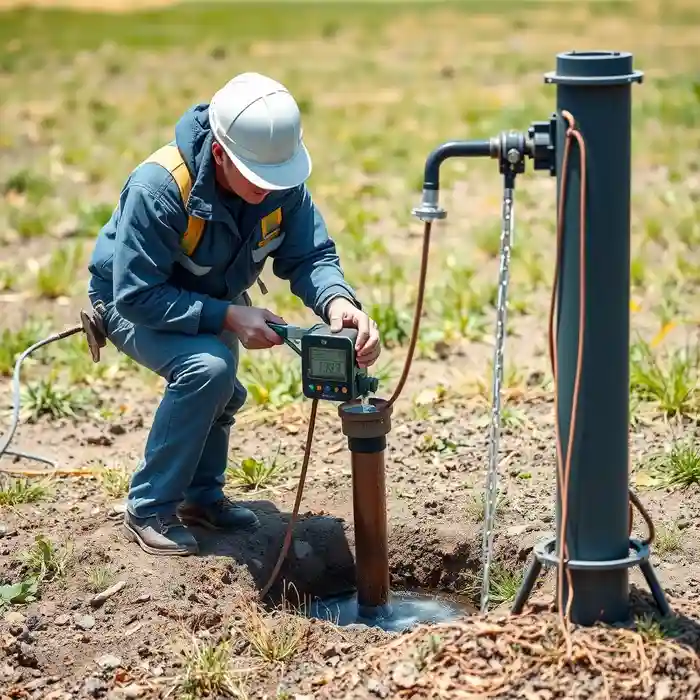
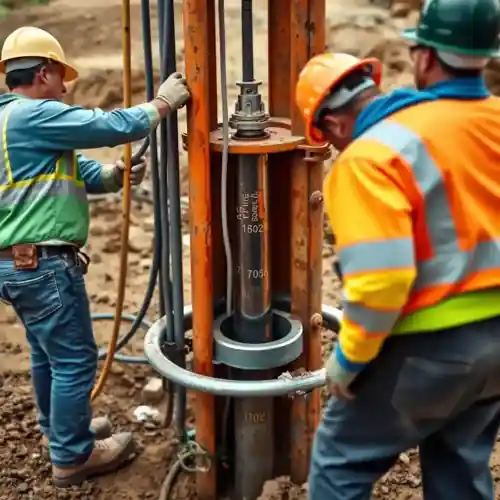
Our approach in Pittsburgh begins with a comprehensive site assessment to evaluate glacial overburden thickness and bedrock fracture patterns. We then proceed with the precise water well drilling phase, selecting techniques—such as rotary for unconsolidated materials or down-the-hole hammer for competent bedrock—based on the subsurface profile. Throughout the process, we conduct meticulous lithological logging and monitor drilling parameters. The well is then properly cased, developed to optimize specific capacity, and tested to determine sustainable yield, ensuring a long-lasting and efficient water source.
Reference Technical Parameters
| Parameter | Reference Value |
|---|---|
| Predominant Soil Type | Glacial Till (Clay, Silt, Sand, Gravel) |
| Bedrock Depth | 10 - 100 ft (Highly Variable) |
| Typical Groundwater Level | 10 - 50 ft below ground surface |
| Maximum Seismic Acceleration (PGA) | 0.10g - 0.15g (Site-Specific) |
| Typical N60 Range (SPT) | 15 - 50 (Till); >50 (Bedrock) |
Local Considerations — Pittsburgh
1. **Geology & Aquifers**: Pittsburgh's groundwater is sourced from complex, heterogeneous glacial deposits overlying fractured sandstone and shale bedrock. Yields are highly variable and depend on intersecting productive fracture zones. 2. **Groundwater Level**: The water table is generally shallow but can fluctuate significantly with topography and seasonal precipitation. 3. **Seismic Activity**: While moderate, localized seismic risk requires consideration in well design and construction practices, especially in areas with sensitive soils. 4. **Neighborhood Contrasts**: Hilltop locations may require deeper drilling into bedrock, while river valleys often involve navigating thick sequences of unconsolidated sediments, making a preliminary hydrogeological survey critical. 5. **Typical Cases**: A frequent challenge is drilling through dense clay till to reach the underlying fractured bedrock aquifer, which is the primary target for sustainable yield.
Request a Quote
Our team reviews your project and issues an initial report at no cost.
Or write us directly at [email protected]
Services in Pittsburgh
Applicable Standards
- Pennsylvania Code Title 25, Chapter 73 (Water Well Drillers License Act)
- Allegheny County Health Department Regulations
- Local Township Well Construction Ordinances
- ASTM Standards for Drilling & Testing
Frequently Asked Questions
What are the main soil and rock types encountered during water well drilling in Pittsburgh?
The subsurface typically consists of a variable-thickness layer of unconsolidated glacial till—a dense mixture of clay, silt, sand, and gravel—overlying the bedrock of the Pittsburgh region, primarily composed of fractured sandstones and shales. Successful well yield depends on intercepting water-bearing fractures within this bedrock.
Are seismic design considerations relevant for water wells in Pittsburgh?
While not in a high seismic zone like the West Coast, Pittsburgh has a history of low-to-moderate seismic activity. Proper well construction—including secure casing and grouting—is essential to maintain well integrity and prevent aquifer contamination during any ground motion, aligning with prudent engineering practice.
Is a hydrogeological study mandatory before drilling a water well in Allegheny County?
While not always mandated by code for every single-family residence, a professional hydrogeological study is highly recommended and often required by local townships or for commercial projects. It is a critical step to determine optimal well placement, predict yield, ensure regulatory compliance, and protect your investment from costly failures.