Methodology
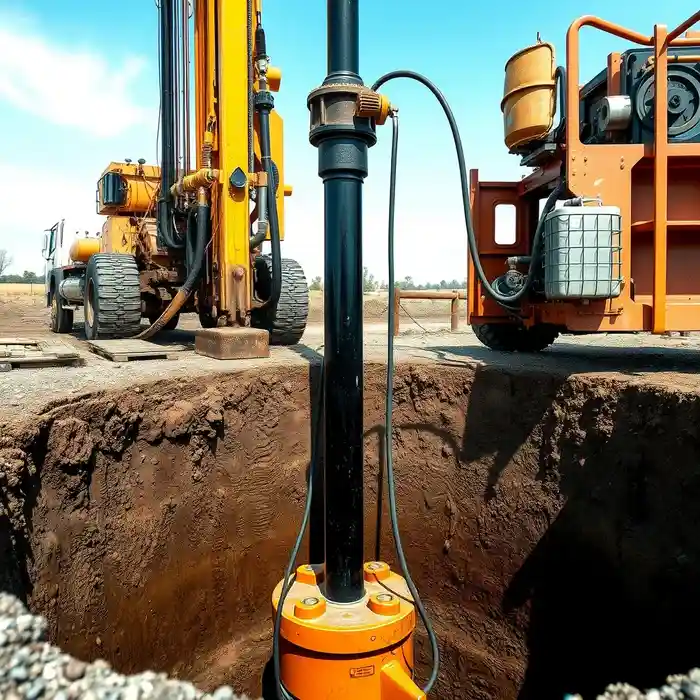
Our approach in Rochester begins with a thorough assessment of site-specific conditions, informed by regional hydrogeological maps and local drilling logs. We prioritize understanding the complex stratigraphy of glacial deposits—including till, outwash sands, and gravels—to identify optimal aquifer targets. The precise execution of the water well drilling process is then tailored to these conditions, ensuring a structurally sound and productive well that meets all state and county requirements for construction and water quality.
Reference Technical Parameters
| Parameter | Reference Value |
|---|---|
| Predominant Soil Type | Glacial Till, Outwash Sands & Gravels |
| Typical Bedrock Depth | 50 - 150 ft (variable) |
| Typical Groundwater Level | 10 - 50 ft below surface |
| Maximum Seismic Acceleration (PGA) | Site-Specific per NYSBC |
| Typical SPT N60 Range in Till | 20 - 50 blows/ft |
Local Considerations — Rochester
1. **Geology & Aquifers**: The primary water-bearing units are unconsolidated glacial deposits, particularly outwash sand and gravel aquifers, overlying shale and limestone bedrock. 2. **Groundwater Level**: The water table is generally shallow but can vary significantly with topography and proximity to Lake Ontario or the Genesee River. 3. **Seismic Context**: While not the most active zone, Rochester is subject to seismic design considerations per New York State building codes, influencing well casing design. 4. **Neighborhood Contrast**: Depth to productive aquifers can differ between the Lake Ontario plain and the elevated southern parts of the county, often requiring a tailored hydrogeological survey for optimal placement. 5. **Typical Challenges**: A common scenario involves navigating through dense glacial till to reach productive sand and gravel layers, which is a routine operation for our experienced team. For broader regional expertise, learn about our water well drilling services from our Philadelphia hub.
Request a Quote
Our team reviews your project and issues an initial report at no cost.
Or write us directly at [email protected]
Services in Rochester
Applicable Standards
- New York State Department of Environmental Conservation (NYSDEC) Regulations
- County of Monroe Health Department Standards
- New York State Building Code (Seismic Provisions)
Frequently Asked Questions
What are the main soil types in Rochester that affect well drilling?
The subsurface is dominated by Pleistocene glacial deposits. Drillers commonly encounter a sequence of dense glacial till, interspersed with layers of more permeable sand and gravel (outwash), which are the primary aquifers. Understanding this stratigraphy is crucial for predicting drilling difficulty and locating productive water zones.
Are seismic design factors considered for water wells in Rochester?
Yes. While seismic risk is moderate, New York State building codes include provisions for seismic design categories that can influence critical infrastructure. For wells, this may inform decisions on casing strength and grouting specifications to ensure integrity during a seismic event, especially for deeper or high-yield wells.
Is a hydrogeological study mandatory before drilling a well in Monroe County?
While not always mandated for every single-family residential well, a professional hydrogeological survey is highly recommended and is often required for commercial, industrial, or agricultural wells, or in areas with known water quality or quantity challenges. It is the best practice to ensure regulatory compliance and a successful project.