Methodology
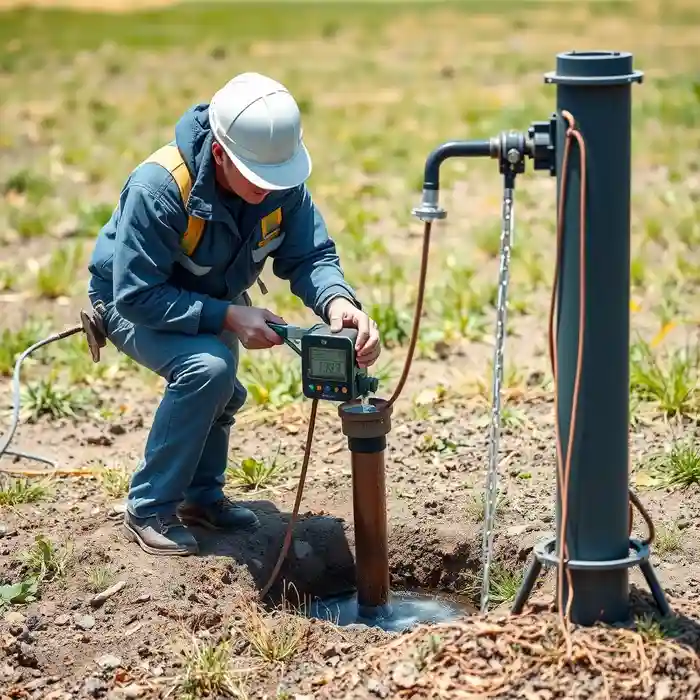
Our approach in Tacoma begins with a thorough review of existing geological surveys and well logs to understand the subsurface stratigraphy. We then employ site-specific investigative techniques to pinpoint optimal water-bearing zones within the complex glacial sequences. The actual water well drilling process is tailored to these conditions, often requiring careful techniques to penetrate through hard till layers and effectively develop wells in finer-grained sediments to maximize sustainable yield and ensure long-term performance.
Reference Technical Parameters
| Parameter | Reference Value |
|---|---|
| Predominant Soil Type | Heterogeneous Glacial Till, Outwash Sands & Gravels |
| Maximum Seismic Acceleration (PGA) | 0.4 - 0.6g (Site Class Dependent) |
| Typical Groundwater Level | Highly Variable (10 - 100+ ft below surface) |
| Bedrock Depth | 50 - 300+ ft (Tertiary Basalt/ Sedimentary) |
| Typical SPT N60 Range | 10 - 50 (Wide variation between till and sand layers) |
Local Considerations — Tacoma
1. **Geology & Aquifers**: Tacoma's groundwater is sourced from a complex sequence of Pleistocene glacial and interglacial deposits, primarily Vashon advance outwash (high-yield sands/gravels) and recessional deposits, overlying harder Tertiary bedrock. 2. **Water Table & Depth**: The water table is highly variable, influenced by topography and proximity to the Puget Sound; wells in upland areas may be deeper. 3. **Seismic Activity**: Located in a high seismic hazard zone, well design and construction must account for liquefaction potential in saturated, loose sediments. 4. **Neighborhood Contrasts**: Wells in the North End may encounter different till sequences than those in the South End or near the Puyallup River valley, impacting drilling strategy. 5. **Typical Cases**: A standard residential well often targets deeper outwash aquifers for consistent supply, requiring a detailed hydrogeological survey to navigate the heterogeneity. For broader regional expertise, our team also provides comprehensive water well drilling services from our Seattle hub.
Request a Quote
Our team reviews your project and issues an initial report at no cost.
Or write us directly at [email protected]
Services in Tacoma
Applicable Standards
- Washington State Water Code (RCW 90.44)
- Pierce County Health Department Well Standards
- International Building Code (IBC) - Seismic Provisions
Frequently Asked Questions
How does Tacoma's glacial geology affect water well drilling?
The layered sequence of dense Vashon till, permeable outwash sands, and lacustrine clays creates a discontinuous aquifer system. Successful drilling requires identifying and targeting specific sand and gravel lenses within the till, which demands expert interpretation of site data to avoid low-yield zones or zones susceptible to contamination.
What seismic considerations are unique to well construction in Tacoma?
Tacoma's high seismic hazard requires wells to be constructed to withstand ground shaking and potential liquefaction, especially in saturated loose sediments near water bodies. Proper well casing design, grouting, and isolation from unstable surface soils are critical to prevent well collapse or contamination during a seismic event.
Is a hydrogeological study mandatory before drilling a well in Tacoma?
While not always mandated by code for single-family residences, a professional hydrogeological study is strongly recommended and is often required for commercial or higher-yield wells. It is essential for securing a water right permit from the Washington State Department of Ecology and for ensuring a reliable, safe water supply given the complex subsurface conditions.