Methodology
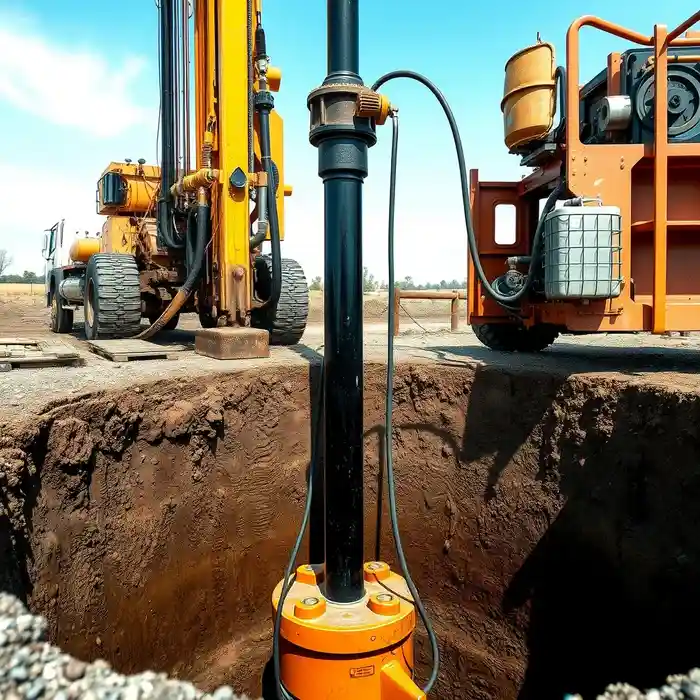
Our approach in Portland begins with a thorough review of existing hydrogeological data and Oregon Water Resources Department (OWRD) records. Site-specific evaluation considers the depth to the Troutdale Formation or deeper aquifers, which is critical for a successful water well drilling project. We employ drilling techniques suited to the local geology, such as rotary methods for harder formations and cable tool for detailed sampling in unconsolidated sediments. Each phase is documented to ensure compliance and to build a complete well log for the client.
Reference Technical Parameters
| Parameter | Reference Value |
|---|---|
| Predominant Near-Surface Soil Type | Silty clay, sandy loam, and gravelly deposits |
| Typical Depth to Bedrock | 50 - 200 feet (highly variable) |
| Maximum Seismic Acceleration (PGA) | 0.4g - 0.6g (per local code) |
| Typical Groundwater Level | 10 - 100 feet below ground surface |
| Typical SPT N60 Value Range | 5 - 30 blows/foot (variable by stratum) |
Local Considerations — Portland Oregon
1. Geology: The valley is underlain by hundreds of feet of Columbia River Basalt Group and older sedimentary units, overlain by unconsolidated Quaternary deposits. 2. Groundwater Level: Water tables vary significantly, from near-surface in floodplains to over 100 feet deep in elevated areas. 3. Seismicity: Portland is in a seismically active zone, requiring well casings and construction methods that consider liquefaction potential in sandy soils. 4. Neighborhood Contrast: Properties in the West Hills may require deeper drilling to bedrock, while sites in the Columbia Slough area face different water quality considerations. 5. Typical Cases: A standard residential well often targets the shallow, unconfined aquifer, but a hydrogeological survey is recommended to confirm yield and quality, especially for larger needs. For major regional projects, consider our expertise from our primary hub offering comprehensive water well drilling services from Seattle.
Request a Quote
Our team reviews your project and issues an initial report at no cost.
Or write us directly at [email protected]
Services in Portland Oregon
Applicable Standards
- Oregon Water Resources Department (OWRD) Well Construction Standards
- Oregon Administrative Rules (OAR) Chapter 690
- Local County Health Department Regulations
- State of Oregon Structural Specialty Code (Seismic Provisions)
Frequently Asked Questions
What soil conditions in Portland most affect well drilling?
The presence of large, hard basalt cobbles within the sedimentary layers is a primary challenge, potentially damaging drill bits and slowing progress. Additionally, sequences of fine-grained silts and clays can inhibit water yield and require careful screen placement to develop an efficient well.
How does Portland's seismic risk influence well construction?
Well construction must account for ground shaking and potential liquefaction in saturated, loose soils. This influences the selection of casing materials, grouting procedures, and the overall design to ensure the well's integrity and prevent aquifer contamination during a seismic event.
Is a hydrogeological study mandatory before drilling a well in Portland?
While not always mandatory for single-family residential wells, the OWRD strongly recommends and often requires a professional assessment for larger withdrawal rates, commercial use, or in areas with known water rights conflicts. A proper study is crucial for securing a water right permit.