Methodology
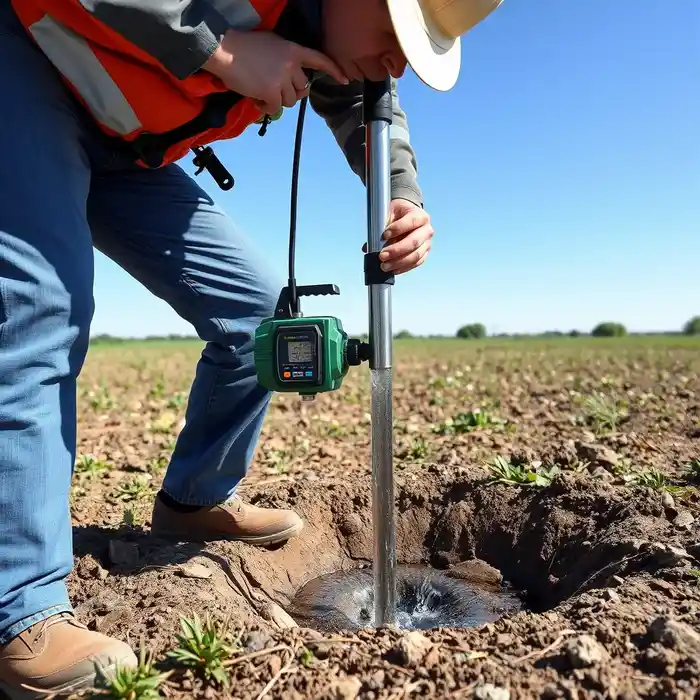
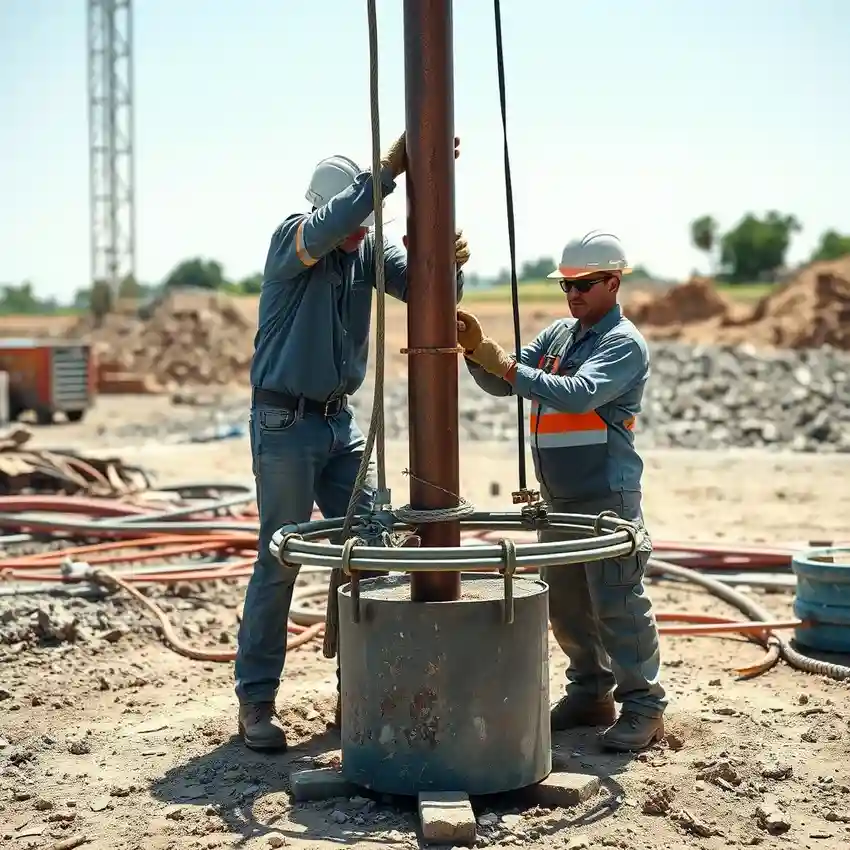
Our approach in Juneau begins with a thorough site assessment to understand the local subsurface conditions. We analyze historical data, topography, and geologic maps to identify the most promising zones for groundwater interception. The actual water well drilling process is then tailored to the specific geology, whether penetrating through dense glacial deposits or into the underlying fractured metamorphic bedrock. We employ meticulous techniques for well construction, development, and testing to confirm yield and water quality, ensuring a long-lasting installation.
Reference Technical Parameters
| Parameter | Reference Value |
|---|---|
| Predominant Soil Type | Glacial Till (Silty Sandy Gravel with Cobbles) |
| Typical Bedrock Depth | 10 - 50 ft (Highly Variable) |
| Maximum Seismic Acceleration (PGA) | 0.4g - 0.6g (High Seismic Zone) |
| Typical Groundwater Level | 5 - 30 ft below surface (Seasonally Variable) |
| Typical Standard Penetration Test N60 Value | 20 - 50 blows/ft in till |
Local Considerations — Juneau Alaska
Juneau's geology is dominated by glacial till and outwash overlying metamorphic bedrock, creating complex, discontinuous aquifers. Groundwater levels are highly variable, influenced by heavy precipitation and rapid runoff. Seismic activity is a critical design factor, requiring robust well construction. In areas like the Mendenhall Valley, thicker unconsolidated deposits may offer higher yields, while hillside properties often require deeper drilling into fractured rock. A professional hydrogeological survey is essential here to avoid the high cost of drilling a non-productive well. For major regional projects, our foundational work often begins with our water well drilling services from our Seattle hub.
Request a Quote
Our team reviews your project and issues an initial report at no cost.
Or write us directly at [email protected]
Services in Juneau Alaska
Applicable Standards
- Alaska Statutes Title 46 (Water, Air, Energy, and Environmental Conservation)
- Alaska Administrative Code 18 AAC 80 (Drinking Water)
- City and Borough of Juneau Building Codes
- International Building Code (IBC) with Alaska Amendments
Frequently Asked Questions
What are the main soil and rock challenges for drilling a well in Juneau?
The primary challenges are the heterogeneous glacial deposits, which contain boulders and cobbles that can damage drilling equipment, and the underlying hard, fractured metamorphic bedrock. These conditions require specialized drilling rigs and techniques, and make predicting water yield and well depth more complex than in uniform sedimentary aquifers.
How does Juneau's seismic activity affect well design?
Juneau is in a high seismic hazard zone. Well design must account for ground shaking and potential liquefaction in saturated soils. This influences the selection of well casing materials, the grouting and sealing procedures to prevent aquifer contamination during an event, and the overall structural integrity of the wellhead and any associated infrastructure.
Is a water rights permit required for a residential well in Juneau?
Yes. In Alaska, water is a public resource. A permit from the Alaska Department of Natural Resources (DNR) is typically required for any groundwater withdrawal, including for most residential wells. Our team is well-versed in the application process and can guide you through the necessary steps to ensure compliance.