Methodology
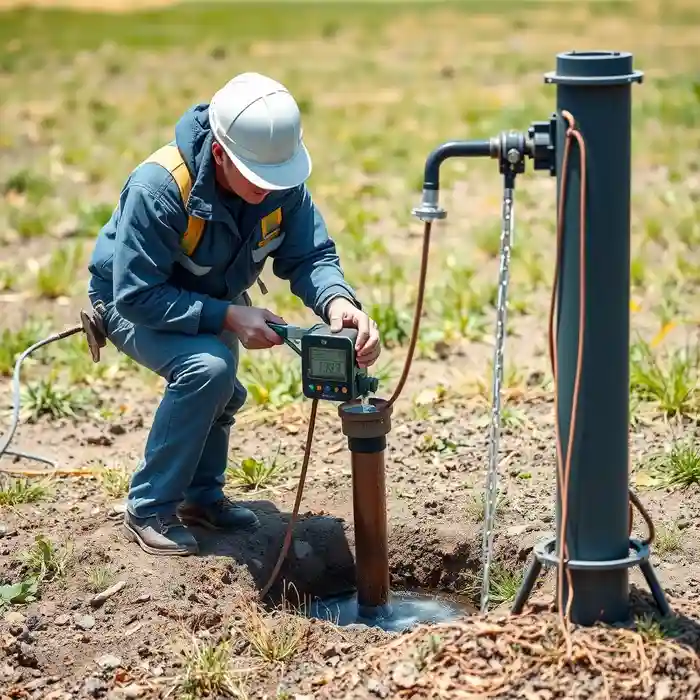
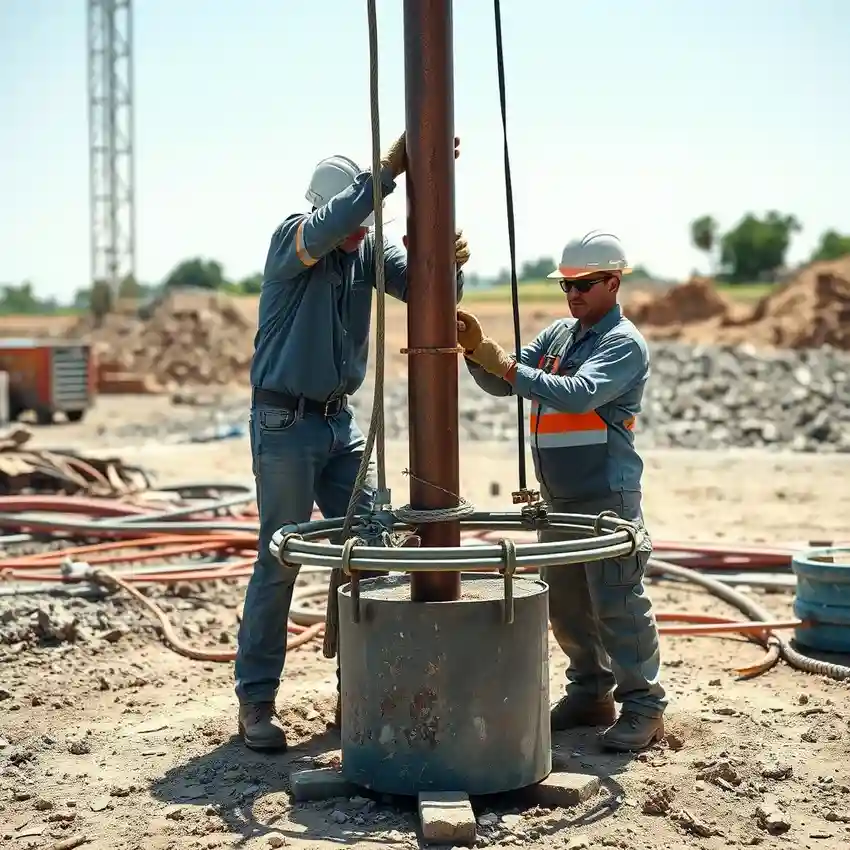
Our approach in the Boise area begins with a comprehensive assessment of the local aquifer systems, primarily within the Boise River Basin alluvium and the deeper, complex basalt formations. We integrate geological mapping and review of existing well data to identify optimal zones for water well drilling. The drilling process is tailored to the specific subsurface conditions, employing rotary or cable tool methods as appropriate, followed by proper well development to ensure maximum yield and longevity while protecting the aquifer's integrity.
Reference Technical Parameters
| Parameter | Reference Value |
|---|---|
| Predominant soil type | Alluvial sands and gravels overlying basalt |
| Maximum seismic acceleration (PGA) | 0.2g - 0.3g (Site Class D) |
| Typical groundwater level (ft bgs) | 20 - 100 ft (variable seasonally) |
| Bedrock depth (basalt) | 50 - 300+ ft |
| Typical aquifer transmissivity | 1,000 - 10,000 gpd/ft |
Local Considerations — Boise Idaho
1. **Geology & Aquifers**: The primary source is the unconsolidated, high-yield sediments of the Boise River Valley aquifer, underlain by the extensive Eastern Snake River Plain Basalt Aquifer, requiring different drilling strategies. 2. **Water Table**: Levels are generally shallow in the valley but have experienced seasonal and long-term declines due to agricultural and municipal pumping. 3. **Seismicity**: Located in a region of moderate seismic risk, well design must consider potential liquefaction in saturated sands and silts. 4. **Contrast by Area**: Well depth and yield vary significantly from the prolific valley center to the foothills, where bedrock is shallower. 5. **Typical Cases**: Many projects involve deepening existing wells or developing new ones for agricultural irrigation or to supplement municipal supply in growing suburbs, often requiring a detailed hydrogeological survey for permitting.
Request a Quote
Our team reviews your project and issues an initial report at no cost.
Or write us directly at [email protected]
Services in Boise Idaho
Applicable Standards
- Idaho Department of Water Resources (IDWR) Rules
- Local County Well Construction Standards
- Idaho State Plumbing Code
Frequently Asked Questions
What are the main soil and aquifer challenges for water well drilling in the Boise area?
The key challenge is navigating the heterogeneity of the valley-fill aquifer, consisting of interbedded sands, gravels, and clays, which can affect well screen design and development efficiency. Encountering basalt flows at depth requires robust drilling equipment and may influence final well yield and construction methods.
How does local seismicity influence well construction standards here?
While not in the highest seismic zone, the potential for ground shaking necessitates proper well casing grouting and secure surface completions to prevent wellhead damage or aquifer contamination during an event. Designs follow prudent engineering practices for the assessed seismic risk level.
Is a hydrogeological study mandatory before drilling a new well in Ada County?
While not always mandatory for single domestic wells, the IDWR or local county often requires a technical review and proof of adequate water availability for larger withdrawal rates, subdivisions, or in designated Critical Groundwater Areas. A professional assessment is strongly recommended to ensure regulatory compliance and project viability.