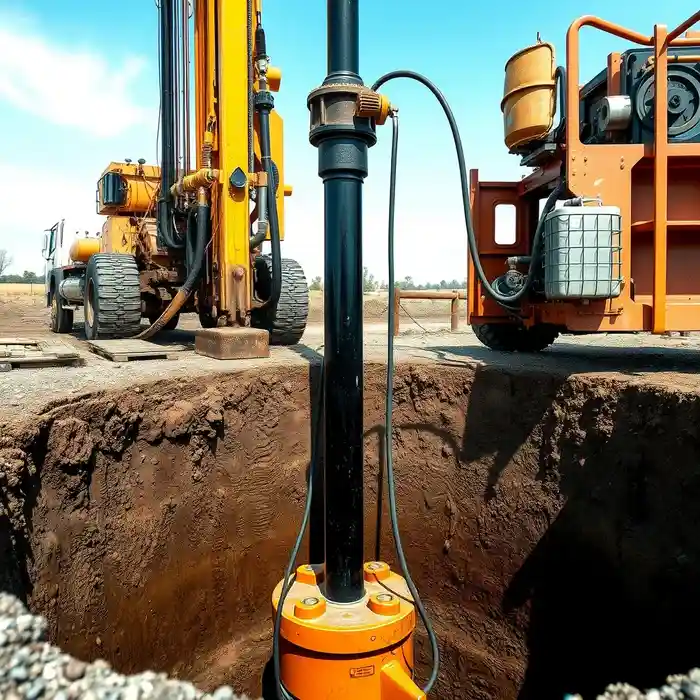
Methodology
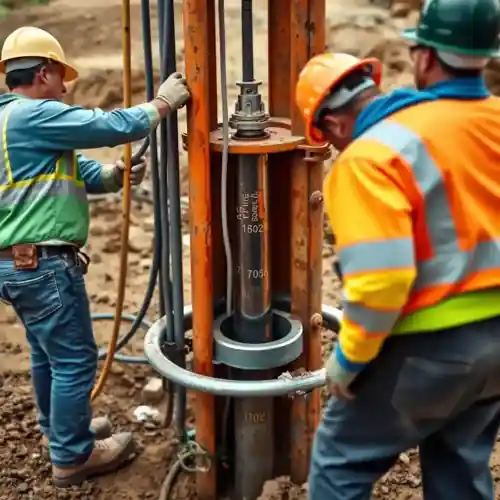
Our approach in Oklahoma City begins with a thorough evaluation of the project's water needs and a review of existing well logs and geological survey data from the area. We then proceed with site-specific planning, which includes determining the optimal drilling method—often rotary or cable tool—based on the target formation's depth and hardness. The actual water well drilling process is meticulously managed, with continuous monitoring of drill cuttings to confirm the geological sequence. Upon reaching the aquifer, we properly case and develop the well to maximize yield and ensure long-term integrity, concluding with a pump test to verify sustainable capacity.
Reference Technical Parameters
| Parameter | Reference Value |
|---|---|
| Predominant Soil Type | Clay, Sandstone, and Shale (Redbed formations) |
| Bedrock Depth | Surface to 100 ft (highly variable) |
| Typical Groundwater Level | 50 - 300 ft below surface |
| Maximum Seismic Acceleration (PGA) | Site-specific, per USGS seismic hazard maps |
| Typical Target Aquifer | Garber-Wellington Sandstone |
Local Considerations — Oklahoma City
1. **Geology & Aquifers**: The primary source is the Garber-Wellington aquifer (Central Oklahoma Aquifer), a sequence of sandstone and shale. Drilling must often penetrate the Permian-age bedrock, which can be challenging. 2. **Water Table Depth**: Highly variable, from shallow levels in river valleys to over 300 feet deep in upland areas, necessitating precise pre-drilling assessment. 3. **Seismic Activity**: Located in a seismically active zone, well design and casing must consider potential ground movement, especially for deeper installations. 4. **Urban vs. Rural Contrast**: In rural parts of Oklahoma County, wells are often for agricultural use, while in expanding suburban areas, they serve residential properties not served by city water. 5. **Typical Case**: A common project involves drilling through redbed clays and sandstones to reach the freshwater saturated zone of the Garber-Wellington, requiring a detailed hydrogeological survey for accurate targeting. For complex projects in major metropolitan hubs, learn about our water well drilling services from our Houston team.
Request a Quote
Our team reviews your project and issues an initial report at no cost.
Or write us directly at [email protected]
Services in Oklahoma City
Applicable Standards
- Oklahoma Water Resources Board (OWRB) Rules
- Oklahoma Department of Environmental Quality (DEQ) Standards
- Local County Health Department Regulations
Frequently Asked Questions
What are the main soil and rock challenges for drilling a water well in Oklahoma City?
The primary challenge is the Permian-age redbed sequence, consisting of interbedded sandstone, shale, and clay. These formations can be hard and abrasive, requiring appropriate drilling bits and methods. Additionally, careful sealing between different water-bearing zones is crucial to prevent inter-aquifer contamination and comply with OWRB standards.
How does Oklahoma's seismic activity influence well construction?
Seismic activity necessitates robust well construction to prevent casing collapse or shearing. This often means using higher-grade casing materials, ensuring proper cementing and grouting to stabilize the borehole, and designing the well to accommodate minor ground shifts without compromising its integrity or water quality.
Is a hydrogeological study mandatory before drilling a water well here?
While not always mandated by the OWRB for single-family domestic wells, a professional hydrogeological study is highly recommended, especially for commercial, agricultural, or high-yield wells. It is critical for identifying the correct aquifer, estimating sustainable yield, and ensuring the well's design meets all regulatory requirements for protection of groundwater resources.