Methodology
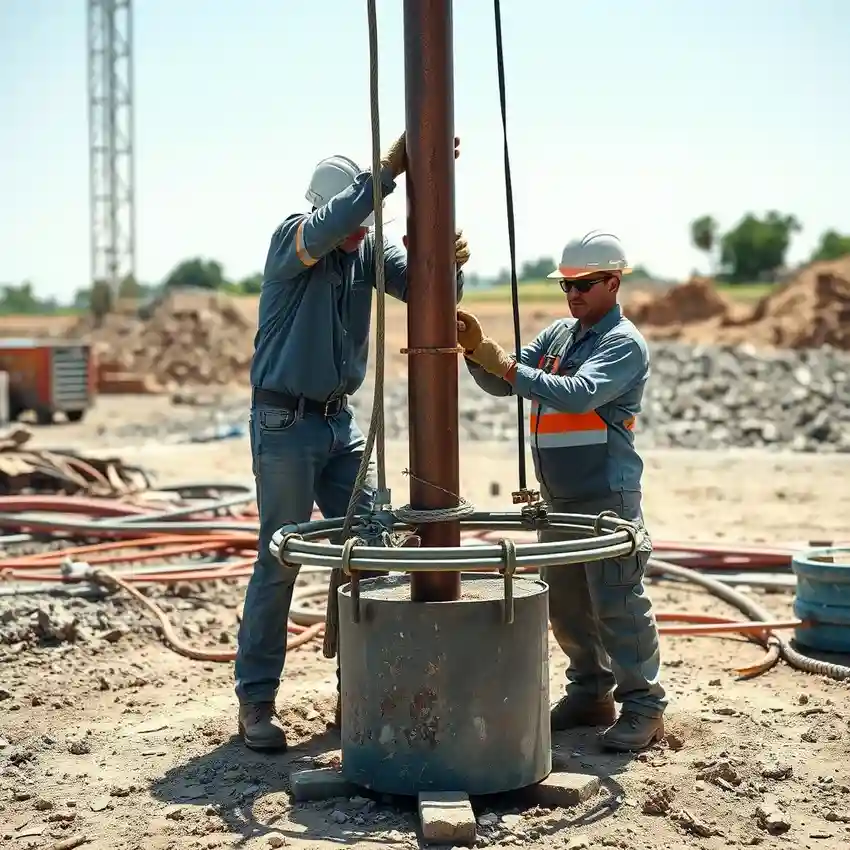
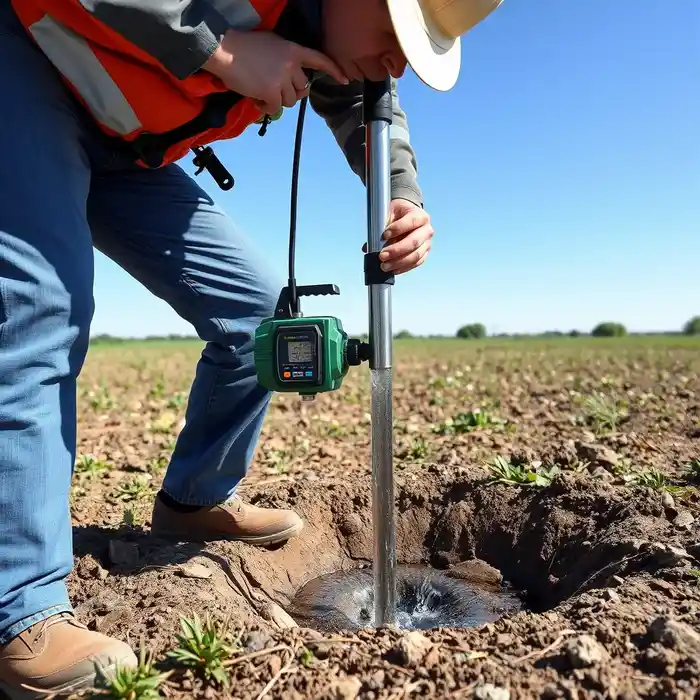
Our approach in Jackson begins with a thorough assessment of the site's suitability, considering the overlying soil conditions and the depth to the water-bearing sands of the Cockfield Formation. We employ rotary drilling techniques suitable for the unconsolidated sediments, ensuring proper well construction and development to maximize yield and longevity. This foundational work is essential for any subsequent water well drilling project to be successful and compliant.
Reference Technical Parameters
| Parameter | Reference Value |
|---|---|
| Predominant Soil Type | Yazoo Clay, Loess |
| Typical Bedrock Depth | Not Encountered in Typical Well Depths |
| Primary Aquifer | Cockfield Formation |
| Typical Well Depth Range | 100 - 400 ft |
| General Water Quality | Fresh, Iron Content Common |
Local Considerations — Jackson Mississippi
1. **Geology & Aquifers**: Jackson sits atop the Cockfield Formation, a primary water source, with the deeper Sparta Sand aquifer also accessible. Understanding the confining layers is key. 2. **Soil & Overburden**: The area features Yazoo clay and loess soils, which can present stability challenges during drilling and require specific pump installation considerations. 3. **Water Table Depth**: The water table is relatively shallow but can fluctuate seasonally, impacting well design. 4. **Urban vs. Rural Contrast**: In older urban areas, potential legacy contaminants necessitate careful siting, whereas rural parcels offer more flexibility but require longer supply lines. 5. **Typical Case**: A common project involves penetrating 100-200 feet of clay and sand to reach the Cockfield aquifer, requiring robust casing through the unstable surface layers. For complex projects in major metropolitan hubs, our team also provides comprehensive water well drilling services from our Houston office.
Request a Quote
Our team reviews your project and issues an initial report at no cost.
Or write us directly at [email protected]
Services in Jackson Mississippi
Applicable Standards
- Mississippi Department of Environmental Quality (MDEQ) Well Construction Code
- Safe Drinking Water Act (SDWA) Standards
- Local Jackson Municipal Codes
Frequently Asked Questions
What are the main soil and geological challenges for drilling a water well in Jackson, MS?
The primary challenges involve drilling through the thick, unstable Yazoo clay and loess deposits that overlie the aquifer. These soils are prone to caving and require careful drilling fluid management and proper well casing to ensure a stable, long-lasting well construction that protects the groundwater source.
What regulations govern water well drilling in Jackson?
All water well drilling is regulated by the Mississippi Department of Environmental Quality (MDEQ), which sets standards for construction, setback distances, and sealing to prevent contamination. Contractors must be licensed by the state. Additionally, the City of Jackson may have local ordinances regarding permits.
Is a hydrogeological study required before drilling a well in Jackson?
While not always legally mandated for a single residential well, a professional [hydrogeological survey](/hydrogeological-survey/) is highly recommended. It evaluates the local aquifer characteristics, estimates sustainable yield, identifies optimal drilling locations, and assesses potential water quality issues, ensuring a more reliable and efficient water supply system.