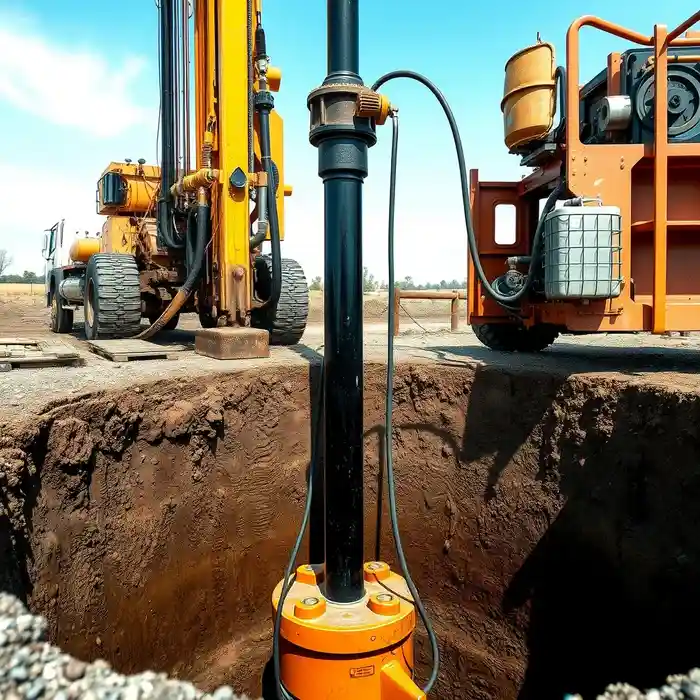
Methodology
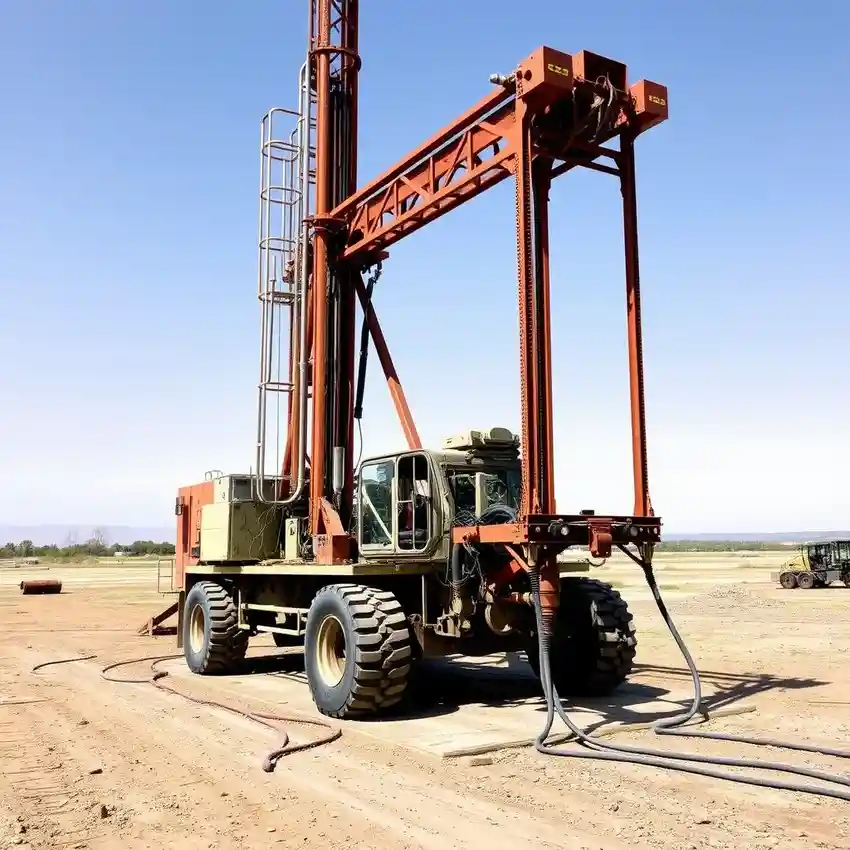
Our approach to water well drilling in New Orleans begins with a thorough understanding of the site-specific subsurface conditions. We prioritize a phased strategy that assesses local geology, identifies the target aquifer—often the "Norco" or deeper "700-foot" sands—and designs the well to mitigate risks like sanding or saltwater encroachment. This process ensures the structural integrity of the well and protects the aquifer's quality. For a detailed breakdown of our technical process, please refer to our dedicated page on water well drilling.
Reference Technical Parameters
| Parameter | Reference Value |
|---|---|
| Predominant Soil Type | Soft to medium clays and silty sands |
| Maximum Seismic Acceleration (PGA) | 0.1g - 0.2g (Site Class D) |
| Typical Groundwater Level | 1 - 5 meters below ground surface |
| Bedrock Depth | Greater than 300 meters (Coastal Plain sediments) |
| Typical SPT N60 Range (Upper 10m) | 2 - 15 blows/foot |
Local Considerations — New Orleans
New Orleans presents distinct challenges for groundwater development. The geology consists of interbedded sands, clays, and silts deposited by the Mississippi River, with water tables often within 10 feet of the surface in low-lying areas. Seismic activity, while moderate, requires consideration of liquefaction potential in saturated, loose sands. Conditions vary significantly; the higher ground of the "West Bank" or Gentilly Ridge offers more stable drilling compared to the soft soils of Lakeview or the East. A critical first step for any project is a comprehensive hydrogeological survey to define aquifer depth and water quality. Given the regional expertise required, many complex industrial projects in the Gulf South are supported by our specialized team for water well drilling in Houston, which handles similar coastal plain challenges.
Request a Quote
Our team reviews your project and issues an initial report at no cost.
Or write us directly at [email protected]
Services in New Orleans
Applicable Standards
- Louisiana Administrative Code (LAC) Title 43, Part XVII
- Safe Drinking Water Act (SDWA)
- Local Parish Well Construction Ordinances
Frequently Asked Questions
What soil conditions are most challenging for water well drilling in New Orleans?
The most challenging conditions are encountered in very soft, compressible organic clays and loose, saturated sands. These layers can cause borehole instability during drilling and may lead to sand pumping if not properly filtered. Identifying and sealing off these problematic zones is a standard part of our well design protocol for the area.
Are there specific seismic design considerations for wells here?
While high-magnitude earthquakes are less frequent, the region is seismically active. The primary risk is liquefaction of loose, water-saturated sands during ground shaking, which can compromise well casing integrity. Our designs consider soil site class and potential liquefaction zones to ensure long-term stability.
Is a hydrogeological study mandatory before drilling a water well in New Orleans?
While not always mandated by code for every residential well, a professional hydrogeological survey is highly recommended and often required for commercial projects or in areas with known water quality issues. It is the only reliable method to determine optimal well placement, depth, and to assess the risk of saltwater intrusion, which is a prevalent concern in coastal parishes.