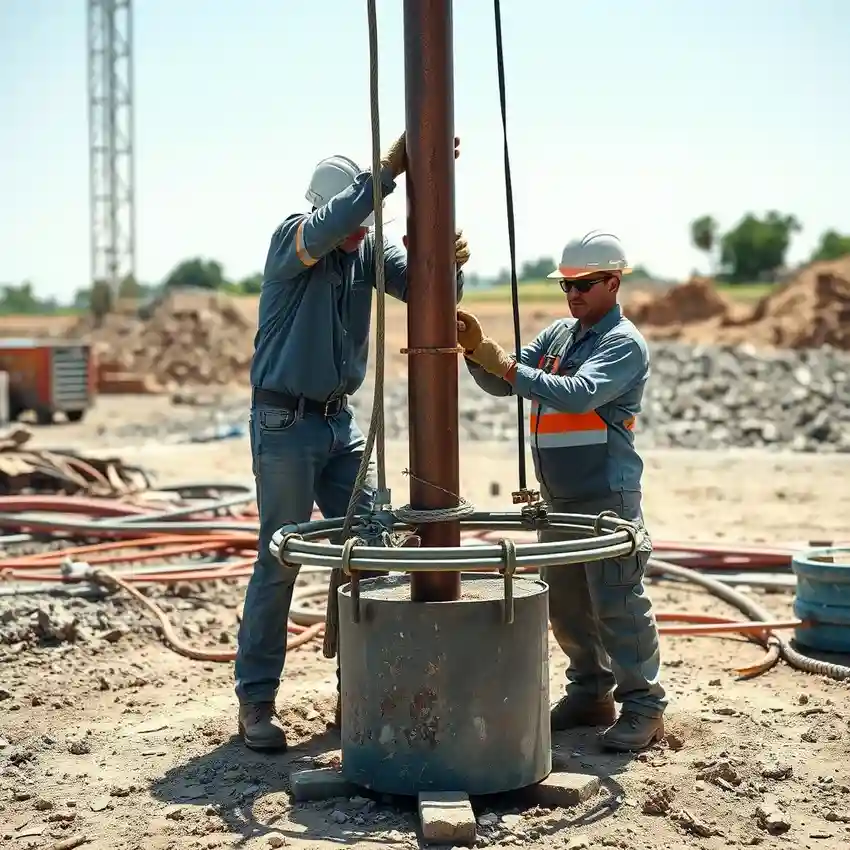
Methodology
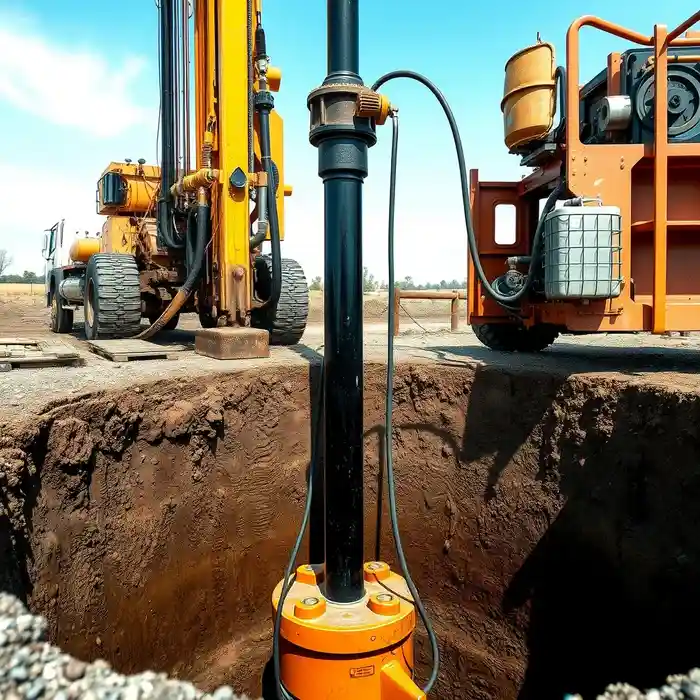
Our approach in League City begins with a comprehensive site assessment to understand the specific subsurface conditions. This informs the strategic planning for the water well drilling process, where we select appropriate techniques—such as rotary or cable tool—based on anticipated soil strata and target aquifer depth. We meticulously log drilling parameters and collect formation samples. Following construction, the well is properly developed to maximize yield and water clarity, culminating in a standardized pump test to accurately determine the sustainable capacity of the water source.
Reference Technical Parameters
| Parameter | Reference Value |
|---|---|
| Predominant Soil Type | Clay, Sand, and Silt sequences |
| Maximum Seismic Acceleration (PGA) | As per local seismic hazard maps |
| Typical Groundwater Level | Variable, depth influenced by proximity to coast |
| Bedrock Depth | Significant depth, within the Gulf Coast sedimentary basin |
| Local Aquifer System | Gulf Coast Aquifer |
Local Considerations — League City
League City's geology presents unique challenges for water well development. The area overlies the Gulf Coast Aquifer, with water quality and depth varying significantly. Near-surface layers often consist of expansive clays and loose sands, requiring careful casing and sealing practices to prevent well collapse and surface contamination. Seismic activity, though moderate, is a design consideration for wellhead integrity. Water table depth can fluctuate, particularly in coastal-influenced areas, and development in different neighborhoods must account for variable soil permeability. For accurate pre-construction analysis, a detailed hydrogeological survey is highly recommended. For major regional projects, our primary hub provides extensive support for water well drilling services from our Houston office.
Request a Quote
Our team reviews your project and issues an initial report at no cost.
Or write us directly at [email protected]
Services in League City
Applicable Standards
- Texas Water Code
- Local Groundwater Conservation District Rules
- Texas Department of Licensing and Regulation (TDLR) standards for well constructors
Frequently Asked Questions
What are the common soil types encountered during well drilling in League City?
The subsurface profile in League City typically includes layers of expansive clay, loose to medium-dense sand, and silt. These coastal plain sediments are part of the Gulf Coast geologic province. The presence of clay requires careful well development to achieve clear water, while sandy layers are often the primary water-bearing zones but necessitate proper screen selection to prevent sand intrusion.
Are there specific seismic design considerations for water wells in this area?
While not in a high seismic zone like the West Coast, League City is subject to seismic design provisions based on regional hazard maps. Well design considers potential ground shaking, particularly for the wellhead assembly and any above-ground infrastructure, to ensure system integrity during a seismic event as part of a resilient water supply design.
Is a hydrogeological study mandatory before drilling a water well in League City?
While not always mandated by code for single residential wells, a professional hydrogeological study is strongly advised. It is crucial for determining optimal well placement, predicting water yield and quality, navigating permitting requirements with the local Groundwater Conservation District, and ensuring the long-term reliability and legality of your groundwater source.