Methodology
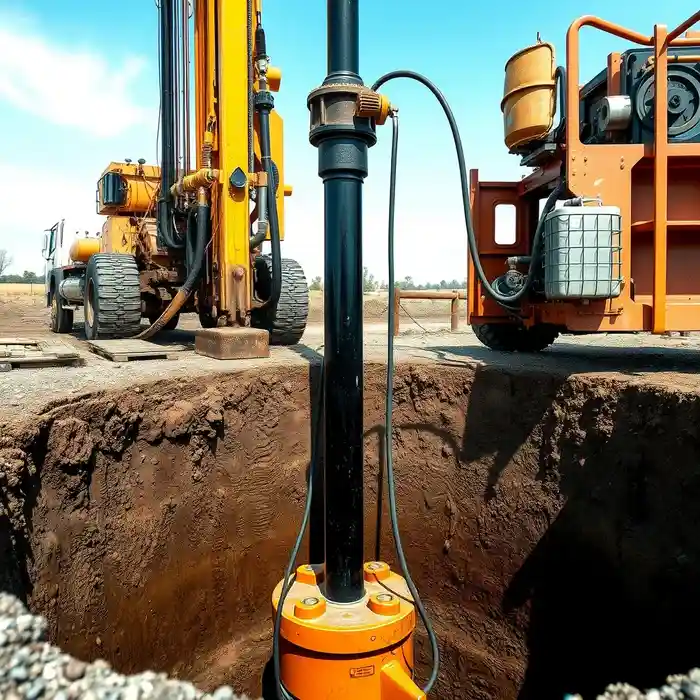
Our methodology for projects in Shreveport begins with a comprehensive review of existing geological survey data and local well logs to understand subsurface conditions. We then employ rotary or percussion drilling techniques suited to the unconsolidated sands, clays, and gravels common to the region. Precise well construction, including proper casing and screen selection based on soil analysis, is critical to prevent sand intrusion and ensure long-term viability. Each project follows a disciplined process, from site selection to final development, to deliver a reliable water source. For a detailed breakdown of our techniques, see our page on water well drilling.
Reference Technical Parameters
| Parameter | Reference Value |
|---|---|
| Predominant Soil Type | Unconsolidated sands, clays, and gravels |
| Typical Groundwater Level | 50 - 200 ft below surface |
| Primary Aquifer | Carrizo-Wilcox and Sparta formations |
| Bedrock Depth | Variable, often several hundred feet |
| Typical Well Casing Diameter | 4" - 8" |
Local Considerations — Shreveport
Shreveport's geology presents distinct considerations for water well drilling. The area overlies the Carrizo-Wilcox aquifer, a major water-bearing unit consisting of alternating layers of sand, clay, and lignite. Water quality can vary with depth, sometimes requiring treatment for iron or hardness. While not in a high seismic zone, proper well construction is essential for durability. In older neighborhoods with established wells, understanding the local water table history is key for new installations. For properties requiring precise aquifer characterization before drilling, a hydrogeological survey is often recommended. Furthermore, for complex regional projects or specialized expertise, our team leverages experience from major operations like our water well drilling services based in Houston.
Request a Quote
Our team reviews your project and issues an initial report at no cost.
Or write us directly at [email protected]
Services in Shreveport
Applicable Standards
- Louisiana Department of Natural Resources (LDNR) regulations
- Local parish water well construction codes
- EPA Underground Injection Control (UIC) guidelines for Class V wells
Frequently Asked Questions
What are the main soil types encountered during water well drilling in Shreveport?
The subsurface in the Shreveport area is predominantly composed of unconsolidated sedimentary deposits. Drillers typically sequence through layers of sand, silt, clay, and gravel belonging to the Tertiary and Quaternary age formations. These layers overlie the water-bearing sands of the Carrizo-Wilcox aquifer. Understanding this stratigraphy is crucial for proper well screen placement and filter pack design to ensure well efficiency and longevity.
Are there specific seismic design considerations for water wells in Shreveport?
Shreveport is located in a region of low to moderate seismic risk. While not subject to the stringent seismic design categories of coastal or western states, prudent engineering practice for well construction includes ensuring robust casing connections and proper grouting to maintain well integrity under any minor ground movement. Compliance with general state well construction standards adequately addresses these considerations.
Is a hydrogeological study required before drilling a water well in Shreveport?
While not always mandatory for a single residential well, a professional hydrogeological survey is highly recommended. It assesses the aquifer's yield, water quality at the target depth, and identifies potential contamination risks. For commercial, agricultural, or municipal wells, or in areas with known water level declines, such a study is often essential for permitting and ensuring a sustainable water supply.