Methodology
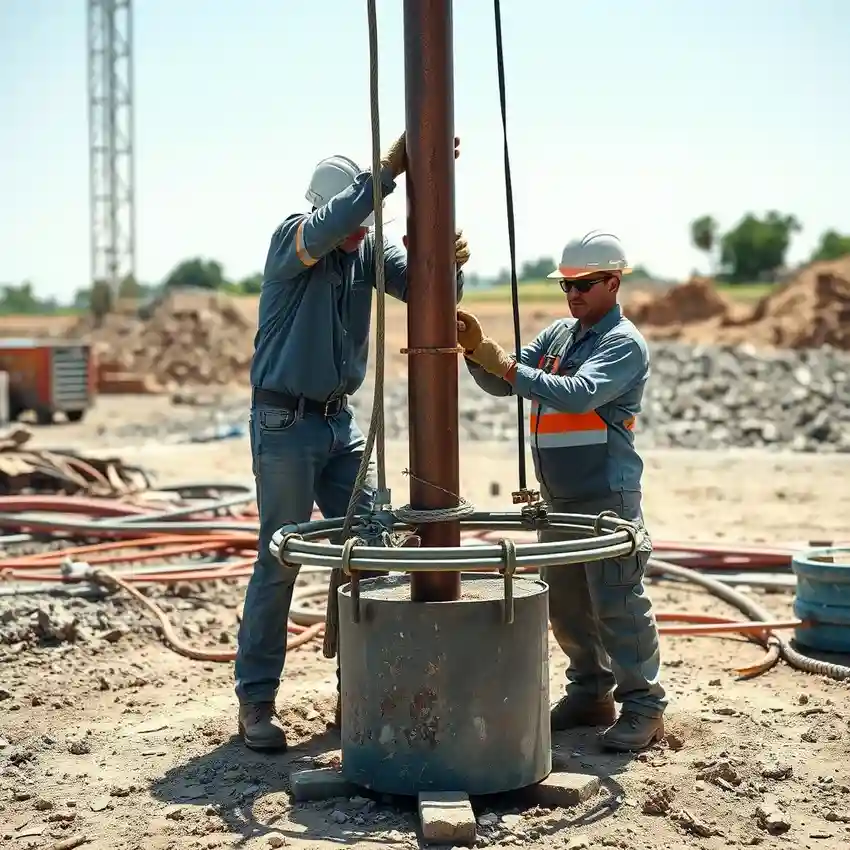
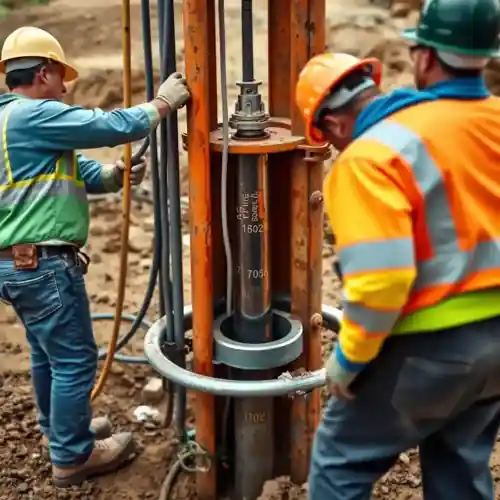
Our approach in San Antonio begins with a thorough review of existing geological surveys and water level data from the Edwards Aquifer Authority. We then conduct a site-specific assessment to identify the optimal drilling location, prioritizing areas with the highest potential for sustainable freshwater yield. The actual water well drilling process is tailored to the local geology, often involving rotary drilling techniques to penetrate the limestone and dolomite of the Edwards formation. Throughout drilling, we continuously log formation samples and monitor water quality parameters to ensure we target the correct aquifer zone.
Reference Technical Parameters
| Parameter | Reference Value |
|---|---|
| Predominant Aquifer Type | Karstic limestone (Edwards Aquifer) |
| Typical Bedrock Depth | Variable, surface to 100+ ft in recharge zone |
| Maximum Seismic Acceleration (PGA) | 0.10g - 0.15g (Site Class D) |
| Typical Groundwater Level Fluctuation | Seasonal, 10-50 ft depending on zone |
| Key Constraining Layer | Del Rio Clay |
Local Considerations — San Antonio
San Antonio's groundwater landscape is dominated by the karstic Edwards Aquifer, characterized by highly variable permeability and the ever-present risk of saline water intrusion at greater depths. The static water level can fluctuate significantly with regional drought conditions. Seismic activity, while moderate, requires adherence to robust construction standards. The contrast between the recharge and artesian zones of the aquifer dictates different drilling strategies. A common scenario involves navigating through the Georgetown and Del Rio clay layers before reaching the productive Edwards limestone, a process where our expertise in hydrogeological survey is essential. For large-scale or complex projects, our primary team's experience with water well drilling services from our Houston hub provides additional technical depth.
Request a Quote
Our team reviews your project and issues an initial report at no cost.
Or write us directly at [email protected]
Services in San Antonio
Applicable Standards
- Texas Water Code
- Edwards Aquifer Authority Rules
- Texas Commission on Environmental Quality (TCEQ) Standards
Frequently Asked Questions
What is the most important geological consideration for drilling a water well in San Antonio?
The primary consideration is accurately identifying your location within the Edwards Aquifer system—whether in the recharge, artesian, or bad-water zone. Drilling depth and screen placement must be carefully planned to maximize freshwater yield while avoiding the saline water interface, which requires detailed pre-drilling analysis.
Are there specific seismic design requirements for water wells in this area?
While not as stringent as in high-seismicity zones, San Antonio is subject to building codes that account for seismic risk. Well casing and construction methods must be designed to maintain integrity under potential ground motion, especially important given the karstic and sometimes unstable nature of the limestone formation.
Is a hydrogeological study mandatory before drilling a well in San Antonio?
While not always legally mandatory for every single-family well, a professional hydrogeological study is highly recommended and is often required by the Edwards Aquifer Authority for larger withdrawals. It is a critical step for ensuring well productivity, legal compliance, and long-term water quality, preventing costly mistakes.