Methodology
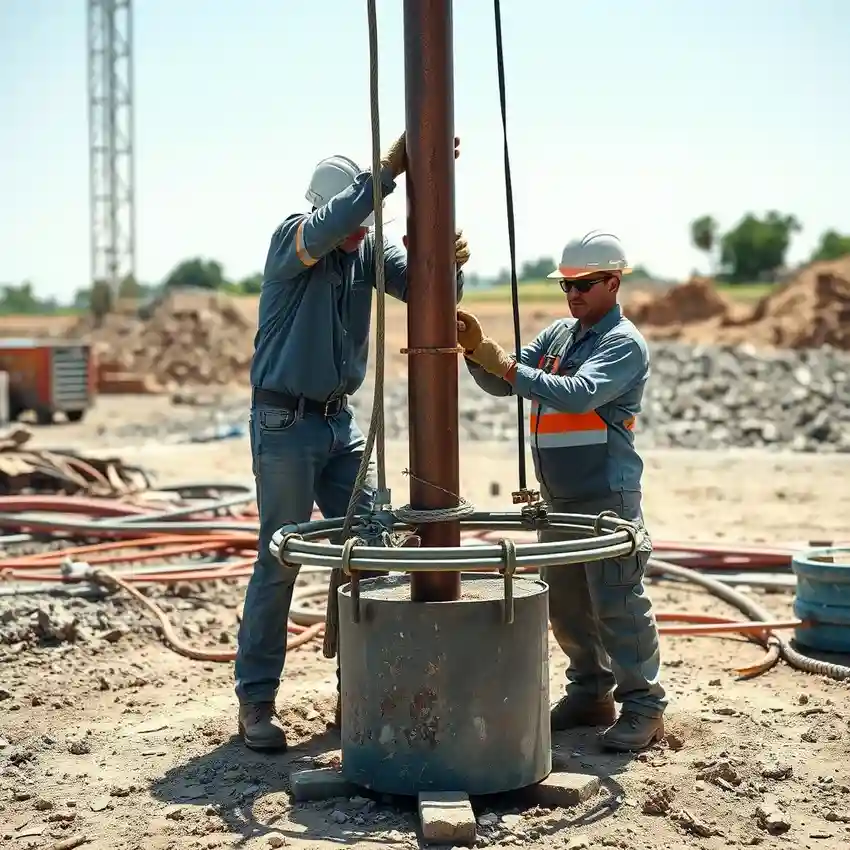
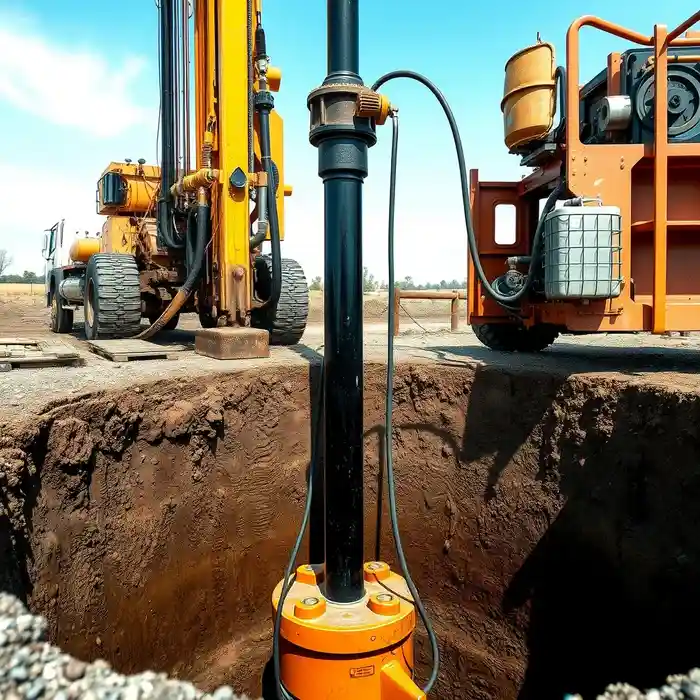
Our approach in Concord begins with a thorough site evaluation to understand the subsurface conditions, which is a critical precursor to any water well drilling operation. We analyze geological maps, historical well data, and local hydrology to identify the most promising target zones within the heterogeneous alluvial sequences. The drilling process is then meticulously planned, selecting appropriate techniques—such as rotary or cable tool—based on the anticipated soil and rock layers, from the unconsolidated valley fill down to the more consolidated sedimentary formations. Continuous monitoring during drilling allows for real-time adjustments to ensure well integrity and optimal screen placement for maximum yield.
Reference Technical Parameters
| Parameter | Reference Value |
|---|---|
| Predominant Soil Type | Interbedded Alluvial Clay, Silt, Sand & Gravel |
| Typical Groundwater Level | Variable, 15 - 100 ft below surface |
| Bedrock Depth (Sedimentary) | 50 - 300 ft, highly variable |
| Maximum Seismic Acceleration (PGA) | 0.4g - 0.6g (Site-Specific) |
| Typical SPT N60 Value Range | 5 - 50 (Very Loose to Dense) |
Local Considerations — Concord California
1. **Geology & Hydrogeology**: Concord sits within the Livermore Valley groundwater basin, characterized by complex interbedded layers of clay, silt, sand, and gravel from alluvial fans emanating from the Mount Diablo range. Groundwater levels can vary significantly, influenced by seasonal recharge and local pumping. 2. **Seismic Activity**: Located in a seismically active region, well design must account for potential liquefaction in saturated, loose granular soils, requiring robust construction standards. 3. **Urban vs. Foothill Contrast**: Properties in the central valley often encounter deeper water tables and finer-grained sediments, while foothill sites may have shallower bedrock and more variable water quality, necessitating a tailored hydrogeological survey for accurate assessment. 4. **Typical Projects**: Common scenarios include supplementing municipal water for irrigation in residential properties or providing primary supply for rural estates, where understanding the local aquifer characteristics is paramount. 5. **Regional Context**: While we serve Concord directly, our expertise is anchored in broader regional experience, including major projects managed through our water well drilling team based in Los Angeles.
Request a Quote
Our team reviews your project and issues an initial report at no cost.
Or write us directly at [email protected]
Services in Concord California
Applicable Standards
- California Water Code
- Contra Costa County Environmental Health Regulations
- Local Groundwater Management Plans
- State Well Standards (Bulletin 74)
Frequently Asked Questions
What are the main soil challenges for water well drilling in Concord?
The primary challenge is heterogeneity. Drilling can rapidly transition from soft clays and silts to dense sands and gravels within the alluvial fan deposits, impacting drilling speed and tool selection. The presence of loose, saturated sands also raises liquefaction concerns during seismic events, influencing well casing and grouting design to ensure long-term stability.
Are there specific seismic codes that affect well construction here?
While there is no specific seismic code solely for water wells, construction must consider the regional seismic hazard. Well design implicitly addresses these risks by specifying casing materials, depths, and grouting procedures that prevent collapse or contamination during ground shaking, adhering to robust engineering principles expected in high seismic zones like the East Bay.
Is a hydrogeological study mandatory before drilling a well in Concord?
While not always mandated by the county for single-family domestic wells, a professional hydrogeological study is highly recommended and often required for larger-capacity wells. It is a critical step to determine the optimal location, depth, and yield potential, ensuring the well does not interfere with neighboring wells and is constructed in a sustainable manner within the local aquifer system.