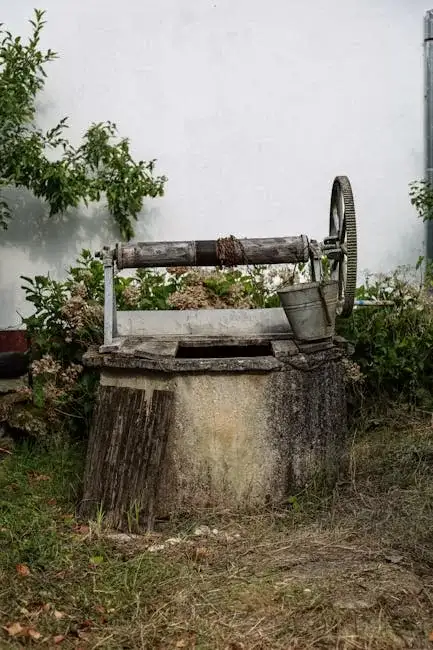
Methodology
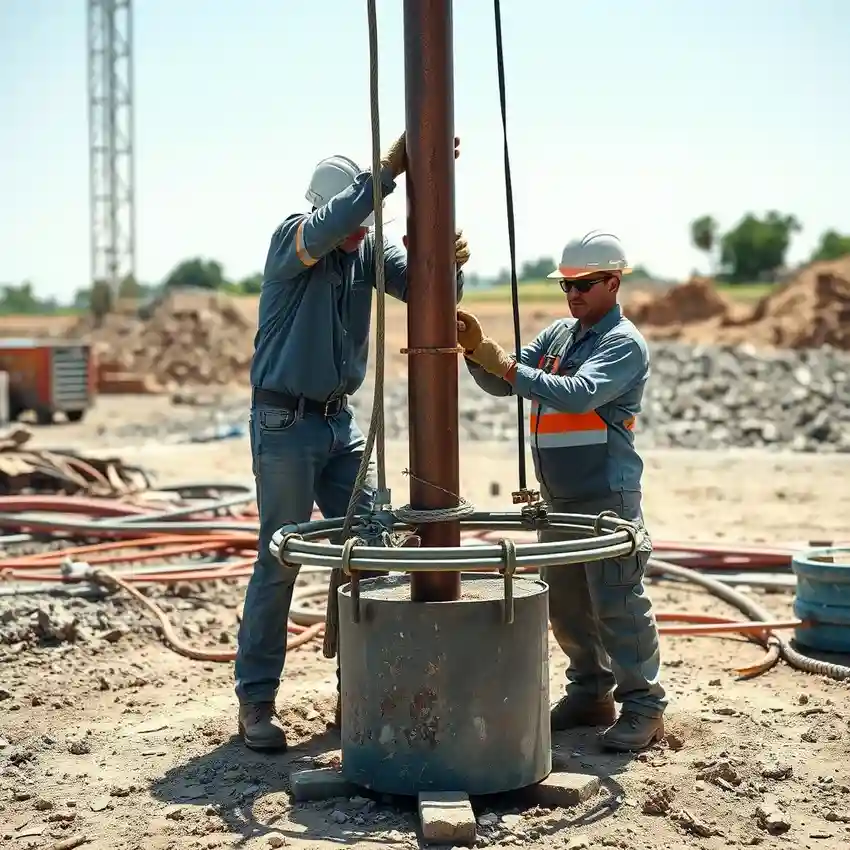
Our approach in Garden Grove involves a preliminary assessment of the site's specific context before any drilling commences. This includes reviewing existing geological surveys and water rights documentation pertinent to the area. The subsequent water well drilling phase is carefully planned to account for the variable soil strata, from loose sands to more cohesive layers, ensuring proper well construction and casing to prevent collapse and contamination, ultimately aiming for a sustainable and compliant water source.
Reference Technical Parameters
| Parameter | Reference Value |
|---|---|
| Predominant Soil Type | Alluvial Sands and Silts |
| Maximum Seismic Acceleration (PGA) | 0.4g - 0.6g (Zone 4, CBC) |
| Typical Groundwater Level | Variable, 50 - 150 ft below surface |
| Bedrock Depth | Generally > 200 ft |
| Typical SPT N60 Value | 10 - 30 (medium dense to dense sands) |
Local Considerations — Garden Grove
Garden Grove's geology is characterized by deep alluvial deposits from the Santa Ana River basin, influencing groundwater availability. The water table depth can vary significantly, often requiring deeper drilling in central areas compared to peripheral zones. High seismic activity in the region necessitates well designs that account for liquefaction potential in sandy soils. Contrasts between older, established neighborhoods and newer developments may affect underground utility layouts and permissible drilling locations. A typical scenario involves navigating dense urban infrastructure while conducting a hydrogeological survey to accurately locate a viable aquifer, a challenge also common in larger metropolitan projects like water well drilling services in Los Angeles.
Request a Quote
Our team reviews your project and issues an initial report at no cost.
Or write us directly at [email protected]
Services in Garden Grove
Applicable Standards
- California Water Code
- Orange County Groundwater Management Ordinance
- California Building Code (CBC) Seismic Provisions
- Local Garden Grove Municipal Code
Frequently Asked Questions
What are the common soil challenges for water well drilling in Garden Grove?
The primary challenges relate to the unconsolidated alluvial soils, which include loose sands with potential for liquefaction during seismic events and interbedded silts that can cause caving during drilling. These conditions require specific drilling techniques, careful well screen selection, and proper gravel pack design to ensure a stable and productive well.
How does local seismic regulation affect well construction?
Garden Grove falls into a high seismic hazard zone. Regulations require that well casings and seals be designed to withstand ground shaking and potential liquefaction to prevent well collapse and aquifer contamination. This often involves using specific grades of steel casing and implementing robust sanitary seals.
Is a hydrogeological study mandatory before drilling a well in Garden Grove?
While not always mandated by the city for every single-family residential well, a professional hydrogeological study is highly recommended and often required for larger capacity wells. It is critical for determining water availability, avoiding interference with neighboring wells, and ensuring the design is suitable for local soil and seismic conditions, which supports the permit application process.