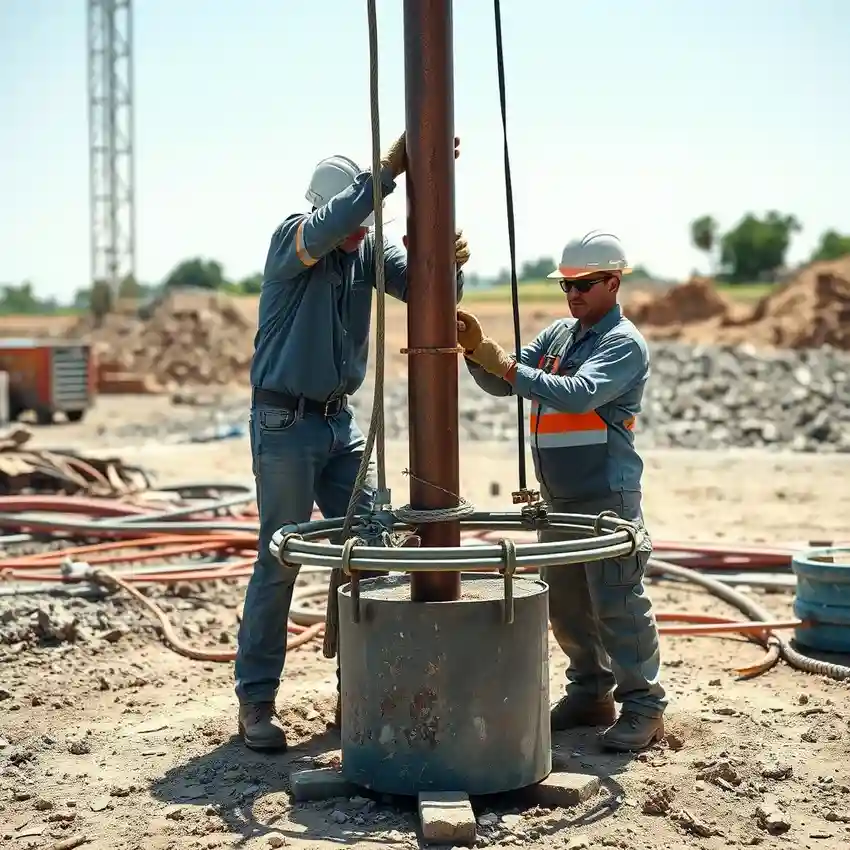
Methodology
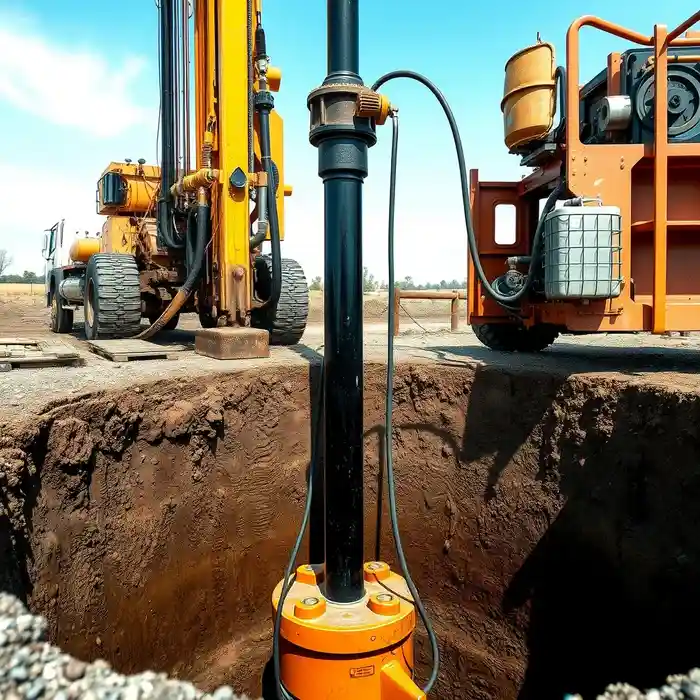
Our approach in Roseville begins with a thorough assessment of the site's specific context within the local hydrogeological framework. We analyze available data on the valley fill aquifers and underlying geologic formations to identify the most promising zones for water extraction. This foundational understanding guides our strategic water well drilling operations, ensuring each project is tailored to the unique subsurface conditions of the property, from the alluvial plains to the transitional foothill areas.
Reference Technical Parameters
| Parameter | Reference Value |
|---|---|
| Predominant Soil Type | Alluvial Deposits (Sands, Gravels, Silts) |
| Typical Groundwater Level | Variable, 20 - 100 ft below surface |
| Bedrock Depth | Highly Variable, 30 - 200+ ft |
| Seismic Design Category | Category D (per CBC) |
| Typical Aquifer Material | Unconsolidated Sand and Gravel |
Local Considerations — Roseville California
1. **Geology & Aquifers**: Roseville sits on the western edge of the Sierra Nevada foothills, overlying complex alluvial fan deposits from local creeks. These unconsolidated materials form the primary aquifers, with productivity highly dependent on the grain size and sorting of the sediments. 2. **Groundwater Depth**: The water table is generally shallower in the western parts of the city and deepens significantly towards the east as topography rises. 3. **Seismic Context**: Located in a region of moderate seismic risk, well construction must consider potential liquefaction in saturated, loose sandy zones, making a proper hydrogeological survey critical for design. 4. **Neighborhood Contrast**: A well in a low-lying area near Dry Creek will have different characteristics and challenges than one in a higher elevation area near the Whitney Oaks community. 5. **Typical Cases**: Many residential and agricultural properties rely on these alluvial aquifers, requiring careful development to avoid sanding and ensure long-term performance. For large-scale regional projects, our primary operational hub for comprehensive water well drilling services from Los Angeles provides extensive support.
Request a Quote
Our team reviews your project and issues an initial report at no cost.
Or write us directly at [email protected]
Services in Roseville California
Applicable Standards
- California Water Code
- Placer County Well Standards
- State Water Resources Control Board Regulations
- California Building Code (CBC) Seismic Provisions
Frequently Asked Questions
What are the common soil and aquifer conditions for water wells in Roseville?
Roseville's groundwater is primarily accessed within alluvial fan deposits composed of layered sands, gravels, and silts. The productivity of a well depends heavily on intersecting coarse-grained, permeable layers within this heterogeneous sequence. The thickness and quality of these water-bearing zones can change over short distances.
How does seismic risk influence well construction here?
While not in the highest seismic zone, Roseville's building codes account for ground shaking. For wells, this emphasizes the importance of proper well casing installation and grouting to maintain integrity during seismic events, especially in areas with loose, saturated soils susceptible to settlement.
Is a hydrogeological study mandatory before drilling a well in Roseville?
While not always mandated by code for single residential wells, a professional hydrogeological study is highly recommended. It is crucial for identifying the appropriate depth and location to achieve a sustainable yield, ensuring well longevity, and complying with the sustainable groundwater management guidelines for the region.