Methodology
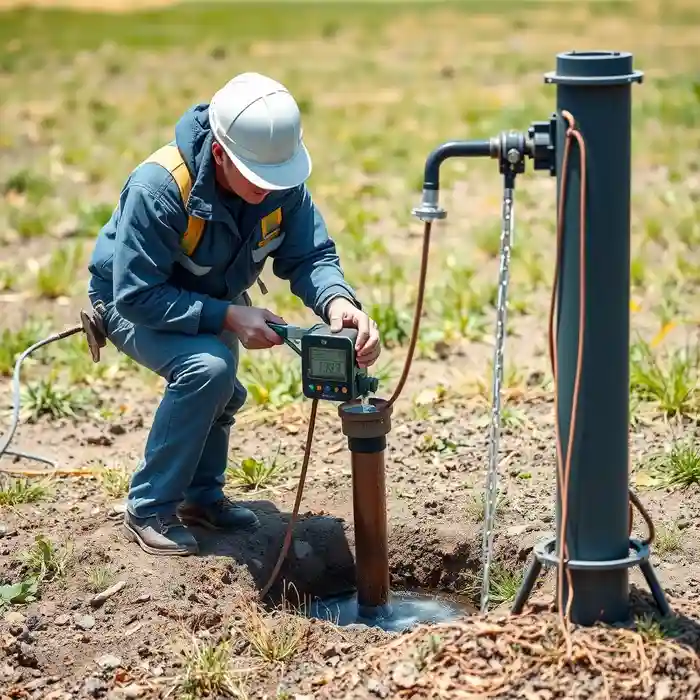
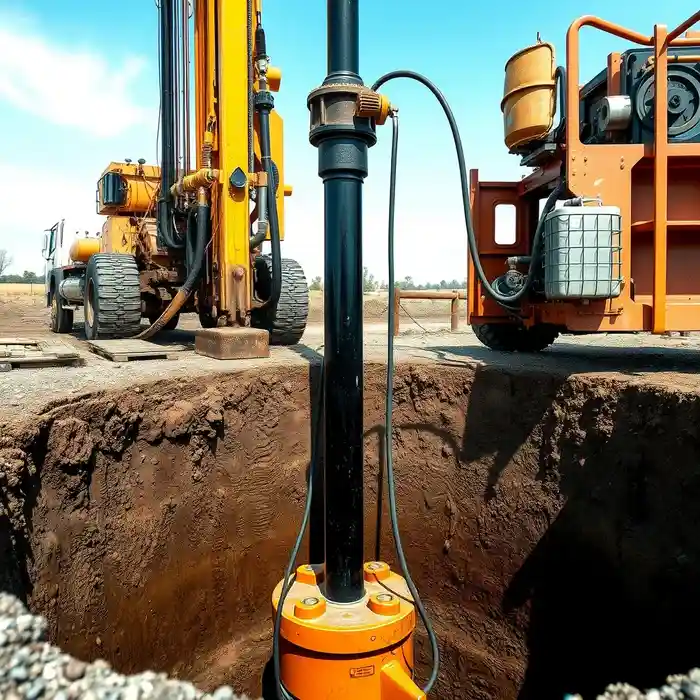
Our approach to water well drilling in Pasadena begins with a thorough assessment of local hydrogeological data and city zoning ordinances. We prioritize understanding the interface between alluvial aquifers and the underlying Franciscan complex bedrock. Site selection is critical, followed by drilling methods adapted to the expected formation—typically rotary for alluvium and air percussion for harder rock. The process includes careful well construction, development to maximize yield, and comprehensive documentation for permitting. For a detailed breakdown of our technical process, explore our page on water well drilling.
Reference Technical Parameters
| Parameter | Reference Value |
|---|---|
| Predominant Soil Type | Alluvial Silt & Sand (Valley); Decomposed Granite & Bedrock (Hills) |
| Maximum Seismic Acceleration (PGA) | 0.4g - 0.6g (Site-Specific) |
| Typical Groundwater Level | 50 - 300 ft below ground surface |
| Bedrock Depth | 20 - 100 ft (Highly Variable) |
| Typical SPT N60 Range | 10 - 50 (Alluvium); >50 (Bedrock) |
Local Considerations — Pasadena California
1. **Geology & Aquifers**: Pasadena overlies the Raymond Basin, with water-bearing alluvium in the valley and fractured meta-sedimentary rock in the hills. 2. **Groundwater Depth**: The water table is highly variable, from 50 feet in the Arroyo Seco to over 300 feet in elevated foothill parcels. 3. **Seismic Activity**: Located in a high seismic hazard zone, well design must account for liquefaction potential in alluvial areas and ground shaking. 4. **Neighborhood Contrast**: Wells in the Linda Vista area often encounter stable bedrock, whereas those in East Pasadena may tap into deeper alluvial sequences. 5. **Regulatory Context**: All projects require permits from the Los Angeles County Department of Public Health and must adhere to California's Sustainable Groundwater Management Act (SGMA). A preliminary hydrogeological survey is highly recommended to address these factors. For major regional projects, our central team provides extensive support for water well drilling in Los Angeles.
Request a Quote
Our team reviews your project and issues an initial report at no cost.
Or write us directly at [email protected]
Services in Pasadena California
Applicable Standards
- California Water Code
- Los Angeles County Well Standards
- Sustainable Groundwater Management Act (SGMA)
- Local Pasadena Municipal Code
Frequently Asked Questions
How does Pasadena's soil type affect well drilling?
Pasadena's valley soils are primarily alluvial sands and silts, which are generally easier to drill but require careful well screen design to prevent sand intrusion. The foothill soils consist of decomposed granite and hard bedrock, necessitating more robust drilling equipment and techniques to penetrate fractured zones that hold water.
What seismic regulations apply to water wells in Pasadena?
While the California Building Code (CBC) governs seismic design for structures, well construction in Pasadena must mitigate seismic risks through proper casing and grouting to prevent aquifer contamination during ground shaking. Designs often reference seismic zone parameters and may require specific materials to withstand liquefaction in alluvial areas.
Is a hydrogeological study mandatory before drilling a well in Pasadena?
While not always mandated by the city for single residential wells, a professional hydrogeological study is strongly advised. It is essential for determining optimal well location, depth, and sustainable yield, and is typically required by the County Department of Public Health for permitting commercial or high-yield wells.