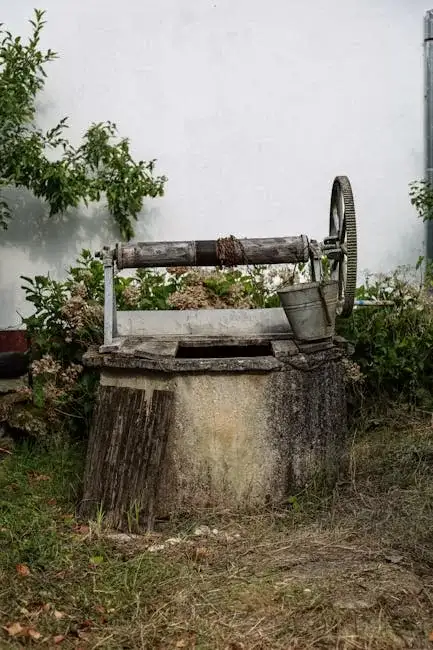
Methodology
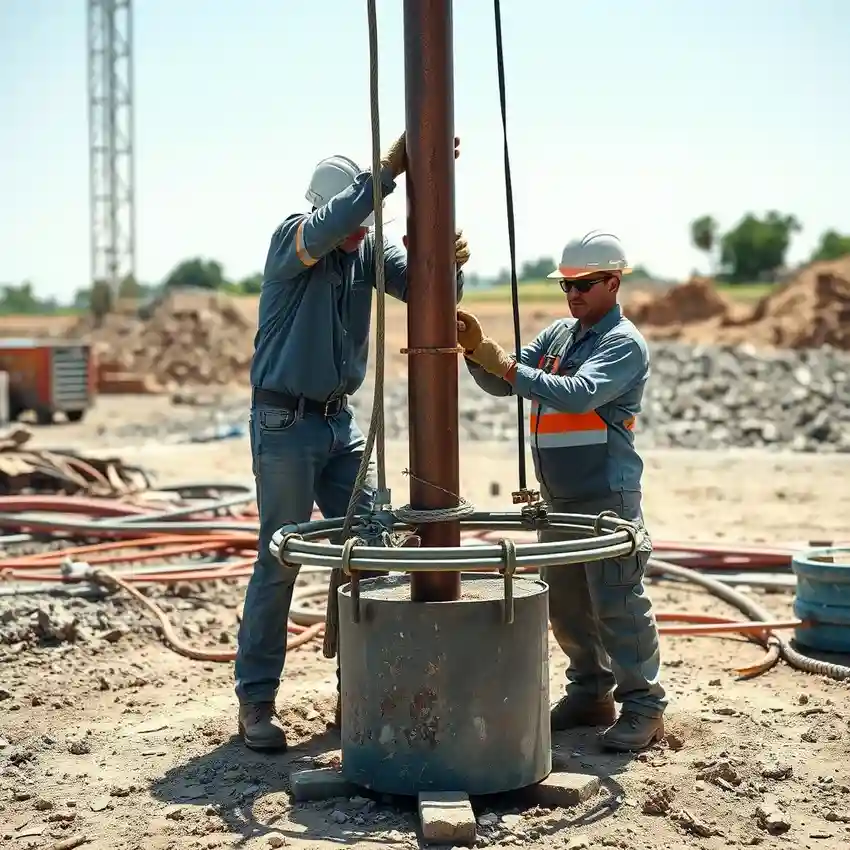
Our approach in Rancho Cucamonga begins with a thorough understanding of the local subsurface. We analyze historical well data and geologic maps of the alluvial fan systems emanating from the San Gabriel Mountains. This preliminary assessment guides our targeted water well drilling strategy. We prioritize methods suited to the variable grain sizes—from coarse cobbles near the mountain front to finer sands and clays further into the valley—to ensure efficient penetration and proper well construction that maximizes yield and longevity.
Reference Technical Parameters
| Parameter | Reference Value |
|---|---|
| Predominant Soil Type | Alluvial Fan Deposits (Gravel, Sand, Silt) |
| Typical Bedrock Depth | Variable, often 100 - 300+ ft below ground surface |
| Maximum Seismic Acceleration (PGA) | 0.4g - 0.6g (per USGS seismic design maps) |
| Typical Groundwater Level | Seasonally variable, 50 - 200 ft depth |
| Typical SPT N60 Value Range | Wide range, from <10 in loose fills to >50 in dense gravels |
Local Considerations — Rancho Cucamonga
1. **Geology & Aquifers**: The area is dominated by alluvial fan deposits from the San Gabriel Mountains, creating a complex, layered aquifer system with highly variable permeability. 2. **Groundwater Depth**: Water levels can fluctuate significantly, influenced by historical overdraft and managed recharge efforts in the Upper Santa Ana River Basin. 3. **Seismic Activity**: Located in a seismically active region, well design must account for liquefaction potential in saturated, loose granular soils, necessitating robust construction. 4. **Contrast by Area**: Well yields and depths differ markedly between the northern foothills (shallower, coarser materials) and the southern valley floor (deeper, finer sediments). 5. **Typical Projects**: We commonly address needs for supplemental irrigation water in vineyards and equestrian properties, as well as primary supply for rural residential estates, often coordinating with pump installation specialists. For major regional projects, our foundational work supports broader efforts, similar to our water well drilling services based in Los Angeles.
Request a Quote
Our team reviews your project and issues an initial report at no cost.
Or write us directly at [email protected]
Services in Rancho Cucamonga
Applicable Standards
- California Water Code
- Sustainable Groundwater Management Act (SGMA)
- San Bernardino County Code - Well Standards
- USGS Seismic Design Parameters
Frequently Asked Questions
How does the local geology in Rancho Cucamonga affect well drilling?
The alluvial fan geology results in unpredictable layers of coarse gravel, sand, and clay. This heterogeneity directly impacts drilling speed, tool selection, and well screen design. A successful project requires experience to correctly identify productive water-bearing zones (often coarse gravel lenses) and seal off unstable clay layers to prevent well collapse and siltation.
Are seismic design factors considered for water wells here?
Absolutely. Given the high seismic design category, well construction must mitigate risks like casing shear or sand intrusion due to liquefaction. This often influences the selection of casing materials, grouting procedures, and wellhead design to ensure structural integrity and water quality protection during a seismic event.
Is a hydrogeological study required before drilling a new well?
While not always mandated by code for every single-family property, a professional [hydrogeological survey](/hydrogeological-survey/) is highly recommended. It is critical for determining optimal location and depth to avoid interference with neighboring wells, to estimate sustainable yield, and to comply with the broader sustainability goals of the SGMA, which governs the local groundwater basin.